
A motorcycle can go down without ever touching another vehicle, but that does not automatically mean the rider caused the crash. Road defects, spilled cargo, loose gravel, mechanical failures, poor lighting, and another driver’s sudden movement can all contribute to single vehicle motorcycle crashes. In Charlotte, the first explanation recorded at the scene may change […]
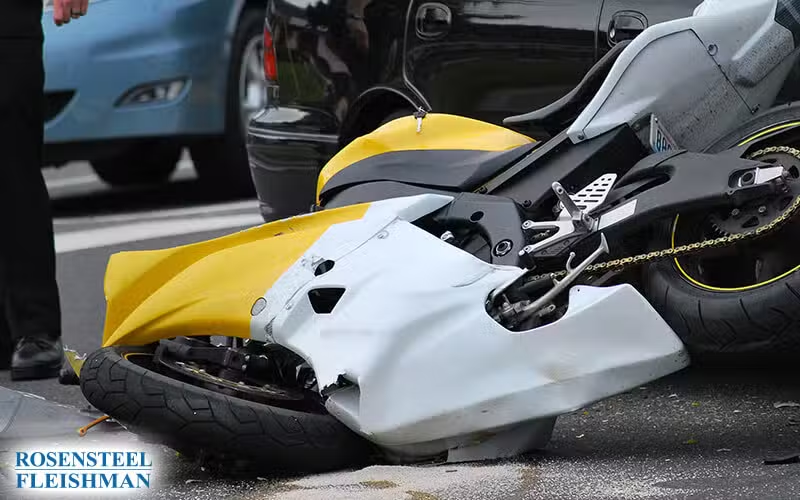

A motorcycle crash can be straightforward, but it can also require separate reconstruction of the motorcycle, rider, other vehicle, roadway, protective equipment, and medical sequence. General assumptions about riders or crash severity are not substitutes for evidence.
Motorcycle claims are not automatically complex, but two-wheeled dynamics, visibility, rider separation, protective equipment, exposed injury mechanisms, and motorcycle-specific policies can create distinct evidence questions.
The motorcycle and rider follow different paths
After the first contact or loss of control, the motorcycle may rotate, slide, tumble, or strike another object while the rider separates and follows a different path. Record each contact, mark, debris field, resting position, and secondary impact before assigning injury mechanism.
Visibility requires event-specific analysis
- Motorcycle size, position, lighting, conspicuity, approach angle, and background contrast
- Other vehicle mirrors, pillars, blind spots, windows, lighting, and obstructions
- Traffic density, queued vehicles, intersection geometry, weather, glare, and darkness
- The duration the motorcycle was observable and where each driver was looking
NHTSA describes size and visibility as important motorcycle safety considerations. That general fact does not establish that a particular driver could or could not see a particular motorcycle.
Road conditions and control inputs matter
Sand, gravel, fluid, metal plates, potholes, edge changes, drainage, construction, wind, and wet or icy surfaces can affect traction and stability. Preserve tire condition, braking, steering, suspension, throttle, drivetrain, anti-lock status, rider inputs, and alternative explanations.
Motorcycle damage needs careful interpretation
Scrapes, broken controls, bent components, tire marks, and post-crash disassembly may result from primary contact, the slide, secondary impact, towing, or storage. Document condition and custody before repair or destructive testing and avoid inferring a pre-impact defect solely from damaged parts.
Helmet and gear questions are separate from collision fault
G.S. 20-140.4 addresses specified helmet and passenger requirements and states that a violation is not negligence per se or contributory negligence per se in a civil action. Collision responsibility, helmet compliance, injury mechanism, and medical causation are distinct analyses.
The related North Carolina helmet and injury evidence guide explains certification, retention, custody, medical linkage, and statutory limits on inferences.
Injury causation may involve multiple contacts
- Initial vehicle contact
- Rider-to-motorcycle contact
- Ground contact and slide
- Secondary vehicle, barrier, object, or equipment contact
- Rescue, transport, later event, or noncollision medical cause
Rider-conduct allegations require proof
Speed, lane position, signaling, licensing, impairment, distraction, protective equipment, braking, avoidance, or maneuvering may be alleged. Identify the factual source, timing, rule, causal connection, contrary evidence, and whether the issue concerns collision cause or injury extent.
Insurance can differ from passenger-vehicle assumptions
The NCDOI motorcycle insurance guide describes liability, collision, other-than-collision, uninsured or underinsured motorist, and medical-payments coverage. Motorcycle value, custom equipment, gear, passenger status, household policies, exclusions, and other claimants may require separate review.
Qualified analysis should answer a defined question
Reconstruction, motorcycle engineering, helmet or component analysis, medicine, future care, vocational loss, or economics may be relevant when a material issue requires it. Define the question, inputs, methods, and uncertainty before selecting a discipline.
Use an issue-separated case map
- Collision sequence and participant responsibility
- Motorcycle, roadway, and component condition
- Helmet and other protective-equipment evidence
- Medical causation for each condition and contact
- Coverage, damages, defenses, and practical recovery
Rosensteel Fleishman Car Accident & Injury Lawyers provides information about motorcycle-specific claim questions in Charlotte.
Sources
Additional Motorcycle Accidents Articles
How Secondary Conditions From Motorcycle Injuries Can Affect Ongoing Care and Support
A Charlotte rider may leave an accident scene believing the most important question is who caused the collision. In the weeks that follow, however, new symptoms can appear, treatment needs may change, and incomplete records can make the connection between the crash and those medical problems harder to establish. Secondary conditions from motorcycle injuries may […]
Common Misconceptions About Motorcycle Accidents and Where Riders Can Find Reliable Support
Many motorcycle accident claims do not follow a single predictable path. Some disputes can be resolved through straightforward communication with an insurance company, while others require detailed documentation, extended negotiations, or a more structured legal process. Understanding that difference matters because misconceptions about motorcycle accidents can cause riders to underestimate what may be required to […]
How to Document a Recovery Setback After a Motorcycle Crash
A recovery setback may follow a new activity, fall, illness, treatment change, work attempt, missed appointment, or no identified event. The file should preserve the person’s account and the medical response without assigning a cause that the records do not support. A setback entry should identify the prior baseline, date and context of change, exact […]




