
Reconsidering motorcycle travel after a crash means separating road concerns from assumptions about fault. Clear records can help connect everyday transportation decisions with unresolved claim questions.
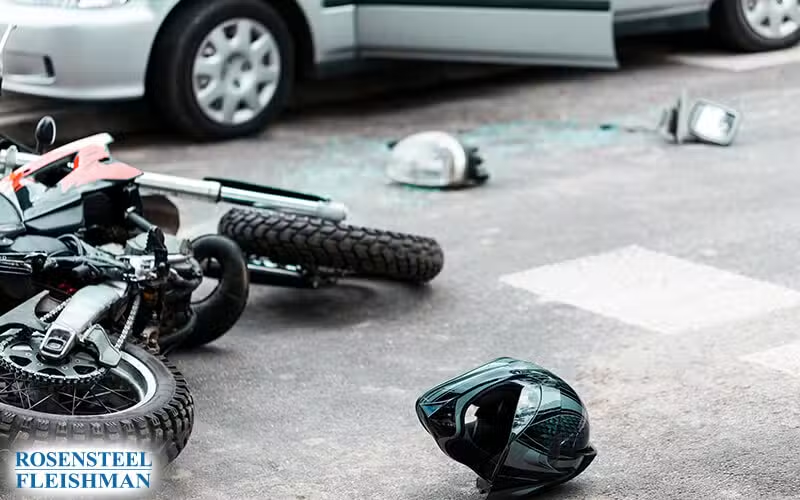

When a motorcycle falls without striking another vehicle, “single-vehicle crash” describes the contact pattern. It does not, by itself, explain the cause. A useful account separates what the rider and witnesses saw from possible explanations that still need investigation.
As Attorney Corey Rosensteel explains, “The physical evidence can tell an important part of the story when another driver is no longer at the scene.” Keep that evidence in context: a photograph may show a condition without showing how long it existed or whether it caused the fall.
Describe the sequence, including what is uncertain
Start with the location, direction of travel, lane and approximate time. Describe what happened immediately before the fall, any movement by another vehicle, what the motorcycle contacted and where it came to rest. Identify whether each detail comes from your memory, a witness, a recording or a later inspection.
If you did not see where debris came from, do not identify a passing truck as its source. If you suspect a mechanical problem, record the symptom and preserve the motorcycle for appropriate inspection rather than naming a failed part as an established cause.
Match each possible explanation to available evidence
- Another vehicle: description, direction, partial identifying details, witnesses and possible recordings. Separate direct observations from later information.
- Road surface or debris: precise location, safe photographs, weather, lighting and the date of each observation. A later repair does not establish what was present at the crash time.
- Motorcycle condition: maintenance and repair documents, photographs, storage location and any post-crash changes. Qualified inspection may be needed to interpret damage.
- Visibility or traffic conditions: what was visible from the rider’s position, traffic controls and contemporaneous observations, without recreating a dangerous maneuver.
Prioritize safety and medical care. Do not enter traffic, trespass, access someone else’s camera account or dismantle damaged equipment to collect evidence. Identify the custodian and seek authorized preservation or inspection. Keep track of storage charges and proposed repairs or disposal so preservation questions can be addressed promptly.
Preserve originals and identify their source
Keep original photo and video files when lawfully available, along with who created them and when. Make a separate copy for annotations. North Carolina Rule of Evidence 901 concerns showing that evidence is what it is claimed to be; preserving source information helps later review but does not guarantee admissibility.
A camera near the scene does not necessarily record or retain footage. Record whom you contacted and the response. The focused pothole-evidence guide covers the narrower road-surface task when a hole or pavement defect is part of the account.
Separate a possible cause from a coverage decision
An account involving an unidentified vehicle needs individual policy and legal review. Do not assume that a no-contact event qualifies for uninsured-motorist payment, or that the single-vehicle label resolves fault. Preserve policies, notices and the insurer’s written explanation.
North Carolina Department of Insurance guidance after an accident explains contacting the relevant insurer and that fault disputes may require further resolution. Reporting a possibility is different from proving someone’s legal responsibility. Road authority, contractor, product and driver questions may require different records and legal analysis.
For an initial discussion, bring the crash report, your account, available photographs, witness details, motorcycle records and insurance correspondence. Rosensteel Fleishman can review questions about responsibility after a motorcycle crash and help identify which unanswered questions matter to the particular circumstances.
Additional Motorcycle Accidents Articles
Investigating Unexplained Loss of Control in Charlotte, NC Motorcycle Crashes
An unexplained loss of motorcycle control leaves questions about what happened before the fall. Clear records can help families distinguish evidence from assumptions and respond to claim disputes.
Medical Guidance for Resuming Outdoor Walks After a Motorcycle Crash in Charlotte
An outdoor walk does not tell the whole story of an injury. Accurate records can distinguish daily activity, treatment history, practical limitations, and unresolved claim questions.
When Anxiety After a Motorcycle Crash Disrupts Sleep and Relationships in Charlotte
When anxiety affects family routines after a motorcycle crash, specific records can describe what changed. Learn how to separate everyday observations from medical conclusions and questions about a claim.



