
What happens when a cyclist and a driver remember the same crash differently? In Charlotte, that question can become important when an insurance company begins reviewing a bicycle injury claim and comparing statements from the people involved with photographs, medical records, witness accounts, and other evidence. Differences in recollection do not automatically prevent recovery, but […]
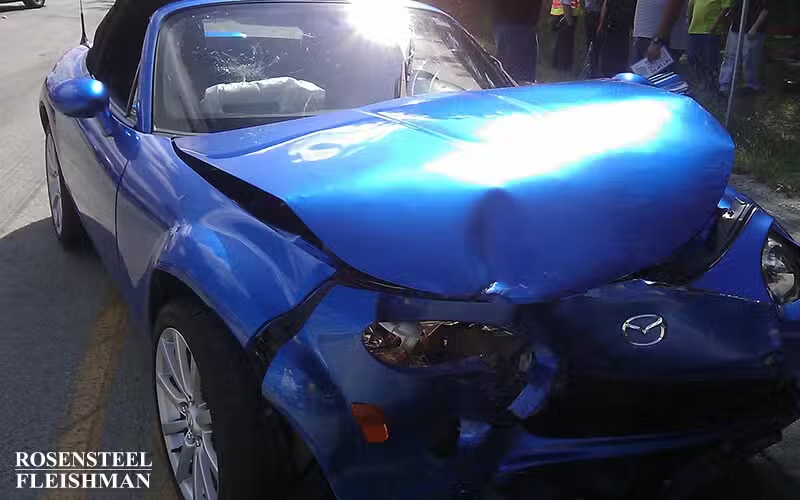

If you were a passenger in a crash, put immediate safety and medical needs first. Follow emergency personnel’s instructions and call 911 for an emergency. Once it is safe to deal with paperwork, keep a record of the vehicle you were in, where you were sitting and what you personally observed.
You do not need to decide which driver was responsible before organizing your information. A passenger may have a limited view of the road or may remember only part of the sequence. Write down those limits instead of filling them with another person’s account.
Identify your vehicle and seat
- Record the driver’s name, vehicle description and license plate or other identifying details you already have.
- Note your seat position and which parts of the road or other vehicles you could see.
- Keep the investigating agency’s name, report number and available witness contact details.
- If this was a taxi, rideshare, bus or work-related trip, preserve the booking, receipt, trip details or employer communication that identifies the service.
Separate what you saw from what you learned later
A useful note distinguishes an observation, an estimate and information from someone else. For example: “I heard an impact before I looked up” is different from “the other driver said we were hit from behind.” Record the source of the second statement rather than presenting it as your own view.
Keep earlier messages and notes if you later remember another detail. Add a dated clarification without rewriting the original. Do not coordinate accounts with a driver or another passenger to make everyone’s wording match.
Keep photographs without returning to danger
Save original photographs, videos and messages you already have. Note who created an image and when you received it. Do not enter traffic, return to an unsafe vehicle or move damaged items to obtain evidence. Ask about lawful preservation of video or other records held by a business, driver or service provider.
Organize your own care and expense records
Keep provider instructions, appointment information, bills, payment notices and work-absence records in a separate folder for your own injury. Medical decisions should follow your needs and your provider’s advice. Do not assume that another occupant’s diagnosis, treatment or payment determines yours.
If a record is missing or inaccurate, identify the entry and ask the source about obtaining or correcting it. Keep estimates and disputed amounts labeled. An organized folder makes review easier; it does not establish causation, insurance coverage or an amount owed.
Track requests from insurers or other parties
Save each request, including attachments and any stated response date. Record the sender, insurer, claim number and which person or vehicle the request concerns. When more than one insurer contacts you, avoid treating their files as interchangeable. Ask for an explanation if you do not understand an authorization, recorded-statement request or release before deciding how to respond.
Use the crash report as one source
The guide to reading a North Carolina crash report explains how to distinguish report entries, narrative and diagrams. Compare the report with your own records and identify any question for review; do not assume a report entry settles every fault or coverage issue.
Rosensteel Fleishman can discuss car-accident claim questions involving an injured passenger. Bring your report number, relevant correspondence and the questions you want answered. Passenger status alone does not resolve every issue of responsibility, coverage or claim value.
Additional Personal Injury Articles
What to Know About Ongoing Claim Evaluation Processes During a Difficult Recovery
Ongoing claim evaluation often depends on how clearly the events surrounding an injury are documented from the beginning. Written statements, medical records, photographs, work records, and communications with insurers can all influence how an accident and its consequences are understood weeks or months later. For a family in Charlotte dealing with medical appointments, transportation problems, […]
Keeping Records After Claim Closure in Case New Issues Develop
After an insurance claim closes, the paperwork connected to the accident can still matter months or even years later. A driver may feel relieved when repairs are completed, medical bills appear resolved, and the insurer marks the file closed, but later developments can make old records important again. Symptoms may return, a medical provider may […]
How Recovery Time Affects Motorcycle Claims and the Records That Can Support Your Case
A motorcycle crash can disrupt more than a rider’s health. It can affect work, family responsibilities, transportation, and household finances for weeks or months. Medical records created during that period help show how the injuries developed, how consistently the rider followed treatment recommendations, and when daily life began returning to normal. Why the Timeline Matters […]


