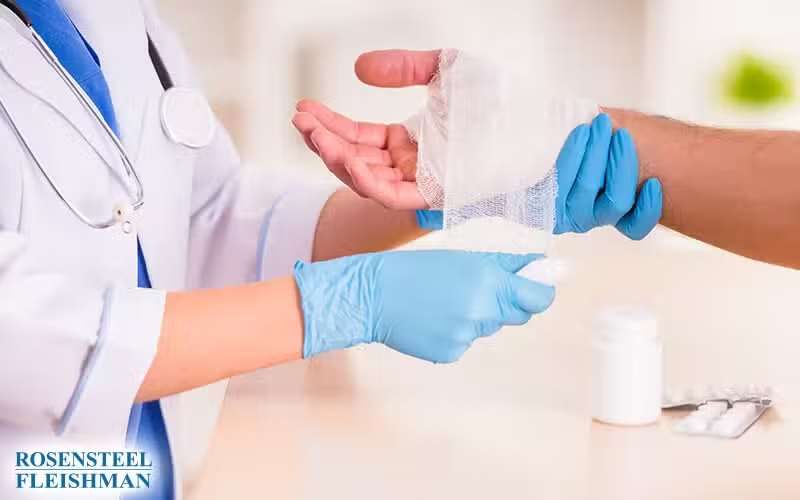
A dog bite can turn an ordinary day into something painful and confusing, especially when the injury affects your arm. Arms are often exposed during an attack because people instinctively reach out to shield their face, protect a child, or push the dog away. That reaction can leave the hand, wrist, forearm, elbow, or upper arm with puncture wounds, torn skin, bruising, swelling, or deeper damage that is not always obvious right away.

These injuries can raise practical questions about medical care, time away from work, infection risks, scarring, and what to do when insurance companies begin asking for information. For people trying to understand what comes next, speaking with a dog bite lawyer in Charlotte for arm injuries can provide helpful guidance while keeping the focus on recovery, documentation, and the long-term effects of the attack.

Arm injuries from dog bites can be more serious than they first appear. A bite may look like a few puncture marks on the surface while still affecting tendons, nerves, muscles, or joints underneath. Some people notice stiffness, weakness, numbness, or pain that becomes more noticeable after the initial shock wears off. Others may need follow-up care because swelling, infection, or limited movement begins to interfere with daily life.

Rosensteel Fleishman Car Accident & Injury Lawyers works with people in Charlotte who are dealing with the aftermath of serious injury incidents, including dog bite attacks. The goal is to help injured people understand their options without making the situation feel more overwhelming than it already is. When an arm injury affects work, driving, childcare, sleep, or basic daily tasks, having clear information can make the recovery process feel more manageable.

TLDR Summary:

  • Arm injuries from dog bites can involve punctures, tearing, nerve damage, infections, scarring, and long-term movement problems.
  • Medical records, photographs, witness information, and details about the dog’s behavior can help show how the injury happened and how it affected daily life.
  • North Carolina dog bite claims can depend on facts such as the dog’s history, the owner’s actions, and whether the injured person was lawfully present.
  • Rosensteel Fleishman provides local guidance for people in Charlotte who want to better understand their rights after a dog bite injury.

A dog bite that injures the arm can affect far more than the skin. It can change how a person works, sleeps, lifts objects, drives, cooks, types, or cares for family members. Understanding the medical and claim-related issues early can help injured people avoid confusion and better document the full effect of the attack.

Why Arm Injuries From Dog Bites Deserve Careful Attention

Arm injuries are common in dog attacks because people naturally use their arms to defend themselves. The force of a bite can cause puncture wounds, deep tissue damage, fractures, crushed skin, or torn muscles. Even when the wound appears limited at first, the location of the bite can create concerns because the arm contains nerves, tendons, blood vessels, and joints that affect movement and strength.

Dog bite wounds also carry a risk of infection. Bacteria can enter the skin through puncture wounds, and deeper bites may trap bacteria below the surface. This is one reason medical attention is important even when someone believes the injury is manageable. A doctor can clean the wound, evaluate the need for antibiotics, check for deeper damage, and recommend follow-up care if symptoms change.

The impact of an arm injury can grow over time. A person may first focus on the pain and bleeding, then later notice that the arm does not move the same way. Grip strength may feel weaker. The wrist may become stiff. The elbow may feel painful when lifting. Scarring may tighten the skin or create sensitivity. These changes can make ordinary tasks harder and may affect the value and direction of an injury claim.

Common Arm Injuries Caused by Dog Attacks

Dog bites to the arm can cause puncture wounds, lacerations, bruising, swelling, fractures, tendon damage, nerve irritation, and scarring. Some victims experience numbness, tingling, or burning sensations if nerves are affected. Others may have trouble bending the wrist, gripping objects, or extending the elbow without pain.

In some cases, the injury may require stitches, wound cleaning, imaging tests, medication, or therapy. More serious bites can lead to surgery or long-term treatment. The more clearly these injuries are documented, the easier it becomes to understand how the attack changed the person’s daily life.

How North Carolina Dog Bite Claims May Be Evaluated

Dog bite claims in North Carolina can depend on several facts. These may include whether the dog had shown dangerous behavior before, whether the owner knew or should have known about that behavior, whether the dog was properly restrained, and whether the injured person was legally allowed to be where the attack happened. The facts surrounding the incident matter because dog bite cases are not always evaluated in the same way.

A dog bite involving an arm injury may also require careful documentation of medical treatment and recovery. Insurance companies often look at the severity of the wound, the treatment provided, whether there are lasting symptoms, and whether the injury affects work or daily activities. Photos taken at different stages of healing can be especially useful because swelling, bruising, infection, and scarring may change over days or weeks.

People sometimes feel uncomfortable pursuing a claim when the dog owner is a neighbor, friend, or relative. That concern is understandable. In many cases, the claim may involve insurance coverage rather than direct payment from the dog owner personally. Understanding how that process works can help reduce some of the stress and uncertainty.

Why Evidence Matters in Arm Injury Claims

Evidence helps connect the attack to the injury and shows how the injury affected the person afterward. Helpful information may include medical records, photographs, witness names, animal control reports, text messages, details about prior aggressive behavior, and notes about missed work or daily limitations.

Arm injuries can be difficult to evaluate from a single medical visit. Pain, stiffness, numbness, or scarring may develop over time. Keeping records of follow-up visits, symptoms, prescriptions, physical therapy, and work restrictions can help create a clearer picture of the injury’s full impact.

Understanding the Daily Impact of an Arm Injury After a Dog Bite

A dog bite to the arm can interfere with basic tasks that most people do without thinking. Buttoning a shirt, carrying groceries, typing, driving, brushing hair, preparing meals, or lifting a child may become painful or difficult. When the injury affects the dominant arm, even small limitations can disrupt nearly every part of the day.

The emotional impact can also be significant. A sudden dog attack can leave a person anxious around dogs, uncomfortable walking through the neighborhood, or worried about another incident. These reactions can be especially strong when the attack was unexpected or involved a dog the person had seen before. The combination of pain, fear, and uncertainty can make recovery feel more complicated than people expect.

Financial stress may develop as well. Medical bills, missed work, travel to appointments, medication costs, and possible future care can add pressure during an already difficult time. When an injury affects someone’s ability to work with their hands, the financial consequences may extend beyond the first few days after the attack.

How Symptoms Can Change After the Initial Bite

Some symptoms are immediate, such as bleeding, swelling, and sharp pain. Others may develop later. A person may notice increased redness, warmth around the wound, drainage, fever, numbness, stiffness, or reduced strength. These changes should be taken seriously because they may signal infection or deeper injury.

Following medical instructions and attending follow-up appointments can protect both health and documentation. If symptoms worsen, updated medical records can help show how the injury progressed and why additional care was needed.

Why Local Guidance Can Help After a Dog Bite in Charlotte

After a dog bite, many people are unsure what information matters. They may not know whether to speak with the dog owner’s insurance company, what details to share, or how to respond if the injury is minimized. Local guidance can help injured people understand the process without feeling pressured or rushed.

A Charlotte-based team familiar with North Carolina injury claims can help explain how dog bite cases are commonly reviewed, what evidence may be useful, and what issues could affect compensation. This can be especially helpful when an arm injury creates ongoing medical concerns, missed work, or uncertainty about future care.

Rosensteel Fleishman focuses on helping injured people understand the practical side of their situation. That may include reviewing what happened, discussing medical documentation, identifying possible insurance coverage, and helping the person think through the next steps. For broader injury questions after a serious incident, a personal injury lawyer in Charlotte can also provide useful direction based on the facts of the case.

How Support Can Reduce Stress During Recovery

The period after a dog bite can feel busy and stressful. There may be doctor visits, insurance calls, photographs to save, forms to complete, and questions about missed work. When someone is already dealing with pain or limited arm movement, even small tasks can feel harder.

Support from a local legal team can help organize the claim-related details so the injured person can focus more attention on healing. Clear communication also helps people make informed decisions instead of guessing about what matters.

Important Issues to Watch After a Dog Bite Arm Injury

Dog bite arm injuries can involve both short-term and long-term concerns. In the beginning, the focus is often on stopping bleeding, cleaning the wound, preventing infection, and controlling pain. As recovery continues, the focus may shift to mobility, strength, scarring, sensitivity, and whether the person can return to normal routines.

A person should pay attention to how the injury affects work, household responsibilities, hobbies, and sleep. For example, someone who works in construction, healthcare, food service, childcare, office administration, or driving may face very different challenges depending on which part of the arm was injured. These details can matter when evaluating the full effect of the bite.

It is also important to keep track of medical costs and related expenses. Receipts, prescription records, mileage to appointments, and work absence documentation can all help show the financial impact of the injury. A claim is often stronger when the effects are organized and supported by records rather than memory alone.

Why Photographs Can Be Helpful

Photographs can show changes that may not be obvious later. Taking pictures soon after the bite and throughout the healing process can help document bruising, swelling, stitches, infection concerns, scabbing, and scarring. These images may help explain the seriousness of the injury in a way that written records alone may not fully capture.

It is also useful to photograph torn clothing, the location of the attack, visible blood, or anything else connected to the incident. These details may help provide context if questions come up later.

How Rosensteel Fleishman Helps People Understand Dog Bite Injury Claims

Rosensteel Fleishman Car Accident & Injury Lawyers provides professional and reliable guidance for people injured in Charlotte and across North Carolina. Dog bite cases can feel personal, especially when the dog owner is someone the injured person knows. The firm helps clients look at the facts calmly, understand possible insurance issues, and evaluate what steps may make sense.

Corey Rosensteel and Matthew Fleishman have worked with many injured people facing medical bills, missed work, and uncertainty after serious incidents. Their approach is built around communication, preparation, and helping clients feel informed. When someone is dealing with an arm injury after a dog attack, that type of steady guidance can make the process less confusing.

The firm can help review medical records, gather supporting information, communicate with insurance companies, and explain how North Carolina law may apply. This does not mean every dog bite case follows the same path. Each situation depends on the facts, the injury, available evidence, and the insurance issues involved.

What a Charlotte Dog Bite Lawyer May Review

A dog bite lawyer may review where the attack happened, who owned or controlled the dog, whether the dog had shown prior aggression, whether animal control was involved, what medical treatment was needed, and how the injury affected work and daily life. These details help create a clearer picture of responsibility and damages.

In arm injury cases, the review may also include whether the wound caused nerve symptoms, loss of strength, scarring, infection, or long-term movement problems. The more complete the picture, the easier it is to understand what the claim may involve.

Moving Forward After an Arm Injury From a Dog Bite

Recovering from a dog bite arm injury can take time. Some people heal quickly with wound care and medication. Others face repeated appointments, therapy, scarring concerns, or lingering pain. The uncertainty can be frustrating, especially when the injury disrupts work, family responsibilities, or everyday comfort.

Getting information early can help reduce that uncertainty. It can also help preserve evidence before details are forgotten, photos are lost, or witnesses become harder to reach. Even a simple conversation can help someone understand what to document, what questions to ask their medical provider, and how to think about insurance communication.

Rosensteel Fleishman offers free consultations for people who want to discuss a dog bite injury in Charlotte. Calling 1-704-714-1450 can help you learn more about your options, ask questions about your arm injury, and understand what steps may be available after an attack.