A dog bite can disrupt daily life in ways that are not immediately obvious. What may seem like a single incident often leads to medical treatment, follow-up appointments, scarring concerns, and questions about who is financially responsible. In Charlotte, many people are surprised to learn that dog bite injury cases involve detailed insurance evaluations, local […]
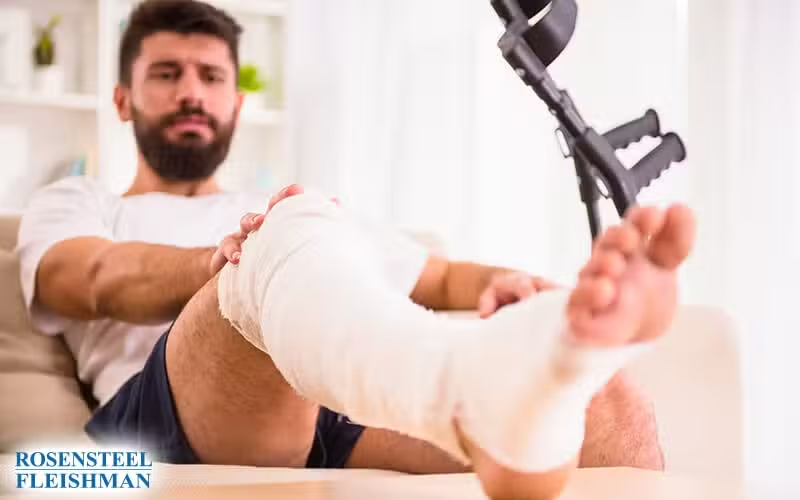

A broken arm can disrupt daily life in ways most people do not expect. Beyond the immediate pain and inconvenience, there are medical appointments, imaging studies, therapy sessions, and often time away from work. When the injury was caused by a car crash, fall, or other accident in Charlotte, questions about insurance coverage and financial responsibility usually follow close behind. In these moments, medical documentation becomes far more than routine paperwork. It forms the foundation of any personal injury claim connected to the injury.
Clear, consistent medical records help establish what happened, how serious the fracture was, and what treatment was necessary. For anyone considering speaking with a personal injury lawyer in Charlotte for broken arm injuries, understanding the role of documentation is essential. Insurance companies rely heavily on written medical evidence when evaluating claims, and incomplete or inconsistent records can create avoidable complications. Taking the time to understand how documentation supports your position can make the entire process more straightforward and less stressful.
Why Medical Documentation Shapes Broken Arm Injury Claims
When a broken arm occurs as the result of an accident, the injury may appear obvious. However, from a claims perspective, nothing is assumed. Insurance carriers look for objective proof that connects the incident to the medical condition. This is where detailed medical documentation becomes critical.
Emergency room records typically describe how the injury occurred and document initial symptoms. Imaging studies such as X rays or CT scans confirm the presence and severity of fractures. Follow up visits with orthopedic physicians outline treatment plans, whether that involves casting, surgery, or physical therapy. Together, these records create a timeline that supports the legitimacy of the claim.
Medical documentation also helps establish the extent of damages. A simple fracture that heals in six weeks presents differently from a compound fracture requiring surgery and months of rehabilitation. Records reflect pain levels, mobility restrictions, and complications. In a personal injury claim, these details influence how medical expenses, lost wages, and potential long term limitations are evaluated.
Connecting The Accident To The Injury
One of the most important functions of medical records is linking the broken arm directly to the accident. Early treatment is particularly significant. If an individual seeks care promptly and consistently describes the cause of the injury, that consistency strengthens the claim.
Physician notes often include the patient’s account of how the injury happened. Imaging reports provide objective findings that cannot easily be disputed. Surgical summaries detail procedures performed and hardware used. Therapy progress notes describe recovery milestones and any setbacks. When these documents align, they create a cohesive narrative.
A well documented claim often includes:
- Emergency department evaluations and diagnostic imaging
- Orthopedic consultation notes
- Surgical records when applicable
- Physical therapy documentation
- Written restrictions affecting work or daily activities
Each component plays a role in demonstrating both the cause and the consequences of the injury. Without this documentation, even a legitimate claim may face unnecessary scrutiny.
Documentation Gaps And Insurance Review Process
Gaps in medical treatment can complicate the review process. When there are delays between the accident and the first medical visit, or long breaks between follow up appointments, insurance adjusters may question whether the injury was severe or related to the incident at all. Consistency in care helps eliminate those doubts.
Insurance companies carefully analyze treatment patterns. They look for missed appointments, incomplete therapy programs, or inconsistencies in reported symptoms. Even minor variations in how the injury is described across different visits can raise questions. This does not mean every claim with a gap is invalid, but it does mean that documentation must clearly explain the circumstances.
Understanding how insurers evaluate claims can help injured individuals make informed decisions. Reviewing practical guidance about legal and insurance options after an accident can provide helpful context about how documentation fits into the broader process. When medical records are thorough and consistent, they provide a stronger foundation during negotiations or formal proceedings.
Financial And Long Term Considerations
A broken arm may heal, but the financial impact can extend well beyond the initial treatment period. Time away from physically demanding work can reduce income. Ongoing therapy appointments may require additional travel and scheduling adjustments. In more serious cases, permanent limitations can affect future employment opportunities.
Medical documentation plays a key role in assessing these long term effects. Physician notes that address range of motion, grip strength, and ongoing pain provide measurable indicators of recovery. If a doctor recommends future procedures or anticipates residual limitations, those observations can influence how damages are calculated.
Matthew Fleishman has noted, “Medical records tell the story of an injury in a way that opinions alone cannot. Clear documentation allows everyone involved to evaluate the situation based on facts rather than assumptions.” This perspective underscores why thorough, consistent records matter not only for immediate treatment, but also for understanding the broader financial picture.
Working With A Local Charlotte Personal Injury Law Firm
Handling a broken arm injury claim often involves reviewing medical files, communicating with insurance representatives, and organizing documentation into a clear presentation. For many individuals, this process feels unfamiliar. A Personal Injury Attorney in Charlotte, NC can help interpret medical records and ensure that relevant details are not overlooked.
Local knowledge can also be beneficial. A Charlotte based Personal Injury Law Firm is familiar with regional medical providers, local court procedures, and common insurance practices within North Carolina. This familiarity can make communication more efficient and reduce misunderstandings.
At Rosensteel Fleishman Car Accident & Injury Lawyers, the focus remains on reviewing evidence carefully and explaining options in straightforward terms. We work with clients to gather medical documentation, clarify timelines, and address questions about how treatment relates to their claim. The goal is not to create pressure, but to provide clarity so individuals can make informed decisions about their next steps.
Seeking Clear Answers After A Broken Arm Injury
Complex situations naturally raise questions. Individuals often wonder whether their documentation is sufficient, whether a delay in treatment will affect their claim, or how long the process may take. Taking time to review records and understand available options can reduce uncertainty.
For those who prefer to speak directly with someone about their circumstances, Rosensteel Fleishman Car Accident & Injury Lawyers can be reached at 1-704-714-1450. We provide information about the process, review medical documentation, and discuss potential next steps in a measured and practical way.
Additional Personal Injury Articles
What Happens After a Major Car Collision in Charlotte
A serious collision can disrupt daily life in an instant. Beyond the physical injuries, there are questions about medical bills, missed work, vehicle repairs, and how insurance will respond. Many people feel uncertain about what to do next, especially when adjusters begin calling within days of the crash. Understanding what support is available after a […]
How Workers’ Compensation Claims Work After an Eye Injury in Charlotte
An eye injury at work can shift your focus instantly from routine tasks to medical uncertainty. Whether caused by flying debris, chemical exposure, or blunt force trauma, damage to the eye often brings more than physical discomfort. Workers frequently worry about vision changes, medical expenses, time away from work, and how their income may be […]
How Legal Guidance Can Help Strengthen a Personal Injury Claim
After an accident, life can feel confusing in a way that is hard to explain. One moment you are going about your day, and the next you are dealing with medical appointments, insurance calls, missed work, and a lot of unanswered questions. It is common to wonder whether you are handling everything correctly or if […]


