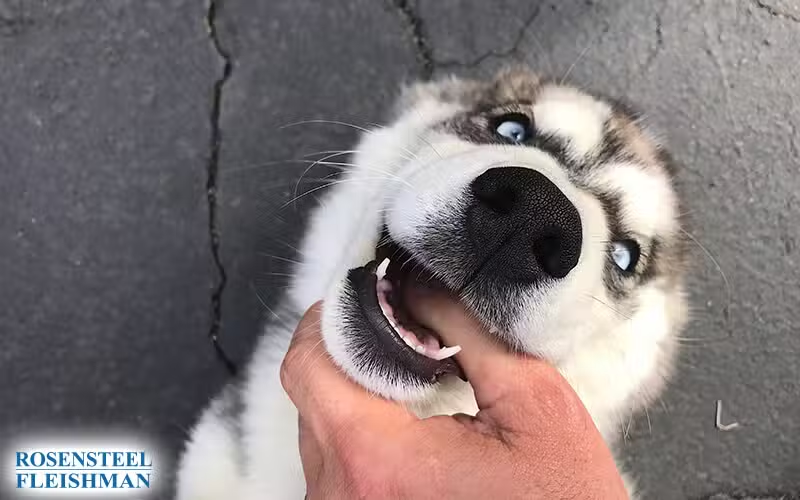
An unexpected encounter with a dog can leave someone dealing with much more than a painful wound. Medical appointments, missed work, transportation problems, and anxiety around animals may all become part of daily life after the incident. People are often unsure what should be documented, who may be responsible, or how an insurance claim should be handled. Learning the basic steps early can help protect important information while giving the injured person more space to focus on recovery.

The early focus should remain on health and safety. Prompt medical attention can identify infection risks, nerve damage, or other complications that may not be obvious at first. Once immediate care is underway, gathering accurate information about the event can help preserve important details if questions arise later.

People who need guidance about their options can review information from a Charlotte dog bite injury lawyer. A conversation can clarify how medical expenses, insurance coverage, and responsibility may be evaluated without requiring the injured person to make an immediate decision.

Why Early Medical Attention Matters

Even when a wound appears manageable, prompt medical evaluation can be important because teeth can damage tissue below the surface and introduce bacteria. A healthcare provider can clean the area, assess the risk of infection, determine whether stitches or other treatment are needed, and discuss tetanus or rabies concerns when appropriate. Medical records also create a clear timeline showing when the injury occurred and what treatment was recommended. Following discharge instructions and attending follow-up visits can reduce uncertainty if symptoms change or complications develop.

Watch for Changes During Recovery

Pain, redness, swelling, drainage, numbness, limited movement, or fever may signal that additional medical review is needed. Some people also experience sleep disruption, fear, or anxiety after an aggressive encounter, especially when the event involved a child or occurred in a familiar place. Keeping a simple daily record of symptoms, medications, appointments, and activity limitations can help doctors understand the recovery process. That record may also provide useful context when explaining how the incident affected work, school, caregiving duties, or normal routines.

Documenting What Happened

Clear documentation can make it easier to answer questions that arise later. Photographs of the wound, damaged clothing, the location, gates, fences, warning signs, and surrounding conditions may preserve details that change quickly. It is also helpful to write down the date, time, address, weather, names of witnesses, and a straightforward description of what happened while the memory is fresh. Avoid guessing about details that are uncertain, because an accurate account is more useful than an account filled with assumptions.

Information About the Animal and Owner

When it can be done safely, gather the owner’s name, contact information, address, and available insurance details. Ask whether the dog has current vaccinations and whether animal control or another local agency has been notified. Witnesses may have seen how the animal was restrained, whether a gate was open, or what happened immediately before the contact. Their contact information can be valuable because memories fade and people may become harder to locate over time.

Reporting the Incident and Preserving Records

A formal report can create an independent record of the event and may help confirm information about the animal, its vaccination status, or prior complaints. The appropriate agency may depend on where the event occurred, so residents can contact local animal control or law enforcement for direction. Keep copies of reports, photographs, medical paperwork, prescriptions, receipts, and written communications in one place. Organizing these materials from the beginning reduces the chance that an important document will be misplaced during a stressful period.

Be Careful With Insurance Communications

An insurance representative may ask for a recorded statement, medical authorization, photographs, or a quick description of the event. It is reasonable to request time to review the question and gather accurate information before responding. Broad medical authorizations can sometimes request records that extend well beyond the treatment connected to the incident, so the scope should be reviewed carefully. A fast settlement may also arrive before the full cost of follow-up care, scarring treatment, therapy, or time away from work is known.

Understanding the Financial Effects

The immediate medical bill is only one part of the financial picture. A person may also face prescription costs, follow-up appointments, physical therapy, counseling, transportation expenses, lost income, or reduced ability to perform normal job duties. Parents may miss work to care for an injured child, and visible scarring may require future evaluation or treatment. Keeping receipts, pay records, employer notes, and appointment schedules can help create a more complete account of the losses connected to the event.

Why Future Needs Should Not Be Overlooked

Some effects are difficult to measure during the first few days. A wound may heal slowly, nerve symptoms may continue, or fear may interfere with outdoor activities and daily routines. Before resolving an insurance matter, it can be helpful to understand whether additional care is expected and whether medical providers have identified any long-term concerns. Decisions made too early can be difficult to revisit after a release has been signed.

Responsibility Can Depend on the Facts

Questions about responsibility are often more complicated than simply identifying who owned the dog. Relevant details may include where the event occurred, who controlled the animal, whether the property was rented, whether warnings were given, and whether the animal had shown aggressive behavior before. North Carolina statutes include provisions addressing dangerous dogs and owner responsibility, but the application of those rules depends on the circumstances. Because small factual differences can affect the evaluation, preserving evidence and avoiding assumptions is especially important.

Incidents Involving Friends or Relatives

People sometimes hesitate to ask questions because the animal belongs to a neighbor, friend, or family member. In many situations, an insurance policy may be involved, which can allow the matter to be addressed without treating the claim as a personal demand against someone close to the injured person. Clear, respectful communication can help reduce tension while the facts and available coverage are reviewed. It is still wise to avoid private agreements until the medical outlook and total expenses are better understood.

How Legal Guidance May Help

A legal review can help someone understand deadlines, insurance issues, available evidence, and the practical value of different options. The process may include gathering records, contacting witnesses, reviewing prior reports, communicating with insurers, and evaluating both current and future losses. People seeking information about this type of claim can learn more from a Charlotte dog bite injury lawyer. That resource explains common questions about evidence, insurance communication, and the claim process in greater detail.

Questions to Ask During an Initial Conversation

A useful consultation should provide clear answers about how the claim process works, what records are needed, what deadlines may apply, and how communication will be handled. It is also reasonable to ask who will provide updates, how costs and fees work, and what factors could strengthen or weaken the claim. Good guidance should help the person understand the available choices without creating pressure to make an immediate decision. Bringing a timeline, photographs, medical documents, and insurance correspondence can make that first conversation more productive.

Choosing Support That Fits the Situation

Communication style and accessibility matter when someone is already managing treatment and daily disruptions. The person providing guidance should be willing to explain unfamiliar terms, respond to questions, and give realistic information about the process. Local knowledge can also be useful when dealing with area agencies, medical providers, insurers, and court procedures. More information about Rosensteel Fleishman is available through its Charlotte personal injury law firm page.

Preparing for the Next Step

Before making a call, gather the incident date, location, photographs, witness information, medical records, bills, and any messages from the owner or an insurance company. A short written timeline can help organize the facts and identify questions that still need answers. There is no need to have every document before seeking information, but bringing what is available can make the discussion clearer. The goal should be to understand the situation, preserve important evidence, and make informed decisions based on the full effect of the injury.

Getting Clear Information After an Animal-Related Injury

Recovery can feel more manageable when medical needs, documentation, insurance communication, and financial records are handled in an organized way. Acting early does not mean rushing into a claim or confrontation. It means preserving options while the facts are available and the medical picture develops. People with questions can contact Rosensteel Fleishman at 1-704-714-1450 for a free consultation and a straightforward discussion about possible next steps.