
A blinking signal does not establish priority or settle fault. The relevant evidence shows how the vehicles moved, which traffic controls applied, and what each witness observed.
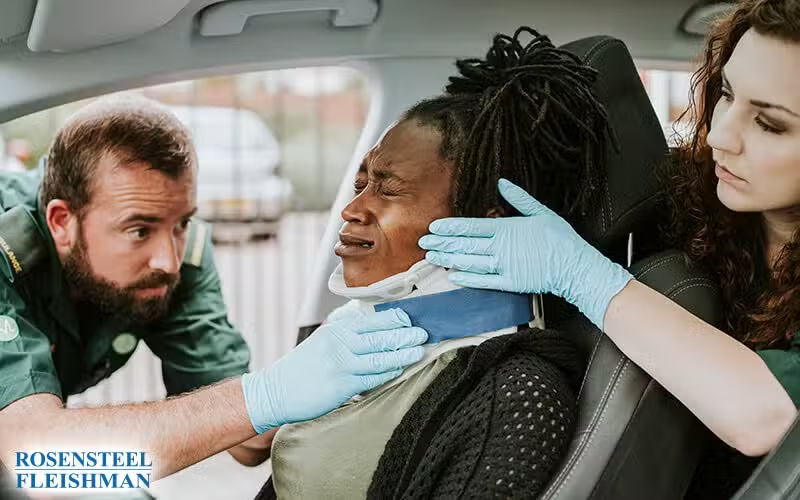

Vehicle damage photos are evidence to compare with a driver’s account, not a complete explanation of a collision. If the two appear inconsistent after a crash in Charlotte, the useful first step is to identify exactly what does not match rather than assume someone is dishonest. A photograph may show a damaged panel without establishing which vehicle moved into the other’s lane.
When fault is disputed, separate what a record shows from the conclusions drawn from it. When explaining a discrepancy to an insurer or a car collision attorney at Rosensteel Fleishman, identify the specific photograph and statement at issue. That distinction also helps clarify whether the disagreement concerns responsibility for the crash, the damage attributed to it, or both.
Separate the Fault Question From the Damage Question
Liability review concerns who bears responsibility for the collision. Damage assessment concerns what damage is being claimed, whether it relates to the collision, and what repairs or costs are under review. An insurer may consider these questions separately, even when the same photographs matter to both.
For example, an adjuster may request a repair estimate while still questioning how the vehicles came into contact. That request alone should not be treated as an acceptance of fault or approval of every claimed expense. Ask which issue the request addresses and what remains unresolved.
Consider a hypothetical collision in which a driver reports contact with the rear of the vehicle, but a close photograph emphasizes damage near a rear corner. Those descriptions are not necessarily incompatible. Clarifying whether the driver meant the rear bumper, the corner, or a broader area is more useful than drawing conclusions from the word “rear” alone.
A photograph can help locate visible damage, but it does not necessarily establish the sequence of movements before contact. Likewise, a repair estimate describes proposed work and costs; it does not, by itself, settle which driver caused the collision. Keeping these purposes distinct prevents a dispute about one damaged part from being mistaken for a decision about the entire claim.
Document the Specific Disagreement Before Responding
A focused response connects each disputed statement to the available records. Start with the original account, identify the exact point being questioned, and distinguish direct observations from estimates or assumptions. If you do not know a detail, leave that uncertainty visible rather than filling it in to match a photograph.
- Keep original photo files and make separate copies for annotations.
- Record who took each image and when, if known.
- Identify the vehicle, side, and panel shown.
- Save relevant statements, estimates, and claim correspondence.
- Note whether photos were taken before or after repairs.
Context matters when comparing images. A close view may document a scrape while leaving out the vehicle’s position, and a photograph taken after vehicles were moved does not necessarily show their positions at contact. Note those limits explicitly instead of presenting an image as evidence of something outside its frame.
If an earlier statement was imprecise, explain the correction in writing and identify what prompted it. For instance, distinguish “I saw the other vehicle cross the lane line” from “I assumed it crossed the line because of where the contact occurred.” These statements describe different levels of knowledge, and unclear wording can create a dispute that is partly about language rather than conflicting evidence.
Ask the adjuster to identify the particular inconsistency and whether additional context would address it. If witness accounts, other photographs, or video are already available, point to the relevant portion rather than sending an unexplained collection of files. A short explanation makes the disagreement easier to evaluate without overstating what the records establish.
Request a Clear Status for Each Part of the Claim
After submitting clarification, ask for a written explanation of what remains disputed. Separate questions about responsibility from questions about particular repairs, prior damage, or claimed expenses. If the response discusses only repair costs, ask whether the liability review is still unresolved.
Keep a dated record of submissions and responses so you can refer to the same materials during later conversations. Save receipts for transportation or other expenses you are claiming, but do not assume that keeping a receipt establishes that the expense will be paid. Documentation supports review; it does not determine the outcome.
Preserve Details While They Are Available
Organize the images and write down factual clarifications while the details are still accessible. Keep a copy of anything you submit, including the explanation accompanying it, so later discussions do not depend on memory alone.
You do not have to make every image fit a single explanation. Preserve what you have, acknowledge what is unknown, and ask which specific issue needs clarification next.
Additional Car Accidents Articles
When Health Insurance Denies Treatment Bills After a Charlotte Crash
A denied medical bill calls for a closer look at the insurer’s stated reason, the provider’s billing records, and the plan’s review process. Keep those questions separate from the accident claim while tracking continuing expenses.
Resolving Conflicting Accounts of a Chain Reaction Crash in Charlotte
Different accounts of a multicar collision can leave both responsibility and payment unresolved. A clear impact timeline and separate records for each insurance claim help identify what still needs an answer.
How Insurers Review Rental Receipts and Repair Delays After a Crash
A rental bill shows the charges; a repair timeline explains the dates. Keep approval messages and shop updates together to address the particular days or fees in dispute.



