
An alleyway pedestrian claim deserves another look when its evidence, documented losses, or stated reasons for delay change. The next step depends on what remains unresolved.
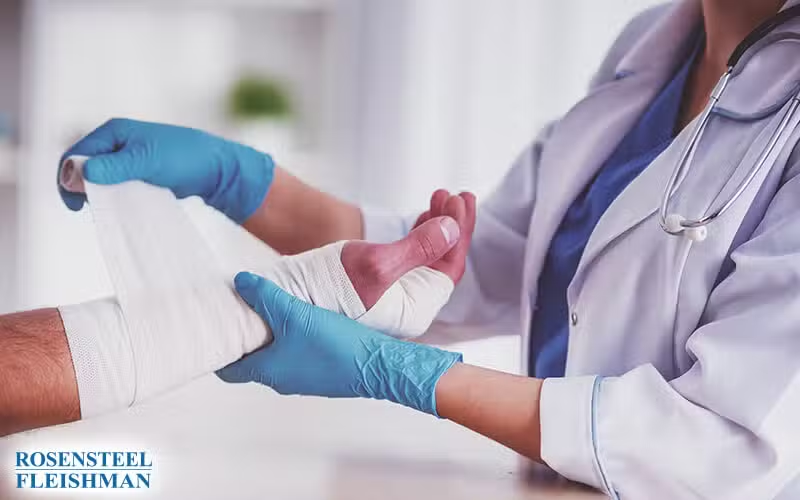

Pain around a knee, shoulder, wrist or another joint can make ordinary tasks difficult to describe. For an injury-claim file, the useful starting point is the exact location, side, task and date—not a guess about the damaged structure or how the condition will develop. Medical questions belong with a healthcare professional.
Identify the joint and the information source
Keep the provider’s diagnosis separate from your description of symptoms. A personal note might say “left wrist hurt when opening the jar.” A medical note may use different wording after an examination. Preserve both without turning the personal observation into a diagnosis.
- Location and side: which joint or area you mean, using the provider’s wording when recording a diagnosis.
- Date and source: an appointment note, work record, message or your own recollection.
- Earlier history: relevant prior symptoms, treatment or limitations, without deciding their medical significance.
- Later change: what changed and when you noticed or reported it.
Describe the task that became difficult
Record an ordinary activity that you actually attempted, modified or needed help with. For example, note that you used both hands to lift a familiar item, asked someone else to carry shopping or stopped a task. Include enough context to make the entry understandable without creating a detailed diary of every movement.
Do not test an injured joint or repeat a painful activity to strengthen a record. Follow the applicable care instructions and ask the provider about movement or activity concerns.
Preserve restrictions in the provider’s words
A personal choice to avoid an activity is different from a medical restriction. Keep the actual work note or instruction, who issued it, its date and any stated review period. If the instruction is unclear or the employer describes it differently, identify the question rather than rewriting the restriction yourself.
Keep treatment, function and costs connected but distinct
An appointment note documents care; an employer record may document a missed shift; a bill records a charge. Match them by date when useful, but do not assume one proves everything stated in another. Preserve revised documents alongside the originals and ask the source about apparent factual errors.
The shoulder movement and task-record guide gives more specific examples for shoulder concerns after a crash. For wrist and hand use after a store fall, the grip and hand-use record guide addresses that narrower situation.
Prepare a short list of unresolved questions
Useful questions might concern a missing report, which side a note identifies, the duration of a work restriction or an unexplained bill. Questions about diagnosis, cause and recovery should go to the appropriate clinician. A claim review should use the documented answers rather than assumptions about how joint injuries usually behave.
Rosensteel Fleishman can discuss personal-injury claims involving joint-related treatment and daily limitations. Bring the available records and identify what you still need explained. There is no need to create a medical conclusion or a predicted settlement amount before the conversation.
Additional Personal Injury Articles
Overlooked Distractions That Put Charlotte Motorcycle Riders at Risk
A phone is not the only possible distraction in a motorcycle collision. Separate observed behavior from assumptions, preserve useful records, and identify gaps before discussing a claim.
How Witness Accounts Support Crash Injury Documentation in Charlotte
Witness statements can add context to a crash injury claim without establishing a diagnosis. Learn which details to preserve, how to handle conflicting accounts, and why small omissions matter.
Can Breathing Exercises Support Sleep During Work Injury Recovery in Charlotte?
A sleep log cannot establish whether breathing exercises help recovery. Learn how to separate observations from conclusions and keep claim communications consistent.



