
Are You Suffering From Injuries Due to a Pedestrian Accident?
If you've found yourself in the unfortunate circumstance of being involved in a pedestrian accident in Charlotte, North Carolina, you're likely grappling with more than just physical wounds. Emotional trauma, financial distress, and the labyrinth of legal proceedings can add up to a stressful experience. But it doesn't have to be this way. With the aid of a reputable Charlotte pedestrian accident lawyer like those at Rosensteel Fleishman, you can navigate the legal landscape with confidence, focusing on your recovery while we fight for your rights.
Our attorneys don't just provide legal representation; they offer a helping hand and a listening ear in your time of need. With their deep understanding of North Carolina law and a client-centric approach, they strive to provide personalized solutions, making the complex and often intimidating legal process less daunting. With our team on your side, you can rest assured that your case is in good hands.
Identifying Eligible Injuries for a Pedestrian Accident Lawsuit in Charlotte
In Charlotte, a wide array of injuries can potentially lay the foundation for a pedestrian accident lawsuit. From fractures and spinal cord injuries to traumatic brain injuries and psychological distress, various wounds could give rise to a valid claim. Your Charlotte pedestrian accident lawyer will guide you through this process, helping you comprehend if your specific injuries meet the criteria for legal action.
How Much Does a Charlotte Pedestrian Accident Lawyer Cost?
Concerned about the costs associated with engaging a pedestrian accident lawyer in Charlotte? While with some law firms the cost will vary depending on the intricacies of your case and the duration of the legal process, the attorneys at Rosensteel Fleishman operate on a contingency basis. This means you won't have to bear any upfront costs; they only get paid only when they secure a successful settlement or verdict for you.
Factors that Influence the Success of a Pedestrian Accident Lawsuit
Various elements come into play when it comes to determining the outcome of a pedestrian accident lawsuit in Charlotte. Key factors such as the severity of your injuries, the circumstances surrounding the accident, and your attorney's prowess in creating a compelling case can significantly influence your claim's success.
Knowing When to Engage a Pedestrian Accident Attorney
When it comes to seeking legal counsel after a pedestrian accident, sooner is definitely better. Engaging a Charlotte pedestrian accident lawyer right after the accident allows them to dive into your case promptly. Early involvement means more time to gather crucial evidence and craft a robust legal strategy.
The Value of a Charlotte Pedestrian Accident Attorney to Your Claim
Dealing with a pedestrian accident claim might seem daunting, but the right Charlotte attorney can make all the difference. In many cases, these incidents involve vehicle-related negligence, and understanding how injury claims are handled in broader traffic-related cases can provide helpful context. You can explore how similar claims are approached by a Charlotte auto accident lawyer when multiple parties or insurance issues are involved. A pedestrian accident lawyer doesn't just represent you in court; they offer much-needed support through a challenging phase, handling complex legal proceedings and advocating for your rights.
Advantages of Hiring a Pedestrian Accident Lawyer in Charlotte, NC
Choosing to work with a proficient pedestrian accident attorney in Charlotte, North Carolina comes with a host of benefits that can transform your experience during this challenging time. The comprehensive legal assistance provided by such professionals goes a long way in not just aiding your recovery but also ensuring you get the justice you deserve.

These attorneys bring with them a rich blend of experience and expertise, understanding of North Carolina's specific pedestrian accident laws, and a knack for dealing with complex insurance claims processes. Additionally, with a track record of successful pedestrian accident cases, they stand testament to their ability to handle your case with the utmost professionalism. Whether it's battling it out in court or negotiating behind the scenes, a Charlotte pedestrian accident attorney acts as your tireless advocate and representative.
1) Proficiency in North Carolina Pedestrian Accident Laws: A deep understanding of North Carolina's pedestrian accident laws can make a significant difference in your case.
2) Knowledge of Insurance Claims Process: Dealing with insurance companies can be a challenging task. An experienced attorney can handle these negotiations and fight for your best interests.
3) Proven Track Record With Pedestrian Accidents: A history of success in pedestrian accident cases signifies the attorney's capabilities and knowledge.
4) Representation in Court: If your case goes to trial, a lawyer can present your case effectively to the jury.
5) Advocacy and Representation: A lawyer acts as your voice, advocating for your rights and representing your interests throughout the legal process.
Maximize Your Injury Compensation with the Guidance of a Skilled Charlotte Attorney
Pedestrian accidents can lead to severe injuries and emotional distress, which is why compensation plays a crucial role in your recovery process. Attorneys focused on pedestrian accidents in Charlotte can help you get the maximum compensation you're entitled to. They leverage their expertise to pinpoint all potential avenues for compensation, building a strong case that reflects the full extent of your ordeal.
In the aftermath of an accident, you might feel overwhelmed by the numerous factors that determine the amount of compensation you can claim; this is where the skills of a competent Charlotte pedestrian accident lawyer come into play. By accurately assessing the impact of the accident on your life and evaluating various factors such as medical expenses, lost wages, and emotional distress, they can help you claim the compensation you deserve.
Complexities of Pedestrian Accident Claims with a Professional Charlotte Attorney
The realm of pedestrian accident claims can be intricate and daunting for those unfamiliar with the legal terrain. With a proficient Charlotte pedestrian accident lawyer by your side, you can navigate this complex process with relative ease, allowing you to concentrate on your healing and recovery.
Dealing with the legal complexities of a pedestrian accident claim can be a significant burden, especially when you're focused on recuperating. But when you hire a proficient Charlotte, NC pedestrian accident lawyer, they take the reins, managing every aspect of your claim from start to finish, saving you time and reducing stress.
After an Accident: How a Charlotte, NC Pedestrian Accident Lawyer Advocates for You
If you've been hurt in a pedestrian accident, you need a robust legal ally. An experienced Charlotte pedestrian accident lawyer takes immediate action, initiating a thorough investigation, pinpointing liable parties, negotiating with insurance companies, and representing your best interests at every turn.
From the moment you engage the services of a Charlotte pedestrian accident lawyer, they start working relentlessly on your behalf. They meticulously investigate the incident, identifying and documenting critical evidence, dealing with stubborn insurance companies, and ensuring your rights are upheld throughout the process.
Protect Your Rights with a Dedicated North Carolina Pedestrian Accident Law Firm
With a dedicated law firm like Rosensteel Fleishman on your side, you can rest assured that a team of skilled professionals is working relentlessly to protect your rights and interests, setting the stage for a favorable outcome in your case.
Engaging a firm that is experienced in pedestrian accident cases in North Carolina not only provides you with access to a dedicated team of professionals but also ensures you have seasoned legal advocates who understand the nuances of your situation. Their sole mission? To safeguard your rights and secure the best possible outcome for you.
"My experience with Rosensteel Fleishman was, in a word, outstanding. After my accident, Mr. Fleishman and his staff exceeded my expectations, and got me the maximum amount money that I was owed by the insurance company. They were thorough, efficient and professional. I will highly recommend them to anyone needing a personal injury attorney."
Lisa Fiser - Google Review
How to Find the Right Pedestrian Accident Lawyer Near You
Locating the pedestrian accident attorney in Charlotte, North Carolina, can make a world of difference in the outcome of your claim. Such a professional, with their knowledge, experience, and commitment, can significantly increase the chances of a positive outcome in your case.

A competent pedestrian accident lawyer is instrumental in navigating the complex maze of legal proceedings following an accident. They know the ins and outs of North Carolina's pedestrian laws and understand how to negotiate with insurance companies to protect your interests. Moreover, an attorney with a proven track record not only instills confidence but also assures you that your case is in the right hands.
Identifying a Pedestrian Accident Attorney in North Carolina
It's important to pay attention to certain qualities when scouting for a pedestrian accident attorney in North Carolina. Some of these include a proven track record, stellar client testimonials, deep understanding of North Carolina laws, and superior negotiation capabilities.
In addition to the above, a high-quality pedestrian accident attorney would be committed to their clients. Their dedication, combined with their legal acumen, can help turn the tide in your favor. They would offer personalized services, understanding the unique aspects of your case, and design an approach tailored to your specific needs.
Boost Your Success Rate with a Successful Charlotte Pedestrian Accident Attorney
Engaging a competent pedestrian accident attorney in Charlotte can significantly elevate the likelihood of a successful claim. With their expertise, strategic planning, and assertive representation, they're ideally equipped to fight for your rights.
Retaining a skilled pedestrian accident attorney can be a game-changer. From providing expert advice and crafting a strategic plan to delivering tenacious representation, they can help you navigate the legal waters with confidence. So, rather than tackling the legal complexities alone, you have the assurance of a professional fighting for you, drastically boosting the success rate of your claim.
Key Questions to Consider While Screening Pedestrian Accident Lawyers in Charlotte, NC
There are a few essential questions you should consider when evaluating potential attorneys for your case. These may revolve around their experience, their approach to cases, their fee structure, and most importantly, their track record with pedestrian accident cases.
When speaking with potential lawyers, it's crucial to gauge their experience and approach to cases like yours. Understanding their fee structure is equally important to avoid any surprises down the line. Lastly, their track record in handling pedestrian accident cases will give you insight into their capability to manage your claim effectively. This thorough screening will help you select the best fit for your case, ensuring your legal journey is in capable hands.
Why Choose Rosensteel Fleishman: Your Trusted Charlotte, NC Pedestrian Accident Law Firm
Selecting Rosensteel Fleishman as your legal ally in Charlotte, NC, brings several advantages, particularly for pedestrian accident cases. This reputable law firm offers a combination of expertise, dedication, and a customer-centric approach, making them an ideal choice for clients.
When dealing with pedestrian accidents, the legal proceedings can be daunting and intricate. This is where Rosensteel Fleishman comes into play. With a firm grasp of local laws and a strong commitment to their clients, they offer dependable and high-quality legal services. By understanding the unique aspects of each case, they develop personalized strategies designed to pursue favorable outcomes for those they represent.
Local Charlotte Law Firm’s Comprehensive Support for Your Pedestrian Injury Case
Rosensteel Fleishman, with their deep-rooted understanding of local laws, offers all-inclusive support to clients navigating the aftermath of pedestrian accidents. The firm takes the time to delve into the specifics of each case, tailoring strategies that are aimed at achieving optimal results.
By appreciating the unique nuances of your case, Rosensteel Fleishman can align their legal strategy with your specific circumstances. This comprehensive approach ensures you're not just another case number, but a valued client receiving personalized attention and service.
Expertise in Managing North Carolina Pedestrian Accident Cases
Rosensteel Fleishman's attorneys are well-versed in dealing with pedestrian accident cases in North Carolina. This extensive experience equips them to anticipate potential roadblocks and devise effective solutions, optimizing the chances of a favorable outcome.
Their breadth of experience enables them to foresee possible challenges and come up with innovative solutions. This foresight, coupled with their dedication to their clients, ensures that you receive quality representation and advice.
Customized Approach for Your Unique Pedestrian Injury Case
Rosensteel Fleishman adopts a personalized approach for each client, recognizing the unique nature of each case and injury. This tailored approach, which considers your specific situation, assures the right representation.
Their belief in personalization reflects their commitment to providing client-centered services. With an understanding that every case has its distinct aspects, they strive to provide representation that's customized to your circumstances, promising a service that's as unique as you are.
Established Success Record with North Carolina Pedestrian Accident Cases
Rosensteel Fleishman's established success record in pedestrian accident cases inspires trust and confidence in their clients. Their history of helping numerous North Carolina individuals achieve positive outcomes speaks volumes about their capabilities.
Their proven track record offers reassurance that your case is in capable hands. They have helped countless North Carolinians navigate the complex world of pedestrian accident cases, securing favorable results time and again. This legacy of success is sure to instill confidence as you embark on your legal journey.
Essential Steps to Take Post Accident in Charlotte, North Carolina
The measures you take immediately following a pedestrian accident in Charlotte, NC, can have a profound influence on the eventual success of your claim. Navigating these crucial steps correctly can pave the way towards a favorable resolution for your case.

In the immediate aftermath of a pedestrian accident, it's crucial to remain composed and act sensibly. Ensuring the preservation of essential evidence, reporting the incident to the relevant authorities, and seeking prompt medical attention can make a significant difference in the effectiveness of your claim. Engaging a proficient Charlotte-based pedestrian accident attorney early on can further enhance the prospects of your case.
Why Prompt Action is Critical After a Pedestrian Accident in North Carolina
Taking immediate steps after a pedestrian accident in Charlotte is pivotal to securing critical evidence and improving your chances of a successful claim. The aftermath of an accident can often be chaotic, but acting swiftly can make a marked difference in your case.
From securing valuable evidence to getting medical help, each action you take post-accident contributes to the potential success of your claim. By being proactive and acting promptly, you lay the groundwork for a stronger case.
The Importance of Swift Medical Attention After an Accident
No matter the perceived severity of your injuries, seeking immediate medical attention following a pedestrian accident is of utmost importance. This step not only ensures your well-being but also establishes medical records that can prove instrumental in your case.
Health should always be a priority. In addition to preserving your well-being, immediate medical attention also provides a concrete record of your injuries, which can be a crucial piece of evidence in your case.
Reporting the Incident: An Essential Step
Always ensure to report the accident to the proper authorities. Having an official accident report in hand can be crucial evidence in your case, and can play a significant role in supporting your claim.
Officially reporting the accident not only adheres to legal requirements but also aids in compiling a comprehensive record of the event. This official documentation can become a critical piece of evidence when negotiating your claim.
Gathering and Documenting Vital Evidence
Collect as much evidence as possible from the accident scene. This could include photographs, contact information of witnesses, and specific details about the circumstances of the accident. The more information you can gather, the stronger your case could be.
Every piece of evidence, whether it's a photograph of the accident scene or details from a witness, can bolster your case. By thoroughly documenting the incident, you're preparing a robust foundation for your claim.
Engaging a Charlotte, NC, Pedestrian Accident Attorney
Reaching out to a Charlotte, NC, pedestrian accident attorney early in the process can be highly beneficial for your case. They can offer invaluable advice and take vital early steps to enhance the strength of your claim.
A seasoned Charlotte pedestrian accident lawyer can help navigate the complexities of the legal process, providing expert advice and guidance from the get-go. Their early involvement can set the tone for a well-managed and effectively presented case.
Identifying Common Causes of Pedestrian Accidents in Charlotte, NC
Understanding the common causes of pedestrian accidents in North Carolina, particularly in Charlotte, is essential for accident victims and their families. Factors such as distracted driving, speeding, failure to yield, and driving under the influence frequently contribute to these incidents. Recognizing these common causes can help clarify the factors contributing to the accident and are pivotal in establishing liability in a pedestrian accident case.
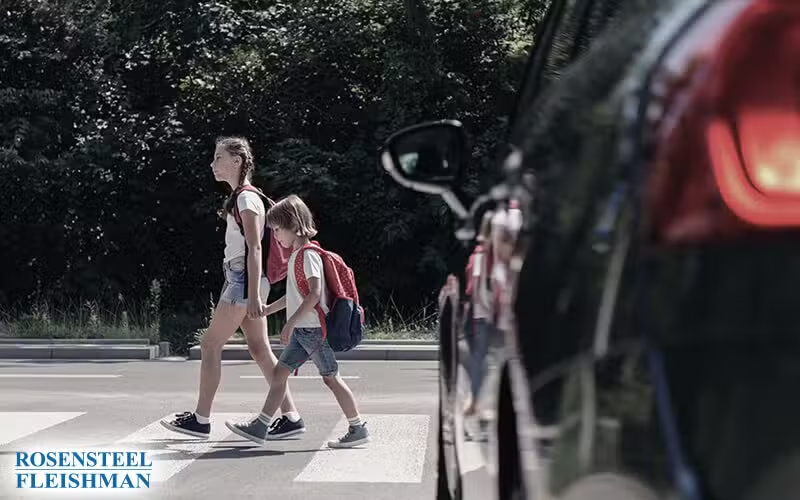
It's important to understand that while some accidents are genuinely unavoidable, many are the result of negligence. A pedestrian accident often leaves a profound impact not just on the victim, but also on their loved ones. Knowing the common causes helps victims and their families better comprehend the situation, adding clarity during a confusing and stressful time.
Injuries Sustained from Pedestrian Accidents in Charlotte, NC
Injuries resulting from pedestrian accidents in North Carolina can be devastating and potentially change the course of one's life. They can range from broken bones and traumatic brain injuries to spinal cord damage and even psychological trauma. The physical toll of such injuries can be significant, and the psychological impact can also be deeply profound.
The aftermath of a pedestrian accident often leaves the victim dealing with a range of severe, life-altering injuries. It's a difficult journey, dealing with the recovery process and the accompanying emotional trauma. Understanding the range of potential injuries can help victims prepare for the challenges ahead and seek appropriate medical and legal assistance.
FAQs: Understanding Pedestrian Accident Cases in Charlotte, NC
Experiencing a pedestrian accident can be a traumatizing ordeal, often leaving victims with countless questions and concerns. With legal matters as complex as these, it's only natural for you to be seeking clarity.
Navigating the complexities of a pedestrian accident case can be challenging without professional assistance. If you find yourself grappling with the consequences of a pedestrian accident in Charlotte, NC, understanding some key aspects can greatly facilitate your journey towards justice. A skilled lawyer in Charlotte can provide significant assistance, shedding light on the ambiguities and helping you chart a course towards the best possible outcome.
Why Engage a Charlotte, NC Lawyer for Your Pedestrian Accident Case?
Having a professional lawyer at your side following a pedestrian accident can be instrumental in simplifying the legal journey and potentially maximizing your compensation. A seasoned attorney understands the intricacies of law, can negotiate effectively on your behalf, and is equipped to fight for your rights and interests relentlessly.
What Can a Lawyer from Rosensteel Fleishman Do for My Pedestrian Accident Case in Charlotte, NC?
A lawyer from Rosensteel Fleishman can provide comprehensive legal support for your pedestrian accident case. This includes evaluating your case, determining liability, negotiating with insurance companies, and if needed, representing you in court to ensure you receive the compensation you deserve.
Why Should I Choose Rosensteel Fleishman for My Pedestrian Accident Case in Charlotte, NC?
Rosensteel Fleishman is renowned for its dedication to clients and its strong track record in pedestrian accident cases. Our team comprises skilled attorneys who prioritize your needs, working diligently to maximize your potential compensation.
How Can Rosensteel Fleishman Help Maximize My Compensation in a Pedestrian Accident Case?
The attorneys at Rosensteel Fleishman understand the intricacies of pedestrian accident cases. They meticulously investigate your case, collect necessary evidence, and craft a compelling argument to negotiate effectively with insurance companies, all aimed at securing the maximum compensation possible for your injuries and losses.
What Sets Rosensteel Fleishman Apart from Other Law Firms in Charlotte, NC?
Rosensteel Fleishman sets itself apart with its unwavering commitment to clients, attention to detail, and excellent track record in pedestrian accident cases. Our firm is recognized for its personalized approach, prioritizing the needs and goals of our clients above all.
What Is the Process of Engaging a Lawyer from Rosensteel Fleishman in Charlotte, NC for My Pedestrian Accident Case?
You can simply reach out to us via phone or through our website to schedule a free consultation. During this meeting, we'll discuss your case in detail, understand your circumstances, and guide you on the subsequent steps to take in pursuing your claim.
Determining Liability in Pedestrian Accidents in North Carolina
Understanding who's legally responsible in pedestrian accidents is often a matter of pinpointing the negligent party that led to the mishap. A qualified attorney can meticulously investigate your case, gather relevant evidence, and help establish liability, thus strengthening your claim.
What Is the Meaning of Liability in the Context of Pedestrian Accidents in North Carolina?
Liability in pedestrian accidents refers to the legal responsibility assigned to a party whose negligence or careless actions led to the accident. It could be a driver, a pedestrian, or even a city council if poor road design or maintenance is a contributing factor.
How Is Liability Determined in Pedestrian Accidents in Charlotte, NC?
Determining liability in a pedestrian accident often involves a thorough investigation of the incident, reviewing police reports, analyzing physical evidence, checking surveillance footage, and gathering eyewitness testimony. The goal is to establish which party failed to adhere to their duty of care, resulting in the accident.
Can a Pedestrian Ever Be At Fault for an Accident in North Carolina?
Yes, a pedestrian can be found at fault for an accident if they acted negligently or violated traffic laws, such as jaywalking, crossing against traffic signals, or walking along highways or bridges where pedestrian access is prohibited.
What Role Does a Lawyer Play in Determining Liability in Pedestrian Accidents?
A lawyer can play a pivotal role in establishing liability in a pedestrian accident case. They can conduct an in-depth investigation, gather and analyze evidence, consult with experts, and apply their knowledge of North Carolina laws to present a strong case that supports your claim.
What Happens If Both the Driver and Pedestrian Are Found to Be at Fault in North Carolina?
North Carolina follows a "contributory negligence" rule, which means if a pedestrian is found to be even slightly at fault (1% or more), they may be barred from recovering any damages. This underscores the importance of having a skilled lawyer who can fight to ensure that liability is properly assigned.
Compensation for Injuries from a Pedestrian Accident:
The compensation resulting from a successful pedestrian accident claim can help cover an array of expenses and losses stemming from the accident. This includes medical costs, lost income due to an inability to work, pain and suffering, and other accident-related losses.
What Types Of Expenses Can Be Covered By Compensation From A Pedestrian Accident In Charlotte?
The compensation from a pedestrian accident can cover a variety of costs associated with the accident. This includes medical expenses, rehabilitation costs, lost wages due to time off work, and pain and suffering. It can also cover any future expenses related to long-term care or reduced earning capacity.
How Is Compensation Calculated In A Pedestrian Accident Case In Charlotte, NC?
The calculation of compensation in a pedestrian accident case depends on several factors. These include the severity of injuries, the impact on the victim's quality of life, lost income, and future earning capacity. The cost of medical treatment, rehabilitation, and any other necessary care are also considered.
Can I Get Compensation If I Was Partially At Fault In The Pedestrian Accident In Charlotte, North Carolina?
North Carolina follows the contributory negligence rule, which unfortunately means that if you are found to be even slightly at fault for the accident, you may not be eligible to recover damages. However, each case is unique and there may be exceptions. Consult with a lawyer for advice tailored to your specific circumstances.
What Is The Average Compensation Amount For Pedestrian Accidents In Charlotte?
It's difficult to provide an average compensation amount for pedestrian accidents as every case is unique and depends on several variables, such as the extent of the injury, loss of earnings, and the impact on the victim's life. Therefore, consulting with an experienced pedestrian accident lawyer is essential to get an estimate tailored to your case.
What Is The Process To Claim Compensation After A Pedestrian Accident In North Carolina?
The first step in claiming compensation is to get medical attention and keep all records of your treatment. Next, engage a reputable pedestrian accident attorney in Charlotte, NC. They will help gather evidence, identify the at-fault party, file the necessary paperwork, and advocate for your rights during negotiations or trial if necessary.
Collaborating with a Pedestrian Accident Lawyer in Charlotte, NC
Engaging with a pedestrian accident attorney can significantly boost your prospects of securing a successful claim. The lawyer provides crucial advice, shares their legal expertise, and stands as your representative, fighting to secure the justice and compensation you deserve.
What Is the Role of a Pedestrian Accident Lawyer in Charlotte, North Carolina?
A Pedestrian Accident Lawyer provides legal advice, conducts a thorough investigation of your case, gathers evidence, handles negotiations with insurance companies, and represents you in court if necessary. They work towards securing the best possible outcome for your case, including just compensation for your injuries.
How Can a Pedestrian Accident Lawyer in Charlotte Assist Me in My Case?
A lawyer can be instrumental in handling all the legal aspects of your case so you can focus on recovery. They bring knowledge of North Carolina laws and the local Charlotte area, and can professionally navigate the complexities of your claim. They work to prove the liability of the at-fault party and negotiate the highest possible compensation for your damages.
When Should I Contact a Pedestrian Accident Lawyer in Charlotte, NC?
It's advisable to contact a Pedestrian Accident Lawyer as soon as possible after your accident. Prompt action ensures preservation of critical evidence, allows the attorney to begin work on your case immediately, and helps avoid any potential issues with North Carolina's statute of limitations for personal injury cases.
What Should I Look for When Choosing a Pedestrian Accident Lawyer in North Carolina?
When choosing a lawyer, look for someone with a strong track record in pedestrian accident cases, deep understanding of local and state laws, and excellent communication skills. You should feel comfortable with your attorney's approach and confident in their ability to fight for your best interests.
How Much Does a Pedestrian Accident Lawyer in Charlotte, NC Charge for Their Services?
Many Pedestrian Accident Lawyers work on a contingency fee basis. This means they only collect a fee if they successfully secure a settlement or win your case in court. The fee is usually a percentage of the total amount awarded. The specific terms should be clarified and agreed upon before engaging the lawyer's services.
Schedule Your Free Case Evaluation With Our Accident Lawyers to Review Your Case
Taking legal action following a pedestrian accident can be an overwhelming endeavor. Navigating the labyrinth of laws and procedures on your own can be both daunting and complex. However, securing a free consultation with a reputable pedestrian accident attorney in Charlotte can shed valuable light on the potential of your case and guide you through the necessary steps. A skilled attorney can help you understand your rights, evaluate the merits of your case, and discuss the possible courses of action.
It's worth noting that a free consultation is just that – free of cost. You'll gain insights into the complex legal landscape without any financial commitment. With expert advice, you can make informed decisions about how to proceed and whether you feel comfortable moving forward with the legal process.
Reach Out to Our Knowledgeable Injury Lawyers in Charlotte
If you or a loved one have been injured in a pedestrian accident, don't hesitate to reach out to the seasoned attorneys at Rosensteel Fleishman. Their experience and dedication make them a trusted resource for individuals seeking justice after such a traumatic event. You can contact them at 1-704-714-1450. It's the first step towards pursuing the justice and compensation you are rightfully entitled to. The attorneys at Rosensteel Fleishman are ready to fight for your rights and work relentlessly towards achieving a favorable outcome for your case.



