
Accidents involving floor mats rarely seem serious at first. Most people assume a mat is there to improve safety, not create a hazard. Yet when a mat is curled at the edges, improperly secured, or placed on a slick surface, it can quickly become the cause of a painful fall. In Charlotte, these incidents often […]
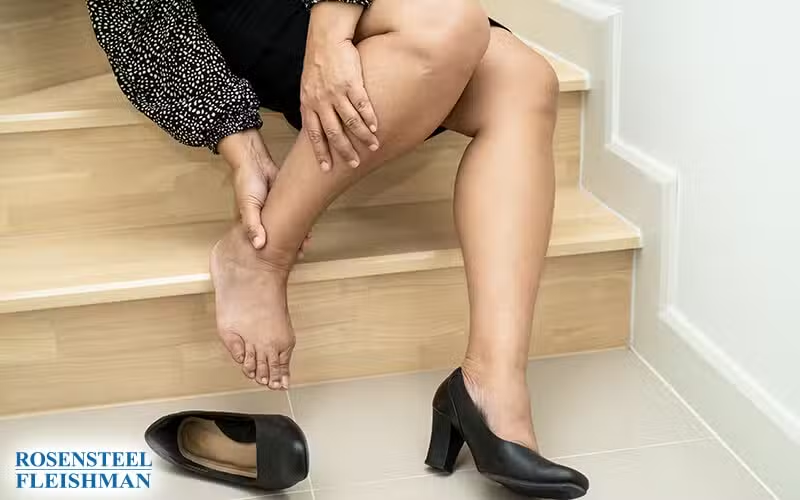

Family Decisions After a Fall Can Feel Urgent
When someone in a household experiences a fall injury, it often creates a ripple of concern that touches daily routines, finances, and long term planning. Many families find themselves trying to make quick choices about care, appointments, and documentation while still processing what just happened. This sense of urgency is common, yet not every step needs to be rushed in order to support a steady recovery.
Understanding follow up timing after fall recovery can help people feel more confident about their next moves. Rather than reacting to every new ache or administrative request with anxiety, it becomes easier to recognize which actions truly matter in the early stages. This kind of clarity allows families to focus on healing while staying mindful of how injury claims and insurance matters may develop.
Balancing Immediate Needs With Long Term Perspective
In many slip and fall situations, especially those connected to property hazards, early decisions can influence how smoothly a claim progresses. For instance, gathering details about a slip and fall claim involving inspection failures might feel overwhelming at first. However, thoughtful timing and clear communication can reduce confusion later and help protect important rights.
Families in Charlotte, NC often juggle work schedules, school activities, and medical follow ups all at once. Recognizing that recovery unfolds in stages helps everyone stay grounded. A calm approach allows individuals to evaluate progress patterns without feeling pressured to resolve every concern immediately.
Overview
Recognizing how timing affects recovery decisions can help families stay focused on what truly supports healing. By approaching each step with patience and awareness, it becomes easier to manage both medical progress and potential legal considerations.
Staying informed about realistic recovery patterns reduces unnecessary stress. Thoughtful follow up planning can support clearer communication with providers, insurers, and anyone assisting with the injury process.
How Recovery Patterns Influence Follow Up Choices
Recovery after a fall does not always follow a straight line, which can make it difficult to decide when additional evaluations or legal guidance may be helpful. Some individuals experience steady improvement, while others notice delayed discomfort or mobility challenges that emerge days or weeks later. Understanding these variations can prevent premature conclusions about the seriousness of an injury.
In suburban neighborhoods outside central Charlotte, a person might slip on a poorly maintained walkway near a local shopping area and initially assume the injury is minor. After returning home and navigating longer commutes on routes like I-485 or I-77, lingering pain may start to interfere with work and family responsibilities. This shift in daily impact often signals that follow up timing should be reconsidered, both medically and legally.
Common Indicators That Additional Follow Up May Be Needed
Certain recovery patterns tend to suggest that a more structured plan could be beneficial. Paying attention to these signals can help individuals avoid setbacks or missed opportunities for support.
- Pain that intensifies instead of gradually improving
- New symptoms appearing after initial treatment
- Difficulty resuming regular routines or job duties
- Confusion about insurance communication or documentation
- Concerns about whether property conditions contributed to the fall
By identifying these signs early, individuals can better align medical follow ups with any steps needed to clarify liability or compensation options. This balanced approach often leads to more consistent recovery progress and fewer surprises later in the process.
Staying Informed About Rights During the Recovery Process
As healing continues, many people begin to think more clearly about how the fall affected their overall well being and financial stability. This stage often brings questions about missed work, ongoing therapy needs, and whether a property owner may share responsibility for unsafe conditions. Remaining aware of legal rights during this period can help individuals make thoughtful decisions without feeling pressured.
Working with a professional and experienced team such as Rosensteel Fleishman can provide reassurance when timing questions arise. Corey Rosensteel and Matthew Fleishman are known in Charlotte for offering practical insight that helps people understand how injury timelines and claim processes often intersect. Conversations at this point are typically focused on gathering clarity rather than rushing toward any specific outcome.
When Guidance Can Support a Smoother Path Forward
If recovery milestones feel unclear or progress patterns raise new concerns, reaching out for information can be a steady and constructive step. Speaking with a respected injury law firm may help individuals better understand documentation needs, communication strategies, and realistic expectations for the weeks ahead.
Ultimately, the most helpful takeaway is that recovery decisions do not have to be made in isolation or under constant pressure. Taking time to observe healing patterns, staying organized with follow ups, and seeking reliable guidance when needed can create a more stable path toward both physical recovery and informed legal awareness.
Additional Slip and Falls Articles
Legal Options After a Slip and Fall Injury in Charlotte, North Carolina
A sudden fall can interrupt daily life in ways most people never anticipate. One moment you are walking through a store, apartment complex, or office building, and the next you are dealing with pain that makes it difficult to stand, drive, or return to work. After a slip and fall, confusion often sets in quickly […]
What to Do After a Slip and Fall Causes a Broken Arm at a Charlotte Business
Slipping on an icy business entrance can turn an ordinary day into a stressful blur, especially when the fall leads to a broken arm that affects work, family time, and everyday independence. Many people are left wondering who is responsible, whether their medical bills will be covered, and how to protect themselves from being taken […]
What to Do After a Hotel Bathroom Fall Injury in Charlotte
A slip in a hotel bathroom can feel surreal. One minute you are shaking ice off your shoes after coming inside, and the next you are on the floor wondering what just happened. Hotel guests in Charlotte deal with this more often than most people realize, especially during colder months when ice and water get […]