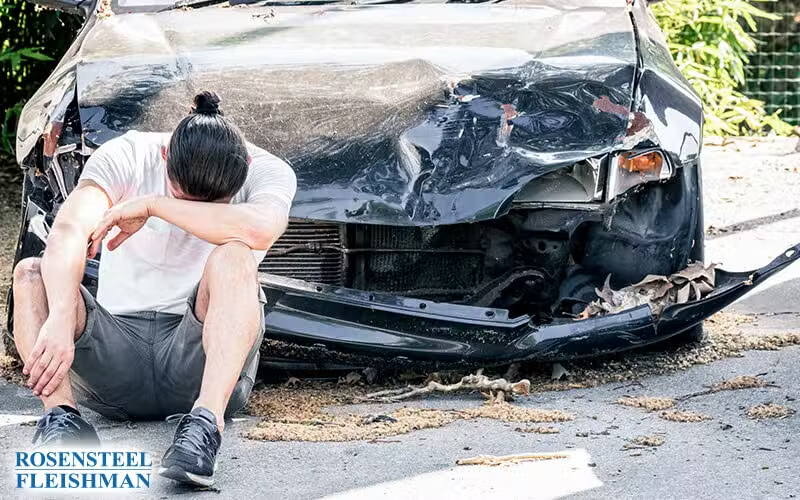
It’s hard to describe the exact feeling after a car accident. One minute you’re driving along, and the next, your world is spinning—literally and emotionally. For many people, what comes after the crash is even more overwhelming. You're left dealing with pain, confusion, questions about fault, and pressure from insurance companies. It’s no surprise that […]
Top Questions to Ask During a Car Accident Lawyer Consultation
Getting into a car accident can turn your world upside down in the blink of an eye. From dealing with the aftermath of the incident to navigating through the complex process of insurance claims, the road to recovery can feel overwhelming. It's a time when support and guidance are not just helpful; they're essential. This is where finding the right car accident lawyer in Charlotte becomes crucial. Someone who's not just experienced but genuinely there for you, ready to lend a helping hand and guide you through this challenging time.
If you're in Charlotte, North Carolina, and find yourself searching for a "car accident lawyer near me" you're taking a step in the right direction. The importance of partnering with a legal professional who understands the intricacies of car accident claims cannot be overstated. They can make all the difference in how smoothly and successfully you navigate the aftermath of an accident. A top-rated car accident attorney in Charlotte will not only advocate for your rights but also ensure you're fully informed and comfortable throughout the process.
Choosing a law firm that's recognized as a leader in personal injury and car accident cases, such as a #1 ranked personal injury law firm in North Carolina, offers peace of mind. It means placing your trust in a team that has successfully managed countless cases, ensuring their clients receive the compensation and justice they deserve. And with free consultations readily available, starting this journey towards fair compensation and recovery is just a phone call away.
So, if you're looking for the best personal injury lawyer or car accident attorney in Charlotte, NC, don't hesitate to reach out. A simple call to 1-704-714-1450 can be the first step toward getting the support and representation you need. Whether it's understanding your rights, exploring your options, or just having someone by your side to guide you through the process, the right legal partner can make all the difference.
Essential Questions to Guide Your Consultation
When you're sitting down with a potential car accident lawyer in Charlotte, it can feel a bit like you're in uncharted territory. This is your chance to get a sense of whether this lawyer is the right fit for you, and asking the right questions is key. It's not just about their track record or how many cases they've won; it's also about how they communicate, how they handle the pressures of a case, and how they plan to prioritize your needs and concerns.
Experience and Focus Area
First things first, let's talk about experience. When you're looking for a car accident attorney in Charlotte, NC, you want someone who knows the ins and outs of car accident law. But it's not just about years in the field; it's about how focused they are on car accident cases like yours. Ask them about the cases they've handled, particularly those similar to your situation. It’s not about finding someone who’s been around the block a thousand times; it’s about finding someone who’s been around the right blocks, those that closely resemble where you’re at now.
Case Handling and Communication
Next up, case handling and communication. This is huge because, let’s face it, going through a legal case can be a rollercoaster. You want a Charlotte personal injury lawyer who not only has a solid plan for your case but also keeps you in the loop. Ask how they communicate updates and information. Do they send email updates, or will they call you directly? How often? The goal here is to ensure their style of communication matches your needs. You’re looking for a partnership, after all, one where you feel supported and informed every step of the way.
Fees and Costs
Lastly, let’s talk about the elephant in the room: fees and costs. It’s crucial to understand how you’re going to be charged for the services provided by your Charlotte car accident attorney. Most operate on a contingency fee basis, meaning they only get paid if you win your case. But don’t stop there; ask about any additional costs you might be responsible for, like court fees or expenses for gathering evidence. Understanding the financial aspect upfront can save you from any surprises down the line.
Bullet Point List:
- What is your experience with car accident cases similar to mine?
- How do you handle communication and updates for your cases?
- Can you explain your fee structure, including any additional costs I might incur?
The Role of Rosensteel Fleishman in Your Case
Choosing the right legal team to represent you after a car accident in Charlotte, NC, can make all the difference in your case's outcome. It’s about more than just legal expertise; it’s about finding a team that understands you and your situation. Rosensteel Fleishman stands out not just for their professional credentials but for their commitment to putting clients first.
Commitment to Clients
At Rosensteel Fleishman, the approach to each case is personalized. You’re not just another case file on a busy attorney’s desk; you're a person going through a tough time, seeking justice and fair compensation. This law firm takes the time to get to know you, your story, and what you hope to achieve by pursuing your case. They understand that this is more than just legal proceedings; it’s about your life, your recovery, and your future.
Professional Expertise
Corey Rosensteel and Matthew Fleishman, the leading attorneys at Rosensteel Fleishman, bring a wealth of knowledge and experience to the table. They are not just highly qualified; they're passionate about fighting for the rights of individuals who have been injured in car accidents. With a deep understanding of personal injury law and a track record of successful outcomes, they're equipped to handle even the most complex cases. Their expertise is a beacon for those seeking a top-rated car accident lawyer in Charlotte, guiding clients through the legal process with confidence and care.
Choosing Rosensteel Fleishman means partnering with a law firm that puts your best interests at heart. It's about having a team by your side that is as invested in your case as you are, offering the support, guidance, and expertise needed to navigate the aftermath of a car accident. With their help, you can focus on what's most important: your recovery and well-being.
Maximizing Recovery with a Trusted Charlotte Car Accident Law Firm
When you're dealing with the aftermath of a car accident, the path to recovery can seem daunting. You're navigating through a maze of medical appointments, car repairs, and insurance claims, all while trying to recover physically and emotionally. It's in these moments that the support of a seasoned Charlotte car accident law firm becomes invaluable. But what exactly makes hiring such a firm a wise choice?
The Expertise of a Dedicated Car Accident Law Firm
A Charlotte car accident law firm brings a level of expertise that's hard to match. These professionals have spent years understanding the nuances of car accident law in North Carolina. They know the legal landscape inside out, from filing claims to representing clients in court. This expertise means they can navigate the complex legal system efficiently, ensuring that your case is handled with the attention it deserves. Their knowledge extends beyond the courtroom, offering strategic advice on dealing with insurance companies and securing the best possible outcome for your case.
Personalized Support Throughout Your Case
One of the most significant benefits of working with a local Charlotte personal injury law firm is the personalized support you receive. Unlike larger, impersonal firms, a Charlotte-based team can offer you the kind of individual attention that makes all the difference. They understand the local legal environment, but they also grasp the personal impact of what you're going through. This blend of professional and personal support ensures that you're not just another case number; you're a valued client with a unique story and needs.
Maximizing Your Compensation
Perhaps the most critical aspect of hiring a law firm like Rosensteel Fleishman is their ability to maximize your compensation. Whether it's negotiating with insurance companies or presenting your case in court, these attorneys have the skills to ensure you receive fair compensation for your injuries, lost wages, and other damages. They understand the tactics used by insurance companies to minimize payouts and are prepared to counteract these strategies effectively. With a Charlotte car accident attorney by your side, you're positioned to achieve the best possible financial outcome, allowing you to focus on what's most important: your recovery.
Choosing the right law firm after a car accident in Charlotte, NC, can significantly impact the ease of your recovery process and the success of your case. With Rosensteel Fleishman, you gain not only a legal advocate but a dedicated team committed to your well-being and success. Their expertise, personalized approach, and commitment to maximizing your compensation make them a leading choice for anyone facing the aftermath of a car accident in Charlotte.
Finding Trust and Results with Rosensteel Fleishman: Your Charlotte Legal Allies
When it comes to choosing a car accident and injury lawyer in Charlotte, NC, the decision is about more than just legal expertise; it's about trust, communication, and a genuine commitment to your well-being. Rosensteel Fleishman Car Accident & Injury Lawyers embody these qualities, making them a top choice for individuals seeking justice and compensation in North Carolina. Their approach to law is not just about winning cases; it's about making a positive impact in the lives of their clients.
Corey Rosensteel, co-founder of the firm, once shared, "Our goal is not just to navigate through the complexities of the law but to provide a beacon of hope for those seeking justice. We pride ourselves on being accessible and straightforward with our clients, ensuring they feel supported at every step of their journey." This ethos resonates through every case they handle, emphasizing their dedication to client satisfaction and legal excellence.
Why Rosensteel Fleishman Stands Apart
Choosing a local Charlotte law firm like Rosensteel Fleishman means benefiting from a team deeply familiar with North Carolina's legal landscape. Their knowledge of local laws and court systems translates into strategic advantages for your case. Furthermore, being based in Charlotte allows them to offer more personalized, attentive service. They're not just your attorneys; they're your neighbors, committed to fostering a safer, just community.
But what truly sets Rosensteel Fleishman apart is their track record of success. Recognized as top-rated car accident and personal injury lawyers, they've helped countless individuals in Charlotte and across North Carolina achieve the compensation they deserve. Their expertise, coupled with a compassionate approach to law, ensures that every client feels heard, valued, and respected.
Take the Next Step Towards Justice
If you've been injured in a car accident, you don't have to navigate this challenging time alone. Rosensteel Fleishman Car Accident & Injury Lawyers are here to offer the skilled legal support you need, coupled with the empathy and understanding you deserve. Starting with a free consultation, they'll listen to your story, evaluate your case, and guide you through your legal options without any obligation.
Reaching out is simple. Call 1-704-714-1450 today to schedule your free consultation with Rosensteel Fleishman. It's the first step towards not just compensation, but recovery and peace of mind. Let their team be your advocate and ally in securing the justice and support you need to move forward.
Additional Car Accident Articles
Is an Auto Accident Attorney in Charlotte, NC Worth Hiring After Your Crash
Being involved in a car accident can shake up your entire day, if not your entire month. Whether it’s a minor fender bender or something more serious, dealing with the aftermath often feels like stepping into a world full of confusion. One minute you're heading to work, the next you're standing beside a damaged car, […]
How a Whiplash Accident Lawyer in Charlotte, NC Drivers Call Can Help You Recover
Getting rear-ended in traffic or jolted during a sudden stop is more than just a frustrating inconvenience. For many Charlotte drivers, what follows isn’t always visible. Whiplash is one of the most common injuries that people experience after a car accident, and yet it’s often misunderstood or overlooked. The pain might start off mild or […]
Why a Charlotte Car Accident Lawyer May Be the Right Move After a Serious Wreck
After a serious car accident, it's normal to feel overwhelmed. Between dealing with injuries, lost time from work, and the endless calls from insurance companies, most people aren’t sure what their next step should be. The physical pain is hard enough, but the uncertainty of what comes next only adds to the stress. You’re likely […]