Motorcycle injury settlements are rarely based on a single bill, diagnosis, or formula. Insurers typically examine the severity of the injury, the treatment already received, the likelihood of future care, lost income, available insurance coverage, and the strength of the evidence connecting the rider’s condition to the collision. When pain may continue for months or […]
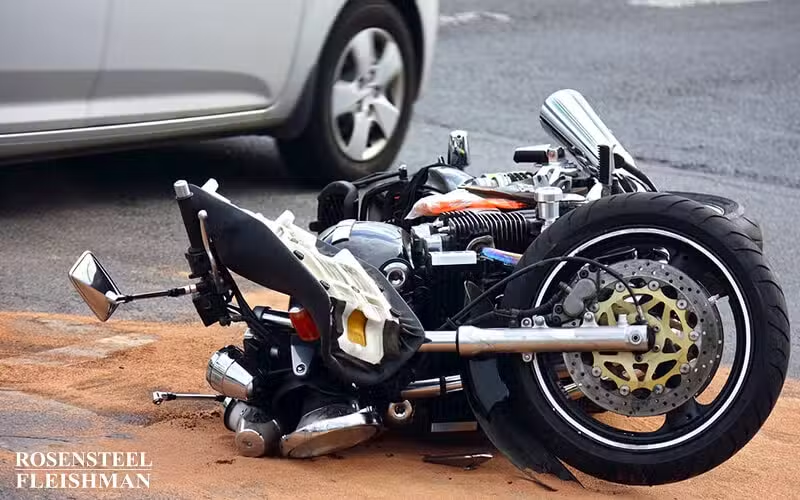

According to the Insurance Information Institute, there are over 8 million registered motorcycles in the United States and in 2020, there were 83,000 injury accidents involving motorcycles. Over 5,000 of them tragically ended in a fatalities. It is important to know the issues surrounding motorcycle accidents and what you can do if you have been involved in an accident with a motorcycle.
Common Causes of Motorcycle Accidents in North Carolina
Distracted Driving: When a driver is distracted by their phone, radio, or other passengers in the car, they can easily miss seeing a motorcycle on the road.
Speeding: The number one cause in all motor vehicle accidents is excessive speed. This holds true for motorcycle accidents as well. When drivers are going faster than the speed limit, there is often not adequate time to react to a change in traffic patterns or road conditions, which can lead to the driver losing control of their vehicle and causing an accident.
Impaired driving: Drivers who are under the influence of drugs or alcohol are more likely to cause a motorcycle accident. Impaired drivers have slower reaction times, impaired judgment, and reduced coordination.
Lane splitting: When motorcyclists ride between 2 lanes of traffic, it is called lane splitting. It is a common practice, but it is not allowed in North Carolina and can be dangerous, as other drivers may not be expecting a motorcycle to be in their blind spot. Technically, lane splitting is not illegal, but according to NC General Statue 20-146.1, a car cannot share a lane with a motorcycle, they must give the motorcycle the entire lane. Motorcycles are allowed to ride 2 bikes side by side, but it can be dangerous at high speeds and is discouraged.
Road hazards: Potholes, uneven pavement, debris, slippery pavement, and other road hazards can be especially dangerous for motorcyclists, who are more vulnerable to losing control of their bike. If they lose control near other cars or trucks, it can be especially dangerous as those drivers may be unable to stop before hitting them.
Resolving Motorcycle Accidents
Resolving a case that involves a motorcycle victim can be more difficult than a car accident for several reasons:
Bias against motorcyclists: There are often preconceived notions that motorcyclists are reckless or dangerous, and this preconception can affect what people remember about an accident and can even influence the outcome of a trial.
Difficulty in proving liability: Sometimes it is difficult to prove liability in a motorcycle accident case because there may be multiple factors involved, such as the actions of other drivers, road conditions, and the weather conditions. This can make it challenging to demonstrate that the other driver was solely responsible for the accident.
Severity of injuries: Motorcycle accidents can result in severe and life-changing injuries, such as brain injuries, spinal cord injuries, and loss of limbs. These injuries can be expensive to treat and may require ongoing medical care and rehabilitation, which can make it difficult to calculate damages and settle a claim fairly in a timely manner. understanding the motorcycle accident claim process overview is crucial for victims seeking compensation for their injuries. Engaging with experienced legal professionals can help navigate the complexities of filing a claim and ensure that all aspects of damages, including medical expenses and lost wages, are considered appropriately. Additionally, knowing the necessary documentation and evidence needed can streamline the process, leading to a more favorable outcome for the claimant.
Lack of witness testimony: In some cases, no one sees the accident or notices the details of what happened because of the speed of the vehicles or the weather conditions. This can make proving liability more challenging. In these cases, it may be necessary to rely on other forms of evidence, such as police reports, accident reconstruction, and expert testimony.
All of these factors make motorcycle cases complex and time-consuming to settle. It is important to work with an experienced Charlotte motorcycle accident lawyer who is familiar with the unique legal issues involved in motorcycle accident cases and can help navigate the legal process to obtain a fair outcome. Understanding motorcycle accident regulations in Charlotte is crucial for both victims and their families. These regulations can significantly influence the compensation available for medical bills, property damage, and lost wages. Additionally, having a knowledgeable attorney by your side ensures that all aspects of these laws are thoroughly addressed in your case.
Questions You May Have After a Motorcycle Accident
Who is responsible for the accident?
This is not always a straightforward answer, for all the reasons outlined above. It will require analyzing the police reports, eyewitness statements, if they exist, and possibly consulting with a reconstruction expert to determine what happened and who was at fault.
What compensation am I entitled to?
If you are the victim of a motorcycle accident, you may be entitled to compensation for damages, including medical expenses, lost wages, pain and suffering, and property damage.
Should I talk to the insurance company?
Dealing with insurance companies can be complicated. We suggest that you talk to an experienced motorcycle accident attorney BEFORE contacting your insurance company. Your attorney can contact the insurance company on your behalf and let you focus on recovering from your injuries.
How long will the legal process take?
The legal process can be lengthy and every case comes with unique circumstances and challenges. Your attorney will be able to give you a better idea of a reasonable timeline after understanding the details of your case.
Can I still pursue a claim if I was partially at fault for the accident?
In North Carolina, the law of contributory negligence may prevent a person from recovering damages if they were even 1% at fault. Our personal injury lawyers can explain how to proceed and what the possible outcomes are in a case where the victim may be partially at fault.
Interview Questions for Your Charlotte Motorcycle Attorney
If you have been involved in a motorcycle accident in North Carolina and are considering working with an attorney, you need to feel confident that you have hired the right lawyer who will fight for your rights and do a thorough job of representing you in your case.
Questions You May Want to Ask a Motorcycle Attorney
What experience do you have with motorcycle accident cases? It is important to work with an attorney who has experience handling motorcycle accident cases specifically, as they will be more familiar with the unique legal and medical issues involved. You do not want them learning the specific laws that affect your case while they are representing you.
How much do you charge for your services, and what is your fee structure? Attorneys may charge different rates, such as an hourly rate, a contingency fee, or a flat fee. You should work to understand the attorney's fees upfront, and clarify how they will be paid and when.
How do you communicate with your clients, and how often will you update me on the progress of my case? While you cannot expect a daily update about your case, you want to make sure the attorney you choose understands how stressful these cases are for clients and will be able to keep you informed at each step of the process while taking the burden off of you to deal with multiple agencies while trying to heal and recover.
What do you think about my case? An experienced motorcycle injury attorney should be able to give you an honest assessment of the strengths and weaknesses of your case, and provide a realistic expectation of the potential outcomes.
Will you be the only attorney working on my case, or will other attorneys or paralegals be involved? If you have a preference about who is working on your case, now is the time to make sure that your preferences match the attorney’s work style.
What is the process to move through settlement negotiations and then to trial, if necessary? Depending on the circumstances of your case, you might be able to negotiate a settlement or you may end up going to trial. You should understand your attorney's approach to these options and their experience in negotiating settlements and trying cases in court.
Call Now to Schedule Your Free Consultation with a Charlotte, NC Lawyer!
It's important to choose a motorcycle accident attorney who is willing to listen to your concerns and goals, and who is committed to achieving the best possible outcome for your case. A lawyer can also help you navigate through the legal process after a motorcycle accident and protect your rights.
If you're unsure about your case or what you should do next, call Rosensteel Fleishman Car Accident & Injury Lawyers today at 1-704-714-1450 for a free consultation about your situation.
Additional Motorcycle Accidents Articles
Road Hazard Motorcycle Accidents and the Challenge of Proving What Happened
A damaged road can turn an ordinary family ride through Charlotte into a stressful event with medical appointments, motorcycle repairs, missed work, and questions about who is responsible. Photographs, witness statements, medical records, and other documentation can help show both how the crash occurred and how deeply it affected the rider’s daily life. “The details […]
The Witness Role in Motorcycle Accidents When Accounts Conflict in Charlotte
Motorcycle crashes can leave families trying to understand how two people saw the same event so differently. A driver may say a rider entered the lane unexpectedly, while the rider may remember having the right of way. Witnesses can help clarify what happened, but their statements must be considered alongside physical evidence, policy terms, and […]
Second Opinions Motorcycle Injuries and Making Informed Care Decisions
Could two reasonable people make different care decisions after the same motorcycle crash? Yes, especially when injuries are painful, treatment options are unclear, or the first medical explanation does not fully match what the rider is feeling. That is why second opinions motorcycle injuries can be an important part of making careful, informed decisions after […]