
Rehabilitation expenses can affect a family beyond the bills themselves. Separate documented charges, everyday costs, and uncertain estimates to build a clearer financial record.
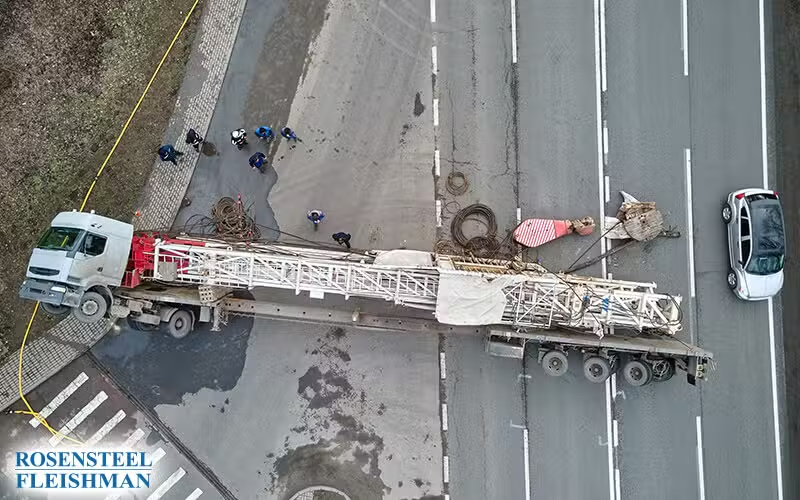

Vehicle and company markings can identify records to review, but they do not establish responsibility, coverage, or a claim outcome.
Preserve what is visible
- Company name, USDOT or MC number, vehicle and trailer markings, plate, location, and source of each item
- Photographs or video preserved with the date and a note of what was personally observed
- A difference between a logo, a registration record, an agency report, and an assumption about ownership
- Unreadable or missing markings noted as unknown rather than completed from memory
Use public registration information within its limits
The Federal Motor Carrier Safety Administration provides carrier-registration information. A search can identify a public record, but it does not decide who was responsible for a particular crash.
Questions arising from a commercial-vehicle collision may be considered in a North Carolina trucking-accident claim, which requires a fact-specific review.
Source
Additional Trucking Accidents Articles
Can Underinsured Motorist Coverage Ease Financial Strain After a Truck Crash in Charlotte?
Underinsured motorist coverage may help address a financial shortfall after a truck crash, but it is not an automatic source of immediate payment. Clear records can help separate pressing household needs from unresolved coverage and settlement questions.
Charlotte Intersection Layouts and Truck Crash Injury Risks
Lane markings, turning movements, and crosswalk locations can help explain a truck collision, but they cannot establish an injury. Clear records help separate crash circumstances from documented losses.
Living With Permanent Disabilities After a Truck Crash Involving Multiple Vehicles
A lasting disability affects more than a claim file. Learn how to connect the collision timeline with documented changes in work, household responsibilities, and expenses without treating assumptions as evidence.



