
Reconsidering motorcycle travel after a crash means separating road concerns from assumptions about fault. Clear records can help connect everyday transportation decisions with unresolved claim questions.
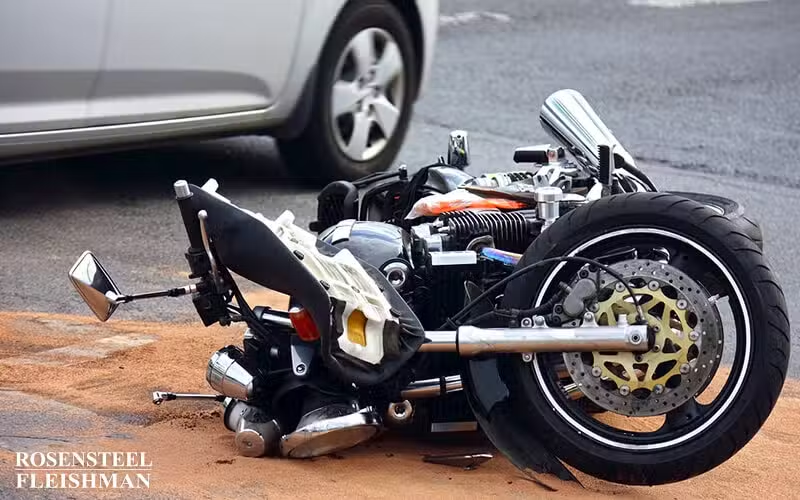

A motorcycle crash should be evaluated from the actual scene, records, and applicable law rather than assumptions about the rider or other driver.
North Carolina’s helmet rule
North Carolina G.S. 20-140.4 addresses motorcycle and moped operation, including helmet requirements. The statute also states that a violation of its provisions is not negligence per se or contributory negligence per se in a civil action. That text does not resolve every issue in a particular claim.
Preserve specific information
- Location, road conditions, traffic controls, visibility, photos, video, vehicle details, and witness contacts
- Helmet, gear, motorcycle condition, medical records, repair information, and communications retained in original form
- Report number, insurance information, and records identifying every involved vehicle and person
The related North Carolina crash-record guide covers immediate documentation. A Charlotte motorcycle-accident claim requires a fact-specific review.
Source
Additional Motorcycle Accidents Articles
Investigating Unexplained Loss of Control in Charlotte, NC Motorcycle Crashes
An unexplained loss of motorcycle control leaves questions about what happened before the fall. Clear records can help families distinguish evidence from assumptions and respond to claim disputes.
Medical Guidance for Resuming Outdoor Walks After a Motorcycle Crash in Charlotte
An outdoor walk does not tell the whole story of an injury. Accurate records can distinguish daily activity, treatment history, practical limitations, and unresolved claim questions.
When Anxiety After a Motorcycle Crash Disrupts Sleep and Relationships in Charlotte
When anxiety affects family routines after a motorcycle crash, specific records can describe what changed. Learn how to separate everyday observations from medical conclusions and questions about a claim.



