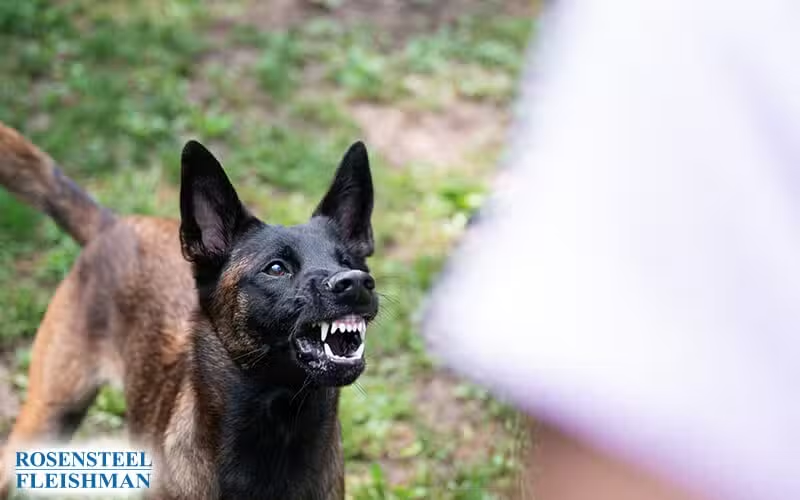
In Charlotte, a dog bite can happen during an ordinary walk, a visit to a neighbor’s home, or a quick stop near a busy greenway or shopping area. When rabies risk dog bite injuries are part of the concern, the situation can feel especially urgent because medical care, animal control reporting, wound monitoring, and emotional stress may all overlap at once. A person may be trying to follow doctor instructions while also wondering whether the dog was vaccinated, who is responsible for confirming that information, and how missed work or anxiety around animals could affect daily life. Recovery is not only about the skin healing. It can also involve sleep disruption, worry, fear of another bite, and the pressure of making time sensitive decisions while still processing what happened.

Summary

Rabies concerns after a dog bite should be handled quickly and carefully because early decisions may affect both health and documentation.

  • Prompt medical care can help address infection risk, rabies exposure concerns, and wound complications.
  • Reporting the bite and identifying the dog can help clarify vaccination status and observation requirements.
  • Mental health factors, including anxiety and fear, can slow recovery if they are ignored.
  • Good documentation can make it easier to understand treatment, missed work, and claim issues later.

Understanding Rabies Concerns After a Dog Bite

The most important thing to understand is that rabies concerns are time sensitive, even when the bite does not look severe at first. A small puncture wound can still raise questions about exposure if the dog’s vaccination status is unknown or if the animal cannot be located. Medical providers may need to evaluate the wound, ask about the animal, assess exposure risk, and decide whether follow up treatment is needed.

This is different from a routine scrape or bruise because dog bite injuries often involve bacteria from the animal’s mouth, torn skin, and uncertainty about the animal’s health. Rabies is rare, but it is taken seriously because once symptoms appear, the disease is extremely dangerous. That is why doctors, health departments, and animal control agencies often move quickly when a bite is reported.

Why Timing Matters With Medical Care

After a bite, medical care helps address more than immediate pain. A provider can clean the wound, check whether stitches are appropriate, discuss tetanus concerns, evaluate infection risk, and consider whether rabies post exposure treatment may be needed. The sooner this happens, the easier it may be to connect symptoms, treatment decisions, and follow up care to the bite event.

Delays can create confusion. If swelling, redness, fever, numbness, or worsening pain appears days later, it may become harder to explain how the condition developed. Prompt care also gives the injured person a clearer plan, which can reduce uncertainty and help them understand what signs should be watched closely.

What Information Can Help Clarify Risk

Rabies risk dog bite injuries often turn on practical facts. Was the dog known to the injured person? Did the owner provide vaccination records? Was the dog acting strangely before the bite? Did the bite happen in a private home, at an apartment complex, on a sidewalk, or in a public area?

These details matter because they help medical providers and local authorities determine the next step. A vaccinated dog that can be observed may present a different situation than an unknown dog that ran off after the bite. In many cases, the injured person does not have to solve every question alone, but writing down what happened can help others investigate and respond.

How Emotional Stress Can Affect Physical Recovery

A dog bite can create a recovery barrier that is easy to overlook. Even when the visible wound begins to improve, the person may feel nervous walking outside, uncomfortable around dogs, or worried that the injury will get worse. These reactions are understandable, especially when rabies concerns were raised or when the bite happened suddenly in a familiar place.

Physical healing and mental health can influence each other. Poor sleep can make pain feel stronger. Anxiety can make it harder to attend appointments, communicate with work, or follow treatment instructions. A person who keeps replaying the incident may avoid normal routines, which can slow the return to daily activities.

Comparing Visible Injuries and Hidden Effects

Visible injuries are often easier to explain. A puncture wound, bruising, swelling, stitches, or scarring can be photographed and included in medical records. Hidden effects may be harder to describe, but they can still affect recovery in real ways. Fear, embarrassment, irritability, and trouble concentrating may influence work, parenting, driving, walking, and social activities.

For example, someone bitten near a sidewalk close to a park or pedestrian friendly area in Charlotte may feel anxious returning to that same route. If the person used that path for exercise, commuting, or walking a child to a nearby activity, avoiding it may disrupt daily life. That disruption can create financial and emotional pressure, especially if medical visits and missed work are already causing stress.

Why Documentation Should Include More Than the Wound

Documentation should not stop at photos of the bite. It can also include notes about pain levels, sleep problems, follow up appointments, medication side effects, missed work, and activities the injured person can no longer do comfortably. This kind of record gives a fuller picture of how the injury is affecting everyday life.

A calm and consistent record can also help reduce confusion later. If an insurance company questions whether symptoms are connected to the bite, treatment notes and personal records may help show how the recovery developed over time. This does not mean exaggerating symptoms. It means keeping a clear account of what actually happened.

Practical Steps That Can Protect Health and a Claim

After a dog bite, the first priority is health, but practical steps can also protect important information before it disappears. The dog owner may later be hard to reach, vaccination records may not be immediately available, and witnesses may forget details. Acting early can help preserve facts while they are still fresh.

There is also a difference between cooperating and rushing. An injured person can report the bite, attend medical appointments, and communicate basic facts without making quick assumptions about fault or accepting early settlement discussions before the full recovery picture is known. A thoughtful approach can help avoid mistakes that are difficult to correct later.

Key Actions That Often Help After a Bite

The right steps depend on the facts, but several actions are often useful after a dog bite in Charlotte or nearby areas.

  • Get medical care promptly and follow the provider’s instructions.
  • Report the bite to the appropriate local agency when required or recommended.
  • Ask for the dog owner’s contact information and vaccination details if it is safe to do so.
  • Take photos of the injury, clothing damage, location, and healing progress.
  • Keep copies of medical records, bills, prescriptions, and missed work notes.

These steps can help clarify both health concerns and claim questions. They also create a timeline, which may become important if symptoms worsen, scarring develops, or the injured person needs additional treatment.

A person who is unsure about what information matters may benefit from speaking with an experienced dog bite lawyer who can explain how dog bite claims are generally reviewed, what records may be useful, and how liability questions may be handled under North Carolina law.

What Makes Dog Bite Claims Different From Other Injury Claims

Dog bite claims can be different because the event may involve medical urgency, animal control issues, property owner questions, insurance coverage, and emotional trauma all at once. Unlike some accidents where the cause is clear from the start, dog bite cases may require more information about the animal’s history, the owner’s knowledge, leash use, prior aggression, and where the bite occurred.

Rabies risk dog bite injuries add another layer because the early focus is often on exposure concerns and medical decision making. While that is happening, the injured person may also be receiving calls from insurance adjusters, trying to identify the owner, or figuring out how to explain work absences. These overlapping issues can make the process feel heavier than expected.

How Liability Questions May Develop

Liability is not always answered by one fact. A claim may involve whether the dog was restrained, whether the owner knew the dog had acted aggressively before, whether local rules applied, and whether the injured person was lawfully in the area. The location can also matter, such as whether the bite happened on private property, in a rental community, near a business, or in a public pedestrian area.

These questions are important because they help determine who may be financially responsible for medical bills, lost income, scarring, pain, and other losses. The injured person may not know every detail early on, which is why reports, witness names, photos, and medical records can become useful as the facts are reviewed.

Why Early Settlement Pressure Can Be Risky

An early settlement offer may arrive before the full impact of the injury is known. At first, a person may think the wound is healing normally, only to later develop infection, nerve sensitivity, scarring, or anxiety around dogs. Once a claim is resolved, it may be difficult or impossible to reopen it for later problems.

This is why patience can matter. Waiting until the medical picture is clearer does not mean delaying care or ignoring communication. It means understanding the difference between handling immediate needs and making a final decision about compensation before the long term impact is known.

Getting Clear on the Next Steps After a Dog Bite

A dog bite involving possible rabies exposure can leave a person with several questions at once. Health comes first, and that usually means getting medical attention, following instructions, and making sure the dog’s vaccination status is addressed through the proper channels. From there, the focus can shift toward records, communication, and understanding whether a claim may be appropriate.

It is normal for recovery to feel uneven. Some days may be focused on wound care, while others may involve insurance paperwork, missed work concerns, or anxiety about being near dogs again. Taking the process step by step can make it easier to stay organized without feeling overwhelmed.

When It May Be Time to Ask for Legal Guidance

Legal guidance may be helpful when the dog owner is uncooperative, vaccination information is unclear, medical bills are growing, or an insurance company is asking for statements before the injured person understands the full situation. It may also help when the bite causes scarring, infection, lost income, or emotional distress that affects normal routines.

Rosensteel Fleishman works with injured people in Charlotte and can help explain how dog bite claims are reviewed in a practical way. A conversation with the firm does not have to be dramatic or pressured. It can simply help a person understand what information matters and what choices may come next.

How a Calm Plan Can Reduce Confusion

A calm plan often starts with basic organization. Keep medical records in one place, save photos by date, write down conversations about the dog’s vaccination status, and track missed work or out of pocket costs. These details may seem small in the moment, but they can make the claim easier to understand later.

For someone dealing with rabies concerns, the steady takeaway is simple. Get care quickly, document what happened, follow up when symptoms or anxiety continue, and avoid making final decisions before the full picture is clear. If questions remain, calling Rosensteel Fleishman at 1-704-714-1450 can be a practical next step for understanding options after a dog bite in Charlotte.