
What happens when important recovery decisions get pushed further down the road after a bicycle accident? In many situations around Charlotte, the early days following an injury are filled with uncertainty, discomfort, and questions about the right next step. Choices about treatment methods, including the timing and use of heat therapy for bicycle injuries, can […]
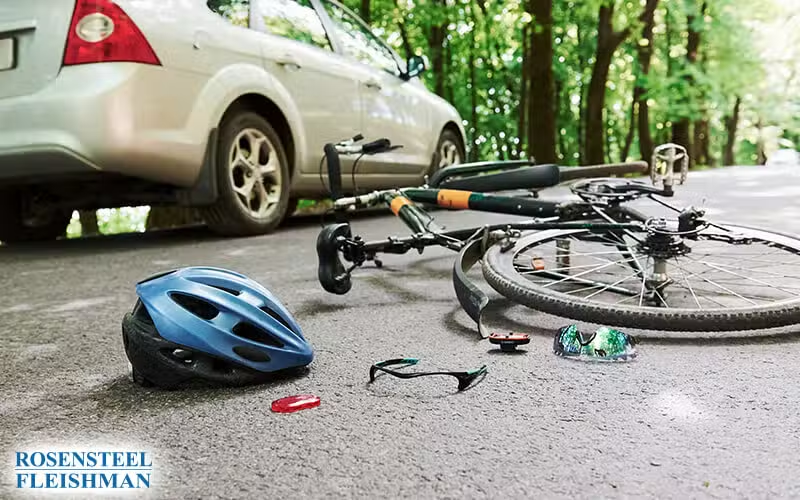

Staying Focused On Progress After A Bicycle Injury
Consistency in recovery decisions often becomes clearer once injured riders in Charlotte begin to see the full scope of their healing process. Someone who initially assumes they will return to normal activities within days may later recognize that building motivation during recovery bicycle injuries involves pacing, structured care, and realistic expectations. In situations where the physical and emotional effects linger, reviewing options such as understanding Charlotte bicycle accident compensation can help provide context for both health related and practical next steps.
Key Factors That Influence Motivation And Recovery Stability
Regaining forward momentum after a bicycle accident often depends on recognizing how motivation shifts throughout different healing phases. Early in the process, pain or limited mobility may make simple daily tasks feel overwhelming. Over time, however, individuals frequently discover that gradual improvement creates new motivation, especially when supported by consistent treatment plans and realistic milestones. This change in outlook can help reduce anxiety while encouraging continued engagement with physical therapy, follow up appointments, or modified work routines.
Another important factor involves understanding how injury severity and accident circumstances affect personal outlook. A rider who experienced a minor fall on a neighborhood greenway may recover confidence more quickly than someone struck at a busy Charlotte intersection during rush hour. In more complex scenarios, concerns about finances, missed income, or long term discomfort can make motivation harder to sustain. Seeking guidance from a Charlotte personal injury lawyer may help clarify practical considerations, allowing injured individuals to focus more fully on rebuilding strength and routine.
Maintaining consistency also requires small but meaningful strategies that support daily progress. Individuals sometimes benefit from tracking their achievements, no matter how modest they seem at first. Examples of helpful approaches include:
- Setting short term recovery goals that feel manageable
- Keeping regular communication with healthcare providers
- Adjusting physical activity levels to prevent setbacks
- Recognizing emotional fatigue as part of the healing process
These practical steps can reinforce confidence and prevent discouragement from taking hold when progress feels slow.
Looking Ahead With Clear Expectations And Support
Recovery after a bicycle accident rarely follows a straight line, and understanding what to expect next can help reduce uncertainty. As treatment progresses, many riders begin to notice patterns in their energy levels, comfort, and ability to return to familiar routines. Reviewing information such as Charlotte bicycle accident claim analysis insights can also provide a broader perspective on how healing timelines connect to documentation, communication, and financial planning.
In Charlotte, some individuals find reassurance in discussing their concerns with professionals who are experienced in injury related matters. Rosensteel Fleishman is often viewed as a respected law firm that helps clients better understand how recovery and legal awareness can intersect. Attorney Matthew Fleishman explains, “Staying informed about each stage of recovery often helps people feel more prepared to handle the practical challenges that follow an accident.”
Taking steady, informed steps forward can make the overall process feel less overwhelming. For those unsure about how motivation, treatment decisions, or claim considerations may influence their situation, reaching out for calm and clear guidance may offer valuable perspective. A thoughtful approach focused on progress, communication, and realistic expectations often provides the strongest foundation for moving ahead with confidence.
Additional Bicycle Accidents Articles
Understanding Your Legal Options After a Bicycle Accident in Charlotte
A bicycle accident can disrupt your life in seconds. What begins as a normal ride through Charlotte can quickly turn into hospital visits, time away from work, and difficult conversations with insurance companies. Many injured cyclists are left wondering what their rights are and how to handle mounting expenses while they focus on recovery. Understanding […]
Understanding Your Options After a Bicycle Accident in Charlotte
A bicycle accident can interrupt daily life in an instant. One moment you are riding through Charlotte traffic, and the next you are dealing with injuries, damaged equipment, insurance calls, and unanswered questions. Even collisions that seem minor at first can lead to lingering pain, unexpected medical bills, and missed time from work. It is […]
What to Do If a Driver Forces You Off the Road While Biking in Charlotte
Being forced off the road while riding your bike can leave you shaken long after the moment passes. One second you are focused on staying visible and alert, and the next a vehicle drifts too close or cuts you off, sending you toward the curb or shoulder. Even without direct contact, the impact of that […]