
Lane markings, turning movements, and crosswalk locations can help explain a truck collision, but they cannot establish an injury. Clear records help separate crash circumstances from documented losses.
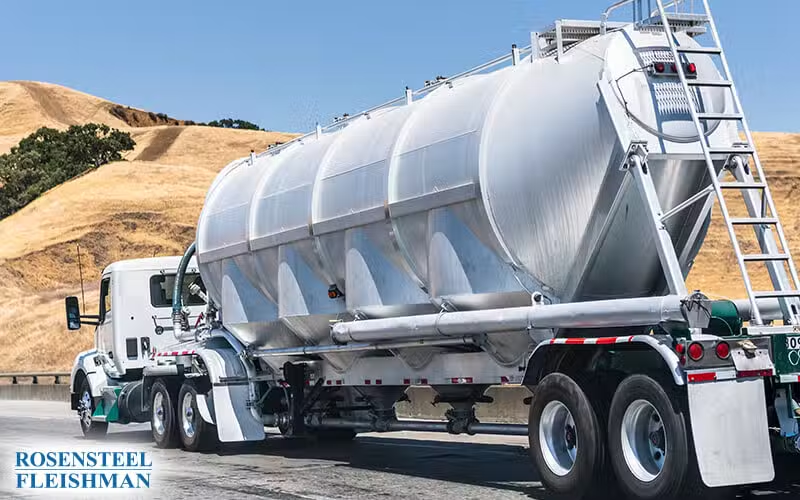

A carrier or driver identifier can preserve a lead for later review, but it does not establish responsibility, employment status, coverage, or a claim outcome.
Preserve identifiers exactly as shown
- Company name, USDOT or MC number, vehicle and trailer markings, plate, driver name if provided, and the source of each item
- Photographs or video retained with date, location, and an indication of what was personally observed
- A distinction between a logo, a lease reference, an agency report, and a confirmed registration record
- Unknown or unreadable information left unresolved rather than expanded from an assumption
Use federal registration information carefully
The Federal Motor Carrier Safety Administration provides carrier-registration information. A registration search can help identify a record to review, but it does not decide who was responsible for a particular crash.
Questions arising from a commercial-vehicle collision may be considered in a North Carolina trucking-accident claim, which requires a fact-specific review.
Source
Additional Trucking Accidents Articles
Living With Permanent Disabilities After a Truck Crash Involving Multiple Vehicles
A lasting disability affects more than a claim file. Learn how to connect the collision timeline with documented changes in work, household responsibilities, and expenses without treating assumptions as evidence.
Reducing Reinjury Risk With Physical Therapy After a Truck Crash in Charlotte
Concerns about reinjury involve medical questions that claim records cannot answer. Learn how to organize physical therapy documentation, practical expenses, and scene evidence without drawing unsupported conclusions.
When Mobility Loss After a Charlotte, NC Truck Crash Has No Clear Diagnosis
An unclear diagnosis does not prevent a family from recording practical changes after a truck crash. Keep observations, added expenses, and unanswered claim questions separate.



