
A useful claim record shows what changed, what remained unresolved, and why. Learn how consistent documentation can clarify recovery progress without drawing medical conclusions.
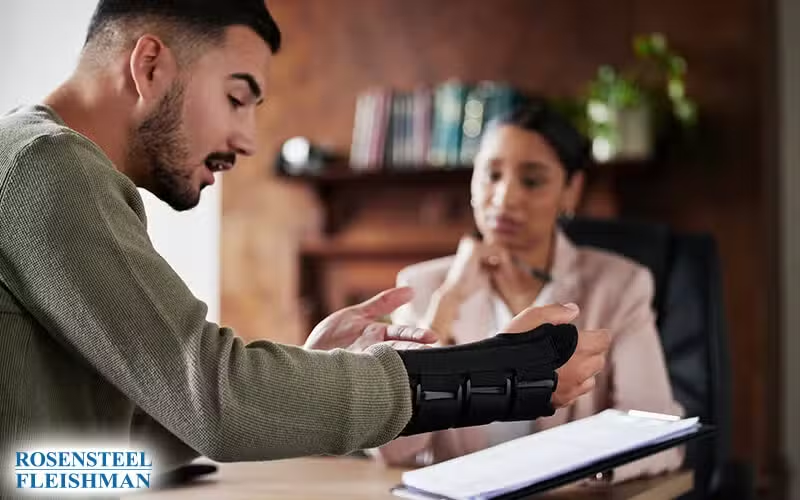

Pain that continues after a dog bite deserves a conversation with a healthcare professional. You do not need to decide whether it qualifies as “chronic” before asking for help. Describe what you feel, when it occurs and what has changed. A general article cannot identify the cause or choose a treatment for you.
MedlinePlus explains how providers assess pain, including its location, duration, pattern and effect on daily life. Pain experiences differ, and the cause may require assessment. Do not assume a particular diagnosis from the duration, a photograph or another person’s recovery story.
Prepare a short account for the appointment
- Identify the body area and side, using your own words for the sensation.
- State when you first noticed it and whether it comes and goes or remains present.
- Describe one ordinary activity affected, and what happened when you normally did it.
- Explain changes since the last visit, including periods of improvement.
- Bring the current instructions and an accurate account of medicines or other care already used.
Do not deliberately repeat a painful movement to create an example. If the clinician asks for a rating or diary, follow their instructions and keep the context with the number. A score on one day should not be presented as a measurement for every day since the attack.
Ask what the next recommendation is meant to address
If a clinician recommends a recheck, referral or change in care, ask what question it is intended to answer and what follow-up applies. Keep the actual recommendation separate from an appointment booked or care received. Concerns about side effects, new symptoms or an unclear instruction belong with the treating team; do not change a medicine or exercise plan based on a claim article.
Use the guide to communicating with a provider if you need help turning a broad concern into a focused question. Follow urgent or emergency instructions when applicable rather than waiting for a routine portal reply or an insurer’s response.
Preserve the history without forcing it to agree
Keep your observations and the provider’s findings as separate records. If a later note uses a different description, identify the author and date rather than rewriting the earlier account. Include relevant earlier conditions or intervening events honestly. The fact that pain was reported after an attack does not by itself resolve medical causation.
Keep the claim question specific
An insurer may request a visit note, a bill or clarification about an activity. Save the precise request and identify the record that answers it. Do not turn a symptom diary into a diagnosis, a prediction of permanent impairment or a settlement calculation.
Rosensteel Fleishman can discuss dog-bite claim questions involving ongoing pain records. Bring the available care records and the particular document or question you want explained. Medical assessment and treatment decisions remain with qualified healthcare professionals.
Additional Dog Bites Articles
Charlotte Hand Therapy Options for Coordination Problems After a Dog Bite
When hand coordination difficulties affect everyday tasks after a dog bite, clear records can help separate care arrangements, practical expenses, and unresolved claim questions.
Budgeting for Sun Protection to Care for Dog Bite Scars
A practical budget separates actual spending, shared household purchases, and uncertain future expenses. Clear records can help explain scar-related costs without making medical or legal assumptions.
Tissue Healing Variability Dog Bites and Why Recovery Timelines Can Differ
Why can two people with similar-looking dog bite injuries have very different recovery records? The answer often lies beneath the surface. The location and depth of the wound, the structures involved, complications documented by medical providers, and personal health factors can all affect how the injury develops over time. Those differences can become important during […]




