
Roadway congestion can make bicycle crashes more complicated because several things may happen at once, including sudden lane changes, limited visibility, close passing, and multiple vehicles reacting within seconds. When a cyclist is injured and the responsible driver does not have enough insurance to cover the resulting losses, underinsured coverage bicycle cases may involve a […]
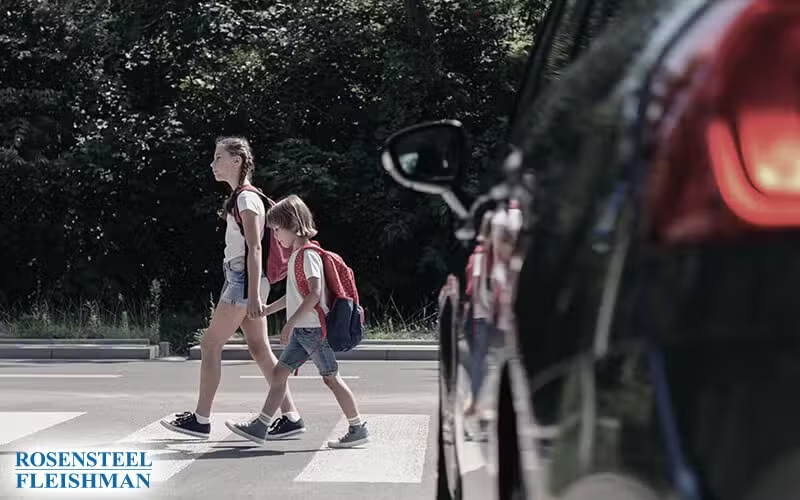

Visibility after a pedestrian crash cannot be reconstructed from the word “visible” or “dark” alone. A driver, pedestrian, passenger, witness, and camera may have different viewpoints and different portions of the event. Preserve those differences before deciding what any person could or should have perceived.
A pedestrian visibility record should preserve the viewpoint, observation time, lighting, weather, obstructions, traffic controls, movement, clothing and vehicle-lighting facts, source media, and limits of what each observer could perceive.
Fix the time, location, and viewpoint
- Crash date and time, intersection or roadway, direction and lane, crosswalk or path, curb or shoulder, traffic-control device, and approximate point of contact
- Observer identity, driver, pedestrian, passenger or witness role, exact position, height or seat, direction faced, windows or mirrors used, and portion of the event personally perceived
- Vehicle and pedestrian movement before observation, when each entered the view, speed described as an estimate unless measured, stops, turns, lane changes, and time available to observe
- Source of every location or time entry, including report, dispatch, photograph, video, device record, witness account, receipt, weather record, or later measurement
The current NCDMV DMV-349 Instructional Manual explains report fields for roadway, traffic control, lighting, weather, road surface, contributing circumstances, pedestrian location and action, narrative, and diagram. Treat those fields as recorded observations and classifications, not a complete reconstruction or final responsibility decision.
Record lighting and contrast as separate facts
- Daylight, dawn, dusk, darkness, street lighting, illuminated business or sign, shadow, glare source, headlamp direction, and changing light during the approach
- Rain, fog, mist, snow, spray, wet pavement reflection, windshield condition, window tint, mirror condition, and interior glare or display light
- Pedestrian clothing color and reflectivity, carried objects, mobility device, bicycle or scooter lighting when relevant, and the source establishing each fact
- Vehicle headlamps, running lamps, turn signal, brake lamps, auxiliary lamps, damage, switch position, inspection, photograph, repair, and whether operation was actually tested
Map temporary and fixed obstructions
- Parked or moving vehicles, stopped bus, delivery vehicle, construction barrier, sign, vegetation, utility object, building, median, curve, grade, and roadside activity
- Observer-to-obstruction and obstruction-to-pedestrian geometry, measured or estimated distance, and person who collected the information
- Whether the obstruction moved, was removed, changed with season, or appeared only during a particular signal phase
- Photographs from each relevant viewpoint at eye or camera height without presenting a later reconstruction as the original scene
Separate traffic rules from the factual visibility record
G.S. 20-173 addresses pedestrian rights and duties at identified crosswalks and signals. G.S. 20-174 addresses pedestrian conduct outside crosswalks and also includes duties involving due care and warning. Which subsection applies depends on the location, controls, movements, and facts. A visibility limitation does not automatically decide right of way, reasonable care, causation, or contributory conduct.
Preserve original media and account limits
- Original photograph, video, doorbell, business, transit, traffic, dashboard, or mobile file; custodian; export; metadata; complete clip; clock offset; and retention risk
- Witness account in the witness’s words, interview date, questions asked, estimated distances or times, uncertainty, later information learned, and corrections
- Police diagram and narrative, underlying measurements or observations, supplements, and any difference between a code, narrative, and participant statement
- Later scene photograph or test, date and time, equipment, conditions, traffic, lighting, viewpoint, changed features, method, and limits on comparison
North Carolina Evidence Rule 701 addresses lay opinion based on perception and helpfulness. A person may describe what was seen or not seen from a particular viewpoint, but technical opinions about illumination, stopping distance, human factors, or reconstruction may require a different foundation. Preserve the observation before adding an interpretation.
Connect visibility to the separate right-of-way analysis
The related guide to North Carolina pedestrian right-of-way rules at crosswalks explains signal, crosswalk, yielding, roadway-entry, and due-care provisions. This page owns the viewpoint and visibility evidence used with that legal analysis.
Rosensteel Fleishman Car Accident & Injury Lawyers provides information about Charlotte pedestrian-accident claims involving disputed visibility. The complete scene, movement, source, medical, and legal record controls an individual matter.
Sources
Additional Personal Injury Articles
How CT Scans Are Used in Injury Claims to Document Physical Harm
When an injury claim is being reviewed, medical records often provide the clearest timeline of what happened to a person after an accident. CT imaging can become an important part of that record because it allows medical providers to examine internal structures that may not be fully evaluated through a physical examination alone. When a […]
How Medical Treatment Affects a Car Accident Claim When Care Is Delayed
Medical care can become one of the most important sources of information in a car accident claim because treatment records help show what injuries were identified, when symptoms appeared, and how those injuries affected everyday life. When someone in Charlotte, NC delays treatment after a collision, the delay does not automatically determine the outcome of […]
Understanding Nerve Damage Motorcycle Injuries and the Importance of Continued Medical Support
A motorcycle crash should be reported promptly to law enforcement and the appropriate insurance companies, even when pain or numbness seems minor at first. Nerve symptoms may develop gradually, and a timely report creates an official record connecting the incident to the circumstances in which the injury occurred. Missing a reporting deadline or giving incomplete […]



