
Reconsidering motorcycle travel after a crash means separating road concerns from assumptions about fault. Clear records can help connect everyday transportation decisions with unresolved claim questions.
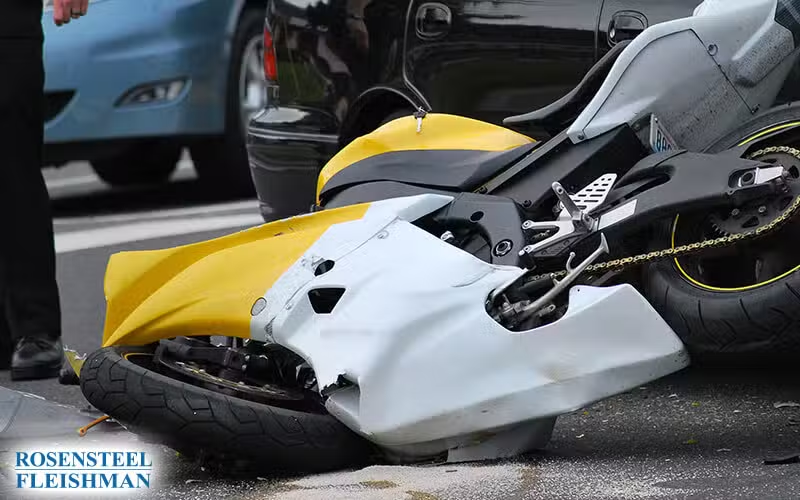

After a motorcycle crash, the title, registration, plate, insurance card, policy, cancellation history, and NCDMV insurance record may answer different questions. A single card or database screen should not be treated as proof of ownership, permission, continuous coverage, or every available policy.
A motorcycle’s registration and insurance records show administrative and contract facts for defined dates; they do not by themselves decide coverage, fault, or claim value.
Identify the motorcycle and the people connected to it
- VIN, plate, make, model, year, body type, color, unit number, odometer, and visible modifications compared across the motorcycle and records
- Titled owner, registered owner, policyholder, named insured, rider, passenger, lienholder, lessor, seller, buyer, and person granting permission kept as separate roles
- Crash date and time, purchase or transfer date, title date, registration period, policy period, cancellation date, reinstatement date, and record-retrieval date arranged chronologically
- Original title, registration card, renewal, plate record, insurance card, declarations, policy form, endorsement, binder, cancellation notice, and NCDMV correspondence preserved
Read title and registration records cautiously
The NCDMV vehicle-types page states that a motorcycle is titled and registered in a manner similar to a car. The title and registration can help identify the vehicle and registered interests, but possession, permission, control, sale status, financing, and actual use may require additional records.
- Title number, issue date, owner name, lien entry, vehicle description, brand, and transfer information copied exactly
- Plate number, registration period, address, county, expiration, transfer, replacement, surrender, revocation, and reinstatement documented by date
- Bill of sale, financing, lease, loan, storage, repair, or permission document kept separate from the DMV record
- A stale address, pending transfer, missing card, or different rider recorded as an unresolved fact rather than an ownership conclusion
Build an insurance chronology
The NCDMV liability-insurance page explains the continuous-insurance requirement for vehicles with valid North Carolina registration and describes proof, cancellation, lapse, plate, and restoration records. The source should be checked for the period being reviewed because requirements and limits can change.
- Insurer, policy number, named insured, listed vehicle, VIN, effective date, expiration date, cancellation date, reason, and reinstatement date
- Insurance card, declarations, complete policy, endorsements, binder, notice, FS-1 submission, lapse letter, penalty, hearing, plate surrender, and restoration entry kept separately
- Insurer system time, NCDMV receipt or posting time, and later correction recorded before describing a lapse
- Out-of-state policy, moved vehicle, sold vehicle, stored motorcycle, lost plate, and transferred plate issues supported by their own documents
Separate compliance from claim coverage
G.S. 20-309 addresses financial responsibility for motor vehicles required to be registered in North Carolina. Whether a person or loss is insured under a particular contract still depends on the policy, endorsements, definitions, vehicle, permission, notice, facts, and current law.
- DMV record of insurance kept separate from an insurer’s coverage acceptance, reservation, or denial
- Liability, uninsured or underinsured motorist, medical payments, collision, equipment, towing, and other coverage parts reviewed individually
- Citation, plate action, or lapse allegation not treated as proof of negligence or the cause of the crash
- Policy identification, coverage, fault, medical causation, damages, and claim value maintained as separate questions
The related guide to building a motorcycle insurance-policy map explains how to connect people, vehicles, policy periods, coverage parts, notices, positions, limits, payments, releases, and unresolved conditions after a crash.
Rosensteel Fleishman Car Accident & Injury Lawyers provides general records information for people who may later discuss a North Carolina motorcycle-accident claim involving registration or insurance records. Ownership, permission, compliance, coverage, fault, and damages require the complete records and case-specific review.
Sources
Additional Motorcycle Accidents Articles
Investigating Unexplained Loss of Control in Charlotte, NC Motorcycle Crashes
An unexplained loss of motorcycle control leaves questions about what happened before the fall. Clear records can help families distinguish evidence from assumptions and respond to claim disputes.
Medical Guidance for Resuming Outdoor Walks After a Motorcycle Crash in Charlotte
An outdoor walk does not tell the whole story of an injury. Accurate records can distinguish daily activity, treatment history, practical limitations, and unresolved claim questions.
When Anxiety After a Motorcycle Crash Disrupts Sleep and Relationships in Charlotte
When anxiety affects family routines after a motorcycle crash, specific records can describe what changed. Learn how to separate everyday observations from medical conclusions and questions about a claim.



