After a collision, arranging transportation can feel urgent, especially when work, medical visits, school schedules, and family responsibilities still need attention. Rental coverage may help with that gap, but payment is usually controlled by a daily amount, a maximum total amount, and the circumstances of the crash. In Charlotte, understanding those limits early can make […]

Bright sunlight can feel like a minor inconvenience during a routine drive, but it often creates conditions that are more disruptive than expected. When glare interferes with visibility, even careful drivers can misjudge distance or fail to notice pedestrians crossing in front of them. In Charlotte, where busy intersections and shopping areas frequently mix foot traffic with vehicles, this becomes especially relevant. For those trying to understand what happens next after a crash, resources like working with a car accident injury attorney can help provide context without rushing into decisions.
What makes these incidents more complicated is how injuries develop. Pedestrian accidents in glare conditions often involve sudden stops or unexpected impacts, which can cause the body to react in ways that are not immediately obvious. Someone may walk away thinking they are fine, only to experience pain or dizziness later that evening. This delayed response can make it harder to connect symptoms directly to the accident.
Why Overlapping Symptoms Can Complicate Recovery
After a glare-related pedestrian crash, symptoms rarely present in a straightforward way. A person might notice headaches, shoulder tightness, or sensitivity to light, but these can overlap with stress responses or minor strains. This creates confusion around whether the issue is serious or temporary, leading many to delay medical care. That delay is one of the most common timing mistakes that can affect both recovery and documentation.
Medical evaluation becomes more important in these cases because it creates a clear record of what happened and when symptoms began. Without that timeline, insurance companies may question whether the injuries are connected to the crash at all. This is a frequent challenge in pedestrian incidents where the impact may not look severe, but the physical effects build over time.
TLDR
- Sun glare can contribute to pedestrian crashes where injuries are not immediately obvious
- Overlapping symptoms often delay diagnosis and complicate recovery
- Waiting too long for medical care can weaken injury documentation
- Insurance companies may question claims when symptoms appear later
- Early action helps connect the accident to long term health and financial outcomes
How Sun Glare Crash Factors Affect Injury Costs And Claims
Sun glare crash factors directly influence how pedestrian injuries are evaluated, particularly when visibility issues lead to delayed reactions. When a driver fails to see someone crossing a parking lot or intersection due to low sunlight, the resulting impact may be sudden but not always high speed. These situations often create a misleading sense of minor impact, even though the pedestrian may absorb most of the force. That disconnect is one reason injury costs can escalate after the fact.
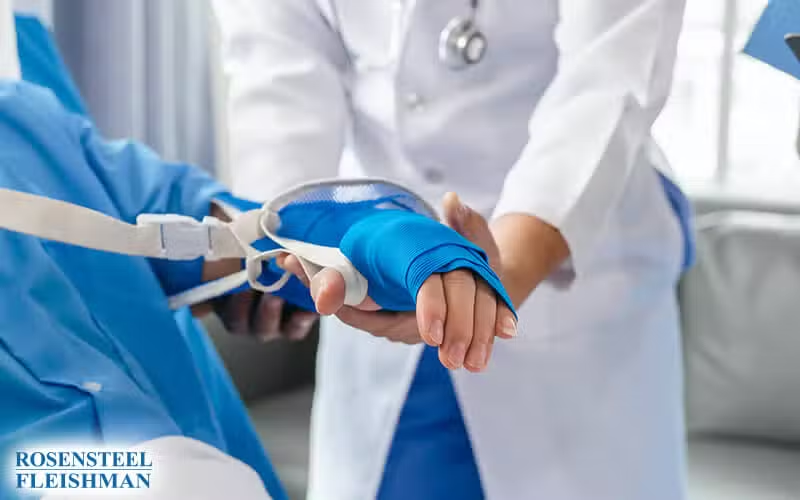
In Charlotte, a common scenario involves a driver exiting a retail parking area during late afternoon hours when the sun sits low across the windshield. A pedestrian walking toward their car may not be visible until the last second. Even a low speed collision can cause the person to fall awkwardly, leading to wrist injuries, back strain, or head impact. These injuries may not feel severe immediately, but they often worsen within 24 to 48 hours, creating a gap between the accident and treatment.
One overlooked complication is how insurance companies evaluate these delayed symptoms. Adjusters may argue that the injuries are unrelated or exaggerated if there is no immediate medical visit. This places the injured person in a difficult position, especially if they assumed the pain would go away on its own. Early documentation helps address this issue, but many people underestimate its importance in the moment.
Key Elements That Influence Costs And Outcomes
Several factors tend to shape how pedestrian-related glare cases develop over time:
- How quickly medical care is sought after the accident
- Whether symptoms are consistently documented as they evolve
- The clarity of witness statements about visibility conditions
- Environmental details such as time of day and sun position
- Insurance coverage limits and claim handling behavior
Each of these elements plays a role in determining how smoothly a claim progresses. Small gaps in documentation or inconsistent reporting can create unnecessary friction, especially when insurers are already cautious about delayed injuries. Understanding these factors early allows for more confident decision making during a stressful time.
Moving Forward With Clarity After A Glare Related Crash
Recovering after a pedestrian accident influenced by sun glare often involves more uncertainty than expected. The physical impact is only part of the experience, as many people also deal with confusion about symptoms, missed work, or unexpected medical costs. Taking a steady approach by tracking symptoms and following up with care providers can help reduce that uncertainty over time. It also creates a clearer picture of how the injury is progressing.
In Charlotte, where foot traffic and vehicle congestion frequently overlap, these incidents are not unusual. Someone crossing near a strip mall or navigating a shared parking space may not anticipate how quickly visibility can change for a driver. That unpredictability makes it even more important to take post-accident steps seriously, even if the situation seemed minor at first.
When It May Help To Speak With A Legal Professional
There are situations where questions about injury costs or insurance responses become difficult to sort out alone. A short conversation with someone familiar with these cases can help clarify what matters most without adding pressure. As Attorney Matthew Fleishman explains, “Sometimes it is not about making a big decision right away, but about understanding what details could affect you later.”
Rosensteel Fleishman in Charlotte is known for offering practical guidance to people dealing with the aftermath of car and pedestrian accidents. Their approach focuses on helping individuals understand how timing, documentation, and insurance behavior all connect. For someone dealing with delayed symptoms or unclear next steps, that kind of clarity can make the process feel more manageable.
Taking action early, even in small ways, can help avoid larger complications later. Whether it involves seeking medical care, keeping records, or asking a few questions, each step helps bring structure to a situation that often feels unpredictable.
Additional Car Accidents Articles
How Medical Treatment Affects a Car Accident Claim Over Time
Medical care creates a record of what happened after a crash, how injuries developed, and what recovery required. In a car accident claim, the timing of that care can affect how clearly an insurance company sees the connection between the collision, the injury, and the costs being claimed. For someone hurt in Charlotte, North Carolina, […]
Night Driving Accident Factors That Can Increase Injury Risk
What makes a familiar road feel different after dark, especially when a parent is driving home with kids in the back seat and a lane shift appears with little warning? In Charlotte, nighttime driving can become more difficult when temporary signs, construction markers, or detour notices are hard to see until a driver is already […]
How Future Earnings Are Considered After a Crash
Charlotte drivers know that rainy afternoons, slick roads, and sudden traffic slowdowns can turn an ordinary trip on I-77 or a neighborhood road into a serious crash. When an injury affects someone’s ability to work, the claim may become more complex than a simple repair bill or short medical visit. Questions about missed income, long-term […]