
When anxiety affects family routines after a motorcycle crash, specific records can describe what changed. Learn how to separate everyday observations from medical conclusions and questions about a claim.
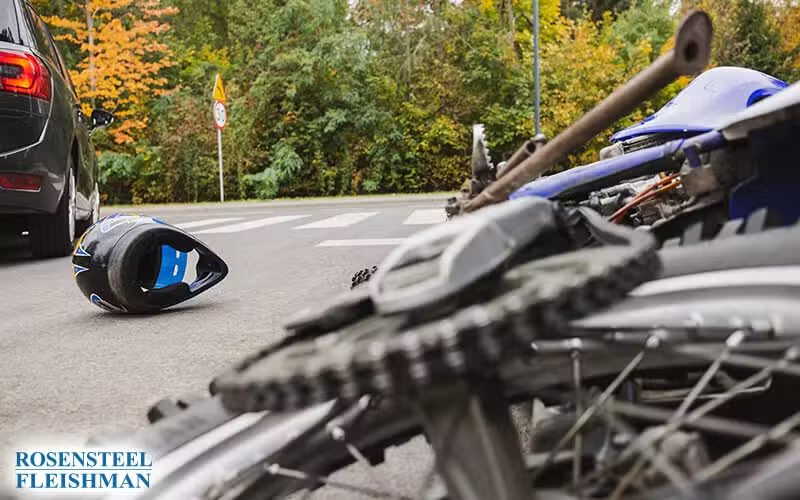

Different accounts and physical records can identify questions for review, but they do not independently determine fault, medical causation, coverage, or a claim outcome.
Keep accounts in their original form
- The date, time, source, viewpoint, and exact wording of a rider, driver, witness, officer, or other account
- Photographs, video, report entries, vehicle condition, roadway observations, and records kept separate from a person’s statement
- Details that agree, differ, are missing, or depend on an estimate clearly marked without selecting one version
- A later recollection, interpretation, or reconstruction kept separate from an event-time record
Use the report within its limits
The N.C. Division of Motor Vehicles’ Crash Reports page explains the current process for requesting available reports. A report may provide context, but it does not contain every fact or independently resolve disputed details.
Questions about a North Carolina motorcycle-accident claim require a fact-specific review.
Source
Additional Motorcycle Accidents Articles
How Adjusters Compare Evidence When Reviewing Motorcycle Accident Claims
A motorcycle claim involves more than collecting records. See how timing, firsthand observations, road conditions, and expense documentation help clarify what evidence supports and what remains uncertain.
Overlooked Distractions That Put Charlotte Motorcycle Riders at Risk
A phone is not the only possible distraction in a motorcycle collision. Separate observed behavior from assumptions, preserve useful records, and identify gaps before discussing a claim.
Does Lost Riding Confidence Affect a Motorcycle Accident Insurance Claim?
Reduced riding confidence may help describe how a crash changed everyday life, but it does not establish fault or a claim’s value. Clear records can separate practical losses from questions about responsibility.



