
When motivation fades after a bicycle injury, practical goals can focus on manageable paperwork, household responsibilities, and accurate records rather than assumptions about medical progress.
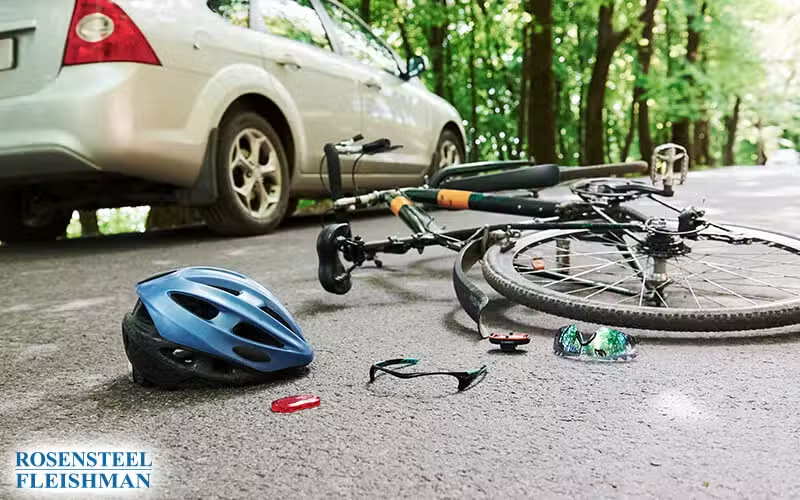

Charlotte has many areas where bicycle traffic, pedestrian activity, and vehicle congestion overlap, especially near greenways, Uptown streets, campus areas, and neighborhood corridors. After a bicycle accident, a person may expect pain or visible injuries to be the main concern, but changes in energy can also affect how quickly daily routines feel manageable again.
Low energy after a crash can come from pain, disrupted sleep, medication, inflammation, missed work, stress, or the effort of attending appointments while trying to return to normal responsibilities. For many injured cyclists, the harder question is not only how they feel today, but what their recovery pattern means for work, transportation, childcare, exercise, and claim decisions.
When a claim is involved, the way recovery is understood can influence whether the situation moves toward an informal agreement or a more structured resolution. People looking for basic guidance often talk to a bicycle accident lawyer so they can better understand how injury details, documentation, and accountability may fit together after a crash.
How Recovery Patterns Can Affect Bicycle Accident Claim Decisions
Energy levels during recovery bicycle injuries can create practical questions that are easy to underestimate at first. A cyclist may be able to walk around the house or run a short errand, but still feel drained after standing too long, commuting, concentrating at work, or trying to return to exercise. These changes may seem personal or medical, but they can also become important when explaining how the accident affected normal activities.
Early in the claim process, injured cyclists often deal with insurance calls, medical visits, repair estimates, and uncertainty about missed income. This is one reason some people speak with personal injury compensation lawyers when their symptoms are still changing or when they are unsure whether an early offer reflects the full impact of the accident. Informal agreements may happen when both sides have enough information to understand the injury, but a more structured outcome may be needed when there are disputes about fault, treatment, lost wages, or the long-term effect of reduced stamina.
Why Fatigue May Matter After a Bicycle Accident
Fatigue after a bicycle crash is not always a simple sign of being tired. The body may be using energy to heal bruising, soft tissue injuries, fractures, head trauma, or nerve irritation. Even when an injury does not look severe from the outside, inflammation and pain can make ordinary movement feel harder than expected.
For example, a cyclist hit near a busy Charlotte intersection may initially focus on road rash and shoulder pain. A week later, the bigger problem may be that they feel exhausted after a half day of work, need more rest between tasks, and cannot safely ride to nearby errands. Those details can help show how the accident changed daily life beyond the first emergency room visit.
How Informal Agreements Differ From More Structured Resolutions
An informal agreement usually involves the injured person and the insurance company reaching a settlement without a lawsuit or court process. This path can be efficient when medical treatment is complete, responsibility is reasonably clear, and the full impact of the injury is known. The risk is that settling too early may leave out future treatment, ongoing fatigue, or activity limits that were not fully understood yet.
A more structured resolution may involve deeper investigation, formal demands, negotiation, or litigation when the facts are disputed. This does not mean every bicycle accident claim becomes a complicated legal matter. It means that when recovery is uncertain, symptoms are lingering, or the insurer questions the connection between the crash and the person’s reduced activity level, a clearer process may be needed to organize evidence and protect the claim.
Common Reasons Bicycle Injury Claims Get Delayed
Claim delays often happen because the recovery timeline is still developing. If someone is still treating, still missing work, or still unsure whether their energy will return to normal, it may be too early to accurately measure the harm caused by the crash. Insurance companies may also request records, question gaps in treatment, or argue that fatigue is unrelated to the accident.
Delays can also occur when documentation does not clearly connect the injury to everyday limitations. Helpful records may include medical notes, physical therapy updates, missed work documentation, bicycle repair records, photos, witness information, and a simple activity log showing how symptoms affect normal routines. A steady record can make it easier to explain why a person who looks outwardly mobile may still be struggling with endurance, concentration, or safe movement.
What Injured Cyclists Can Track During Recovery
Tracking recovery does not need to be complicated. The goal is to create a clear picture of what has changed and how consistently those changes appear over time.
Useful details may include:
- How long normal tasks take compared with before the crash
- Activities that cause unusual tiredness or pain afterward
- Work hours missed or reduced because of symptoms
- Changes in sleep, concentration, or transportation routines
- Medical appointments, therapy exercises, and provider restrictions
This type of information can be especially useful when energy rises and falls from day to day. A person may have one productive morning, then need most of the next day to recover. Without written notes, that pattern can be hard to explain later, especially if an insurance company focuses only on isolated moments where the person appeared active.
Practical Next Steps When Recovery Is Taking Longer Than Expected
When energy does not return as quickly as expected after a bicycle accident, it helps to pay attention rather than dismiss the change. Following medical guidance, reporting new or lingering symptoms, and keeping records of activity limits can support both physical recovery and claim clarity. It also helps avoid confusion later if the insurer asks why treatment continued or why work and household duties were affected.
Rosensteel Fleishman Law Firm can be a helpful local resource for people who want to better understand how recovery details may affect a bicycle accident claim in Charlotte. A calm conversation can help clarify whether an informal agreement seems realistic or whether more structured steps may be appropriate. For general guidance, the firm can be reached at 1-704-714-1450.
The main point is that reduced energy after a crash can be more than an inconvenience. It may reflect the real work the body is doing to heal, and it may also show how the accident disrupted ordinary life. Careful documentation, steady medical follow up, and informed decision making can help injured cyclists move forward with a clearer understanding of both their recovery and their claim.
Additional Bicycle Accidents Articles
Reviewing Medical Advice Before Making Bicycle Injury Recovery Decisions
Medical records, family schedules, and insurance paperwork serve different purposes after a bicycle crash. Keeping those purposes separate helps make practical decisions clearer without drawing medical or legal conclusions from incomplete information.
When Fear of Traffic Disrupts Commuting After a Bicycle Crash in Charlotte
Changes in transportation, work schedules, and travel costs can make post-crash fear a practical concern. Keep those effects separate from the evidence used to evaluate responsibility.
How Recovery Time Affects Bicycle Claims When Injury Progress Is Disputed
Bicycle injury claims often depend on more than the moment of impact. What happens during the days and weeks afterward can influence how an insurer evaluates the connection between the crash, the injuries, and the losses being claimed. Reporting delays, gaps in medical care, and changing symptoms may create questions that would not exist if […]



