Lane markings, turning movements, and crosswalk locations can help explain a truck collision, but they cannot establish an injury. Clear records help separate crash circumstances from documented losses.
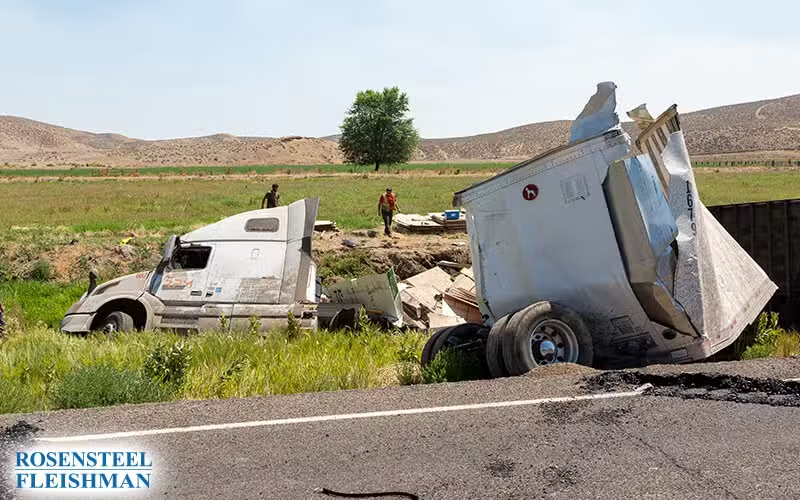

Recovery after a truck collision often depends on more than the first few days of pain, because the body may need time to rebuild stamina, balance, mobility, and daily confidence. When a commercial vehicle makes a sudden lane change near busy Charlotte traffic, the impact can be forceful even if the crash does not look severe at first. A driver or passenger may walk away feeling shaken, only to notice later that ordinary tasks feel harder than expected.
Sudden lane changes can disrupt traffic flow quickly because large trucks need more room to move, slow down, and correct their path. A car pushed toward a shoulder, another lane, or nearby traffic may create a chain of reactions that leaves injured people dealing with soreness, reduced endurance, missed work, and questions about what happened. This is where endurance rebuilding truck injury recovery becomes a practical issue, not just a medical phrase.
Someone recovering from this kind of crash may need time, documentation, and steady guidance to understand how the collision changed their normal routine. When questions come up about medical care, insurance communication, or fault, it may help to consult a truck crash lawyer before making decisions that could affect a claim. The goal is not to rush the process, but to understand what recovery may really require.
How Sudden Truck Movements Can Affect Recovery and Daily Endurance
A sudden lane change by a commercial vehicle can cause injuries that affect both immediate movement and longer term stamina. Compared with a lower speed parking lot crash or a minor rear end collision, a truck related impact may involve more force, more vehicle movement, and more uncertainty about how the body absorbed the crash. Even when bones are not broken, soft tissue injuries, back pain, neck strain, joint irritation, headaches, and general fatigue can make daily life feel unusually draining.
This type of recovery is often different from simply waiting for pain to fade. A person may be able to stand, walk, or drive for short periods, but still struggle with a full workday, errands, childcare, or basic household tasks. For example, someone hit during a sudden lane shift on I-77 in Charlotte might feel able to return to work after a few days, only to realize that sitting for long stretches, turning their neck, or carrying groceries triggers pain and exhaustion. Those small limits can become important when explaining how the crash affected real life.
Why Endurance Can Drop After a Truck Crash
Endurance often drops because the body uses energy to protect injured areas. Muscles may tighten around the neck, shoulders, back, or hips, which can make ordinary movement feel stiff and tiring. Pain can also interrupt sleep, and poor sleep can make recovery feel slower, even when a person is following medical advice.
There is also a practical side to endurance rebuilding after a truck injury. Physical therapy, follow up appointments, medication schedules, and work restrictions can all become part of the recovery process. Compared with a quick recovery from minor soreness, truck crash recovery may involve gradual progress that needs to be documented clearly so insurance adjusters can understand the difference between a temporary inconvenience and a meaningful disruption.
How Medical Records Help Show the Full Recovery Picture
Medical records can help connect symptoms to the crash and show how recovery changes over time. Early records may describe pain levels, limited range of motion, or recommended treatment, while later records may show whether stamina improved, stayed the same, or became more complicated. This matters because endurance problems are not always visible in photos or repair estimates.
Practical documentation can include appointment notes, work restrictions, therapy plans, and personal records of how symptoms affect daily routines. Helpful examples may include:
- How long sitting, standing, or walking remains comfortable
- Whether pain increases after work or driving
- Missed workdays or reduced hours
- Activities that became harder after the crash
- Changes in sleep, concentration, or energy
These details can make the recovery story clearer without exaggerating it. If someone is unsure how their medical records, lost income, and daily limitations fit together, they may decide to find a personal injury lawyer to better understand the claim process.
What Makes Truck Accident Claims More Complicated
Truck accident claims may involve more moving parts than a typical passenger vehicle claim. A sudden lane change could raise questions about driver attention, blind spots, speed, traffic conditions, company policies, maintenance records, or whether another vehicle contributed to the crash. The injury side of the claim may also require careful review because endurance problems can unfold slowly.
Compared with a claim where injuries resolve quickly, a recovery involving ongoing stamina limits may need more patience. Insurance companies often look for clear proof of medical treatment, consistent symptoms, and practical impact. That does not mean every ache or difficult day becomes part of a claim, but it does mean that steady documentation can help prevent important details from being overlooked.
Practical Steps That Can Support a Steady Recovery
Recovery after a truck crash usually works best when decisions are made carefully and consistently. Medical care should come first, especially when pain, weakness, dizziness, numbness, or reduced mobility appears after the collision. Even symptoms that seem manageable at first can interfere with work, driving, and daily responsibilities if they are ignored.
Rosensteel Fleishman Car Accident & Injury Lawyers works with injured people in Charlotte who are trying to understand what comes next after a serious vehicle collision. Corey Rosensteel and Matthew Fleishman understand that a truck crash can create medical, financial, and practical stress at the same time. A calm review of the facts can help a person see what information matters and what steps may be worth taking.
Simple Next Steps After a Truck Related Injury
A steady approach can reduce confusion during recovery. The most useful steps are often basic, but they matter because they create a clearer picture of what happened and how the injury changed daily life.
- Get medical care and follow treatment instructions
- Keep records of symptoms and activity limits
- Save crash reports, photos, and insurance letters
- Track missed work and added expenses
- Ask questions before giving detailed insurance statements
As Attorney Matthew Fleishman puts it, “A strong recovery plan starts with understanding what the injury is changing in everyday life.” That idea applies whether the issue is pain, reduced stamina, missed income, or uncertainty about what the insurance company needs.
The main takeaway is that rebuilding endurance after a truck crash should be treated as a real part of recovery, not as an afterthought. When a commercial vehicle collision affects strength, routine, and financial stability, careful documentation and timely guidance can help protect the bigger picture. For people in Charlotte who want to talk through their situation, Rosensteel Fleishman can be reached at 1-704-714-1450 for a free consultation.
Additional Trucking Accidents Articles
Living With Permanent Disabilities After a Truck Crash Involving Multiple Vehicles
A lasting disability affects more than a claim file. Learn how to connect the collision timeline with documented changes in work, household responsibilities, and expenses without treating assumptions as evidence.
Reducing Reinjury Risk With Physical Therapy After a Truck Crash in Charlotte
Concerns about reinjury involve medical questions that claim records cannot answer. Learn how to organize physical therapy documentation, practical expenses, and scene evidence without drawing unsupported conclusions.
When Mobility Loss After a Charlotte, NC Truck Crash Has No Clear Diagnosis
An unclear diagnosis does not prevent a family from recording practical changes after a truck crash. Keep observations, added expenses, and unanswered claim questions separate.