
A lasting disability affects more than a claim file. Learn how to connect the collision timeline with documented changes in work, household responsibilities, and expenses without treating assumptions as evidence.
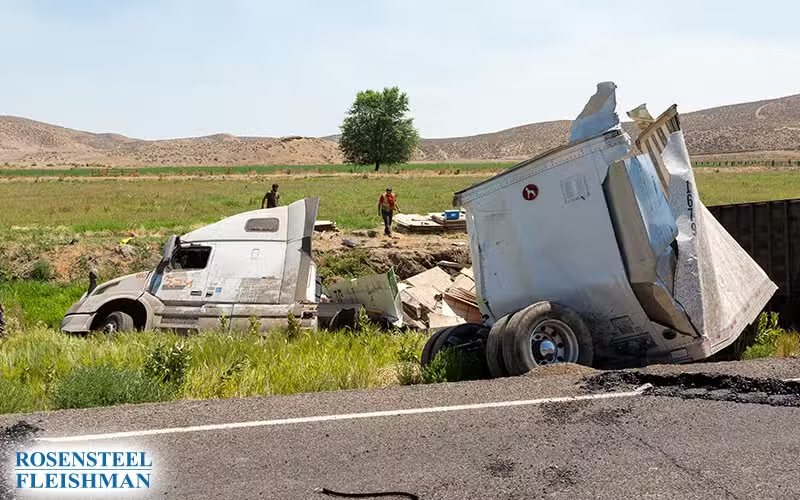

Some injuries from a truck crash are not obvious right away, even when the impact feels serious at the scene. Shock, stress hormones, confusion, and the practical pressure of dealing with police, insurance information, and transportation can make pain feel minor until hours or days later. In Charlotte, NC, this can happen after crashes on busy roads, during commercial deliveries, or in rear end collisions involving large vehicles where the body absorbs force before the person fully understands what happened.
Delayed symptoms after truck crash incidents can also affect how fault and liability are reviewed. When a driver, carrier, contractor, or other party may be involved, the timing of medical care, witness statements, vehicle inspections, and electronic evidence can shape how the claim is understood. A person looking for general guidance after a rear impact may find it helpful to review information from a rear end truck accident lawyer while also focusing first on health, documentation, and a clear record of what changed after the crash.
Article Brief
Delayed pain, stiffness, headaches, numbness, dizziness, and emotional changes should be taken seriously after a truck crash. The timing of symptoms does not automatically weaken a claim, but it often makes early documentation more important when liability, causation, and settlement value are being reviewed.
How Delayed Symptoms Affect Fault and Liability Questions
The main concern with delayed symptoms is that insurance companies may question whether the injuries came from the crash or from something else. That does not mean later appearing symptoms are not valid. It means the timeline matters, and the records need to explain the connection clearly enough for doctors, adjusters, and other parties to understand.
Truck accident claims can involve more than the driver behind the wheel. A carrier may be responsible for hiring, training, supervision, scheduling, or vehicle maintenance. A contractor may be involved in loading, dispatching, repair work, or delivery operations. When symptoms show up later, it becomes important to preserve evidence that connects the physical complaints to the collision itself and to the conduct of the parties involved.
For example, a person may walk away from a crash near a school zone or pedestrian area in Charlotte feeling shaken but not badly hurt. By the next morning, they may have neck stiffness, headaches, shoulder pain, or tingling in one arm. If they wait weeks before seeking care, the insurer may argue that the injury could have come from daily activity, work, or another incident. If they get evaluated promptly and describe when the symptoms began, the medical record can help show a more reliable sequence.
Evidence timing also matters because truck crash evidence can change quickly. Skid marks fade, vehicles are repaired, dashcam footage may be overwritten, and electronic logging or route data may become harder to obtain. If a carrier, contractor, or third party had a role in the crash, early evidence can help show whether fatigue, speed, following distance, maintenance issues, delivery pressure, or poor communication contributed to what happened.
Common delayed symptoms that may need medical attention include:
- Neck, back, or shoulder pain
- Headaches, dizziness, or confusion
- Numbness, tingling, or weakness
- Abdominal pain or unusual bruising
- Anxiety, sleep disruption, or mood changes
These symptoms do not prove liability by themselves, but they can become important when paired with crash reports, medical evaluations, photos, witness accounts, and vehicle evidence. The stronger the timeline, the easier it is to explain how the crash affected the person’s health and daily life.
Why Evidence Collection Can Shape Settlement Discussions
Settlement discussions often depend on how clearly the evidence explains both responsibility and harm. If symptoms appear later, the claim may require more careful organization because the insurer may look for gaps, inconsistencies, or reasons to reduce the value of the case. A well documented timeline can help reduce confusion and keep the focus on what actually happened.
This is especially important in truck accident cases because the settlement process may involve multiple insurance policies or business relationships. A driver may work directly for a carrier, operate as an independent contractor, or be connected to a delivery company, broker, or maintenance provider. Each layer can create questions about who had control, who owed a duty, and who may be financially responsible for the losses.
Medical documentation is one of the most important parts of this process. A doctor’s notes can identify when symptoms began, what tests were ordered, what restrictions were recommended, and whether the injury pattern is consistent with the crash. Physical therapy records, imaging results, prescriptions, and follow up visits can also show how long the condition lasted and whether it affected work, driving, sleep, childcare, or normal routines.
Financial records can matter too. Missed work, reduced hours, out of pocket medical expenses, transportation costs, and help needed at home can all influence how damages are evaluated. When those losses are documented as they happen, they are usually easier to explain than losses reconstructed months later from memory.
The solution is not to exaggerate symptoms or rush into a claim before the facts are understood. The better approach is to be consistent, practical, and organized. Report symptoms accurately, get appropriate medical care, save paperwork, and avoid making broad statements to insurers before the health picture is clearer. A calm, detailed record often carries more weight than a dramatic description without support.
What to Keep in Mind as the Claim Moves Forward
When symptoms appear after the initial shock of a truck crash, the next steps should be steady and practical. Medical care comes first because it protects health and creates a record of what changed after the collision. From there, the focus usually shifts to preserving evidence, understanding who may be responsible, and making sure the settlement process reflects the full impact of the injuries.
Rosensteel Fleishman Law Firm works with people in Charlotte, NC who have questions after serious vehicle crashes, including truck accident claims involving drivers, carriers, and contractors. Speaking with someone who understands these issues can help clarify what evidence may matter, what deadlines could apply, and how delayed symptoms may be explained within the larger claim.
- Get checked if new symptoms appear
- Keep a clear record of pain and limitations
- Save bills, reports, photos, and messages
- Avoid guessing about fault or injury severity
- Ask questions before accepting a settlement
If questions come up about delayed symptoms, liability, or what information should be gathered next, Rosensteel Fleishman can be reached at 1-704-714-1450. A timely conversation can help make the process less confusing while giving the injured person a clearer sense of what to expect next.
Additional Trucking Accidents Articles
Reducing Reinjury Risk With Physical Therapy After a Truck Crash in Charlotte
Concerns about reinjury involve medical questions that claim records cannot answer. Learn how to organize physical therapy documentation, practical expenses, and scene evidence without drawing unsupported conclusions.
When Mobility Loss After a Charlotte, NC Truck Crash Has No Clear Diagnosis
An unclear diagnosis does not prevent a family from recording practical changes after a truck crash. Keep observations, added expenses, and unanswered claim questions separate.
How Insurers Review Worsening Pain After a Truck Crash
An early insurance review may start with an incomplete account. Dated records can help explain later changes in pain, work limitations, and expenses without treating symptoms as proof of an injury.



