When a serious truck collision disrupts a Charlotte family’s daily life, medical records often become the clearest evidence of what changed and why. Insurance adjusters review those records to determine whether injuries are connected to the crash, how treatment progressed, and whether ongoing limitations are medically supported. That review can affect compensation for medical expenses, […]
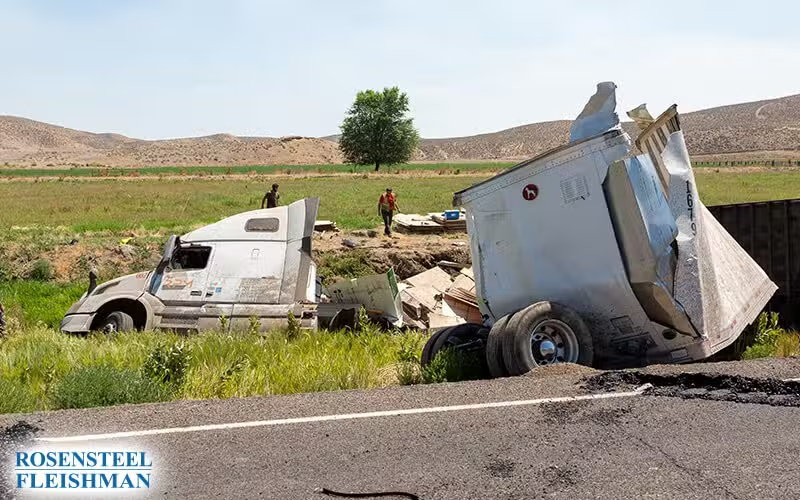

Can going back to work, driving, lifting, or daily errands too soon make chest injuries worse after a truck crash? In many cases, yes. Chest trauma truck accident injuries can involve bruised ribs, fractured ribs, lung irritation, soft tissue damage, or internal concerns that may not feel fully obvious right away. After a serious collision in Charlotte, the body may be dealing with inflammation, pain, limited breathing capacity, and stress all at once, which makes early medical attention and careful follow through especially important.
Truck crashes often involve more force than a typical passenger vehicle collision. A person may feel pressure from the seat belt, impact from the steering wheel, or blunt force from the crash itself. Even when someone walks away from the scene, chest soreness can grow over the next day or two. That delayed discomfort can lead people to underestimate the injury, especially if they are trying to return to work, care for family, or manage bills.
Attorney Matthew Fleishman often explains, “The way an injury affects daily life can be just as important as the diagnosis itself.” That idea matters because healing is not only about what appears on an X-ray or medical chart. It is also about how pain limits breathing, sleep, movement, and routine responsibilities. When questions come up about treatment, recovery, or next steps after a crash, it may help to discuss your trucking accident case with a lawyer who understands how medical records, timing, and daily limitations can affect a claim.
Article Brief
Chest trauma after a truck accident should be taken seriously because symptoms can change over time, and returning to normal activity too quickly may slow recovery or make pain worse. A steady approach that includes medical care, documentation, and careful attention to physical limits can help protect both health and any injury claim connected to the crash.
- Chest injuries may involve ribs, muscles, lungs, cartilage, or internal trauma.
- Symptoms can become more noticeable after the initial shock wears off.
- Activity that increases pain or shortness of breath should be discussed with a medical provider.
- Consistent treatment records can help explain how the injury affects daily life.
- Legal guidance may help when medical bills, missed work, or insurance questions arise.
Why Chest Trauma After a Truck Accident Can Be Difficult to Judge Early
The most important concern with chest trauma is that the injury may be more complicated than it first appears. A person may feel sore at the scene, assume the pain is bruising, and try to push through the next few days. That can be risky because chest injuries can involve structures that affect breathing, posture, sleep, and mobility.
Rib injuries are a common example. A bruised rib and a fractured rib can both cause sharp pain when coughing, laughing, twisting, or taking a deep breath. Without medical evaluation, it can be hard to know whether the pain is from soft tissue damage, a fracture, or irritation near the lungs. This is one reason doctors may order imaging, monitor breathing, and give instructions about activity limits.
In truck accident cases, impact patterns can also matter. A crash on I-77, I-85, or a busy Charlotte intersection may involve sudden deceleration, side impact force, or multiple vehicles. The chest may absorb force from the restraint system, the dashboard area, or objects inside the vehicle. Even though seat belts save lives, the pressure from a high force collision can still leave significant bruising and pain.
Another challenge is adrenaline. Right after a crash, the body can mask pain so a person can respond to the emergency. Hours later, stiffness and soreness may increase. By the next morning, breathing deeply may hurt, getting out of bed may feel difficult, and routine tasks may take more effort than expected. This delayed pattern can be confusing, but it is common enough that waiting too long for medical care can create both health concerns and claim questions.
From a legal awareness standpoint, early records often help show a clear timeline. If someone reports chest pain soon after the crash, follows medical advice, and documents how symptoms change, it becomes easier to understand the injury in context. When there are gaps in care, an insurance company may question whether the crash caused the problem or whether the injury was as limiting as described.
How Returning to Normal Activities Too Quickly Can Affect Healing
Returning to normal activity too soon can increase pain, delay recovery, and make it harder to follow the treatment plan. Chest injuries often need time because many everyday movements use the rib cage and surrounding muscles. Driving, lifting groceries, carrying a child, reaching overhead, or even sleeping in the wrong position can aggravate the area.
Rest does not always mean doing nothing. It usually means following a medical provider’s instructions about movement, breathing exercises, medication, work restrictions, and follow up visits. Some people are told to avoid heavy lifting. Others may need to monitor shortness of breath, worsening pain, dizziness, coughing, or signs that breathing has become difficult. Ignoring those instructions can create setbacks.
A realistic example might involve a delivery worker in Charlotte who is rear ended by a commercial truck and feels chest pain from the seat belt. The person visits urgent care, is told to avoid lifting, but returns to work because missing a paycheck is stressful. After several shifts of carrying boxes and climbing in and out of a vehicle, the pain worsens. That situation can create a difficult cycle where financial pressure pushes the person back into activity, but the activity makes healing harder.
These choices can also affect the injury claim. Medical records may show whether the person followed restrictions, attended appointments, and reported worsening symptoms. If an injured person had to miss work or change job duties, those details can help explain the real impact of the injury. Good documentation does not need to be complicated, but it should be consistent.
- Keep copies of discharge instructions and follow up paperwork.
- Write down pain levels and activities that make symptoms worse.
- Save records of missed work, reduced hours, or job duty changes.
- Tell medical providers about breathing issues, sleep trouble, or movement limits.
- Avoid guessing about what is safe before getting medical guidance.
This kind of practical record keeping helps connect the medical injury to daily life. It can also prevent important details from being forgotten later, especially when the claim process takes time.
What Ongoing Questions May Mean for Your Recovery and Claim
Chest injuries after a truck crash often raise questions that do not have simple answers on the first day. How long should soreness last? When is it safe to drive again? What if work requires lifting? What if the pain feels better one day and worse the next? These questions are common, and they are exactly why steady medical follow up matters.
Recovery can be uneven. Some people improve within a few weeks, while others deal with lingering pain, limited movement, or breathing discomfort for longer. The key is not to assume that pain is harmless simply because it is common after a crash. A medical provider can help determine whether symptoms are following an expected pattern or whether additional evaluation is needed.
There is also the practical side of life after a crash. Medical bills may arrive before the person feels better. Missed work can affect household stability. Insurance adjusters may ask for statements, records, or forms while the injured person is still trying to understand the full extent of the injury. That pressure can make it tempting to rush decisions, but chest trauma truck accident injuries deserve careful attention before major claim choices are made.
Rosensteel Fleishman Car Accident & Injury Lawyers works with injured people in Charlotte who have questions about medical treatment, recovery timelines, and how truck accident claims are evaluated. Corey Rosensteel and Matthew Fleishman understand that a claim is not just paperwork. It is often tied to pain, lost time, uncertainty, and the need to make smart decisions while healing.
A steady takeaway is this. If chest pain, breathing discomfort, or activity limits continue after a truck accident, do not ignore the symptoms or rush back into a routine without guidance. Getting medical care, following restrictions, and asking informed questions can help protect your recovery and create a clearer record of what the crash has caused. For questions about a potential claim, Rosensteel Fleishman can be reached at 1-704-714-1450.
Additional Trucking Accidents Articles
How Imaging Confirms Compound Fractures Truck Crash Injuries Can Cause
Compound fractures are medical emergencies that require fast treatment, careful imaging, and thorough documentation. When these injuries result from a collision involving a commercial truck, the medical issues may be clear long before the insurance claim is ready for resolution. Questions about responsibility, insurance coverage, vehicle maintenance, and employment relationships can add months of investigation. […]
Assessing Fear of Driving After Truck Collision Through Symptoms and Treatment Records
Charlotte drivers share major routes such as I-77, I-85, and I-485 with commercial trucks every day. Improvements such as brighter lane markings, longer merge areas, better lighting, and clearer warning signs can reduce collision risks, but infrastructure cannot prevent every crash. After a serious truck collision, a driver may remain physically capable of operating a […]
How Employment and Medical Records Verify Career Changes After Truck Injury
A serious truck crash can affect far more than a person’s immediate health. When injuries limit lifting, driving, standing, concentration, or other job duties, an entire household may need to adjust to reduced income, changing responsibilities, and an uncertain work future. Employment and medical records can help explain these changes by creating a reliable timeline […]