
A severe curb impact can contribute to wheel separation, but the cause needs more than a photograph. Clear records help distinguish visible damage, mechanical findings, and later-reported losses.
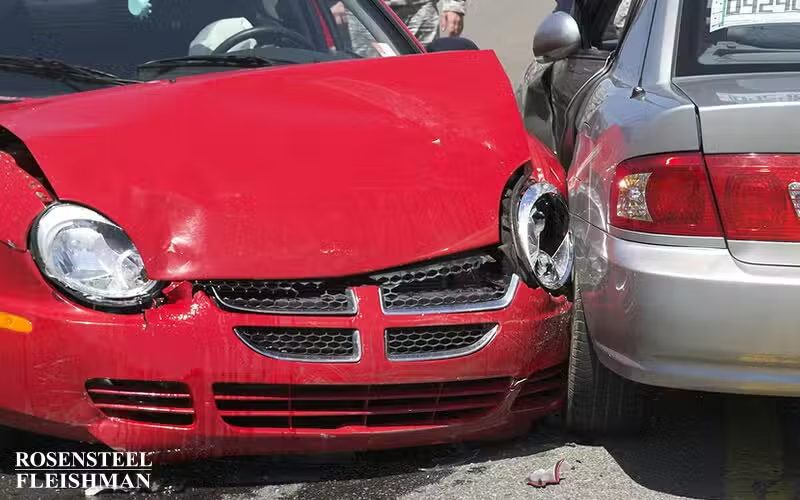

A last-clear-chance question is not a shortcut around contributory negligence: it depends on a close reconstruction of the sequence, the position of peril, what could be seen, and whether there was time and means to avoid injury.
North Carolina cases treat last clear chance as a fact-specific doctrine. This page does not state its elements for any particular matter or decide whether it applies. Its limited purpose is to identify the evidence that is often lost when the sequence is described only in general terms.
Build the timing record
- Exact location, lanes, direction, traffic controls, lighting, weather, sight lines, speed evidence, vehicle position, point of impact, and distance between vehicles or people.
- Original photos, video, camera locations, witness details, vehicle data, dispatch records, inspection material, report number, and reconstruction information when available.
- A chronology distinguishing an observation from an inference: what was seen, when it was seen, what action was possible, and which source supports each point.
Keep related defenses and evidence distinct
G.S. 1-139 addresses pleading of affirmative defenses. The factual and procedural treatment of contributory negligence, last clear chance, causation, and any other defense can differ. A label in an insurance letter or a summary of a crash does not replace the complete record and current law.
The related guide to contributory-negligence evidence questions explains why a percentage or isolated fact is not a final legal result.
Rosensteel Fleishman Car Accident & Injury Lawyers provides general information about discussing a North Carolina personal-injury matter. Evidence, procedure, defenses, causation, damages, and deadlines require individual review.
Source
Additional Personal Injury Articles
Vocational Rehabilitation Costs and Lost Earnings After a Bicycle Injury
Work disruptions after a bicycle injury can involve more than missed paychecks. Separating employment support expenses, lost income, and future earning concerns helps make the financial picture clearer.
Reassessing Road Risks Before Returning to Motorcycle Riding After a Crash in Charlotte
Reconsidering motorcycle travel after a crash means separating road concerns from assumptions about fault. Clear records can help connect everyday transportation decisions with unresolved claim questions.
Charlotte Distracted Driving Crashes and Their Effects on Work and Family
When a crash disrupts more work and family responsibilities than expected, dated records can help explain what changed. Keep observations about distraction separate from records of daily consequences.



