
A career change after a fall involves more than tuition. Clear records can connect training expenses, changed job duties, and lost earnings without assuming every cost will be covered.
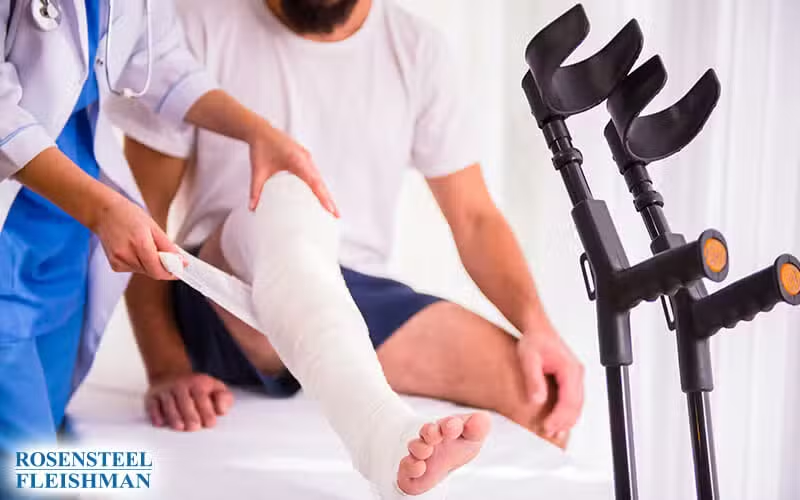

A symptom diary can help you describe what changed in everyday life after a fall. Its value comes from specific, dated observations, not from proving a diagnosis or predicting recovery. The key is to connect what you personally experienced with practical consequences, such as a missed shift, a changed household responsibility, or an added expense, while keeping assumptions separate from facts.
In a hypothetical Charlotte household, a family member might take over school pickups while another person rearranges work hours after a fall. A diary can preserve when those arrangements changed and what they involved, rather than leaving everyone to reconstruct the details later. If you share records with Rosensteel Fleishman Law Firm or another slip and fall law firm, distinguish your own observations from estimates and information supplied by relatives.
Overview: A useful diary connects personal experiences with concrete details while leaving medical and legal conclusions unresolved.
- Date observations and identify entries written later.
- Describe specific effects on work and household tasks.
- Keep related receipts, calendars, and messages.
- Record changes honestly, including uneventful days.
Record Observations Without Filling In the Gaps
The first difficulty is deciding what belongs in an entry without turning it into an explanation of why something happened. Use ordinary language for what you experienced and describe the surrounding circumstances. An observation that followed a fall is not, by itself, proof of an injury or its cause.
For a symptom diary during fall recovery, a consistent format is more useful than polished writing. A paper notebook and a digital document can serve the same purpose; choose a format you can date, maintain, and preserve. If you write an entry from memory several days later, identify both the date of the event and the date you recorded it.
- The date and approximate time of the observation.
- What you personally noticed, in your own words.
- A task, plan, or responsibility that changed.
- Who helped and what they actually did.
- A related receipt, message, or calendar entry.
For example, a hypothetical entry might read, “Wednesday evening: I noticed discomfort while putting away groceries. My sister finished the task, which I usually do.” This describes an experience and a change in responsibilities without assigning a diagnosis. Avoid replacing that detail with a broad statement such as “I cannot do anything anymore.”
Record days when plans did not change, too, rather than documenting only difficult moments. If you do not remember a detail, say so. When correcting an entry, preserve the original wording and add a dated correction instead of silently rewriting the record.
Connect Daily Entries With Family and Claim Records
The next challenge is showing how individual experiences affected responsibilities over time without counting the same consequence twice. Keep the diary as a dated account, then use a separate expense record or calendar for amounts and schedules. Refer between them by date so that each record has a clear purpose.
A family member providing unpaid help is different from a household paying for a service. Record who performed a task, whether money changed hands, and whether a time estimate is approximate. For work changes, separate your recollection from an employer’s schedule or pay record rather than presenting them as interchangeable.
For a claim discussion, organize diary entries alongside incident records, photographs, receipts, and relevant correspondence. Each serves a different purpose: an entry about missed work does not establish what caused the fall, and a receipt does not explain the whole effect on a household. Do not assume that recording an expense means it will be reimbursed or that a diary settles responsibility for the incident.
Families may also reconsider future commitments as responsibilities shift. Separate arrangements already made from possibilities still under discussion. “Paid for childcare on Friday” records an event; “may need childcare next month” records an unresolved planning question, not an incurred expense.
Build a Record You Can Use Later
Set up a simple way to find the material behind each entry. Keep original receipts and messages, use clear file names, and preserve a copy of digital notes. A short index by date can connect the diary to supporting documents without requiring you to rewrite the full account.
Before sharing records for a claim, clarify what information is being requested and keep a copy of what you provide. Identify missing records or uncertain details openly rather than trying to make the account appear complete. Clear limits are more useful than explanations added only to fill a gap.
Separate Current Needs From Future Decisions
Use a separate household planning note for responsibilities that still need discussion, such as transportation, childcare, or work scheduling. Link it to relevant diary dates, but distinguish current arrangements from tentative plans. This gives family members a practical reference without presenting every concern as a settled consequence.
The diary does not need to tell a dramatic story. It needs to preserve an honest account of what happened, what changed, and what remains uncertain so your family can make decisions with fewer details left to memory.
Additional Slip and Falls Articles
Lost Overtime and Bonuses in Charlotte Fall Injury Claims
Overtime and bonuses need more than a before-and-after paycheck comparison. Work schedules, pay rules, and employer explanations can help clarify what income was missed and what remains uncertain.
Income Impact After Fall Injury and Documenting Financial Changes in Charlotte, NC
In Charlotte, the financial consequences of a fall may become clearer over time. A person might initially expect to miss only a few shifts, then face continuing work restrictions, reduced hours, or difficulty completing the same duties. When medical records and employment documents change during recovery, an insurance company may question whether every reported loss […]
Discharge Criteria After Fall Injury and What Signals Readiness for the Next Step
Leaving a hospital, rehabilitation facility, or other care setting after a fall does not necessarily mean recovery is complete. Discharge usually marks a transition from one stage of care to another, with decisions shaped by documented function, safety concerns, available support, and the follow-up plan established by the treating providers. For someone injured in a […]



