A practical budget separates actual spending, shared household purchases, and uncertain future expenses. Clear records can help explain scar-related costs without making medical or legal assumptions.
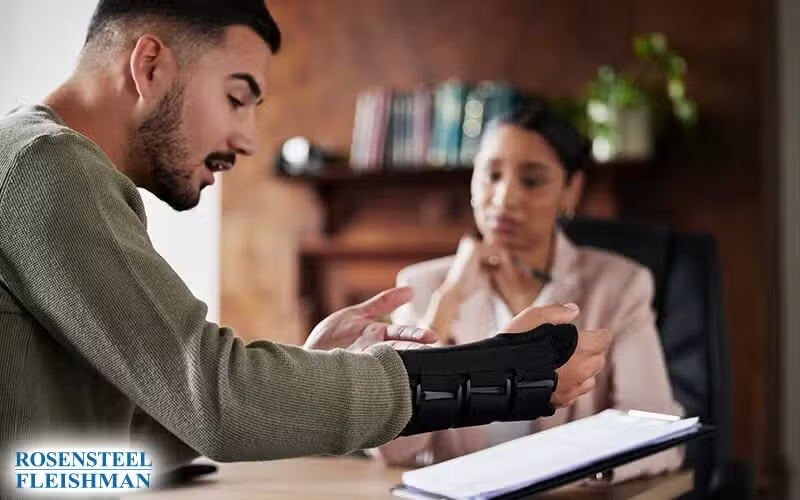

In Charlotte, North Carolina, understanding the paperwork around hand therapy can make the practical questions after a dog bite more manageable. If you are comparing arrangements because of hand coordination difficulties, separate scheduling, costs, and daily limitations from medical decisions that this article cannot resolve. For dog bite injury claims, the useful starting point is a dated account of the incident and its practical effects, not an assumption about what a coordination problem means medically. Keep claim timing in view as well: a missed deadline may limit available options even when the underlying claim appears strong.
Attorney Corey Rosensteel: "A record should distinguish what happened from what remains uncertain. Keep dates and notices alongside the details of how daily tasks have changed."
Overview
- Separate existing care documentation from your own observations about hand use.
- Track appointment arrangements, expenses, and changes in work or household responsibilities.
- A deadline question for a dog bite attorney should include the incident date and any notices already received.
Separate Therapy Arrangements From Medical Conclusions
For the practical side of hand therapy, start with what existing paperwork actually states. A referral, appointment confirmation, cost estimate, and insurance message answer different questions. Keep them distinct rather than treating any one document as a complete explanation of the care arrangement or the injury claim.
This article does not compare therapy methods or determine which option is appropriate for an individual. Difficulty using keys, fastening clothing, or handling small objects does not, by itself, establish a diagnosis or explain why the difficulty exists. In records concerning hand coordination problems after dog bite injuries, describe the task and what happened without adding a medical conclusion.
When comparing appointment arrangements already offered to you, administrative details can clarify their practical differences. Ask what the quoted price includes, whether an insurance response is still pending, and what scheduling or cancellation terms apply. Record who supplied each answer and whether it was an estimate or a confirmed term.
Keep a compact record with these separate categories. This makes it easier to answer a specific question without searching through unrelated messages.
- Incident details, including the date, location, and available witness information.
- Existing referrals, appointment confirmations, and care records.
- Insurance correspondence, estimates, invoices, and payment receipts.
- Dated descriptions of task difficulties and help received.
- Work records and claim notices with stated response dates.
Appointment logistics deserve their own space in that record. Note actual travel expenses, time away from work, or paid household assistance rather than combining them into a single estimate. Recording an expense does not establish that someone else must reimburse it, but it preserves the details needed to examine that question.
Document Daily Effects Without Losing Track of Claim Timing
A useful daily note identifies a specific task, the date, and the practical consequence. Instead of writing only that coordination was poor, describe whether a task took longer, remained unfinished, or required help. Distinguish your own account from anything documented by a medical provider.
For example, in a hypothetical situation, someone who handles small parts at work might record that a particular assignment was reassigned and attach the related supervisor message. If their pay changed, a separate payroll record would help describe that financial effect. The task note, supervisor message, and pay record address different facts; none should be presented as proof of a particular injury.
Keep earlier records when circumstances change. If a work arrangement is revised or an invoice is corrected, add the new document with its date rather than replacing the earlier version. A clear sequence helps explain apparent inconsistencies without guessing about what happened.
Claim timing needs a separate calendar from therapy appointments. Do not assume that an open insurance conversation, a future appointment, or an outstanding bill means every claim option remains available. A missed deadline may limit those options even if the documentation is otherwise persuasive.
There is no single filing date supplied here for an individual case. Preserve the incident date, the date each notice arrived, and any response date stated in the correspondence so the applicable requirements can be checked. If a date is unclear, flag the uncertainty rather than calculating a legal deadline from an unrelated example online.
Before submitting records, distinguish confirmed amounts from estimates and paid bills from unpaid balances. Keep a copy of what you sent, when you sent it, and any acknowledgment. Those details document the exchange without suggesting that receipt means the claim or expense has been accepted.
Turn Unresolved Details Into Clear Questions
The next practical step is to identify what remains unanswered rather than collect paperwork without a purpose. A missing appointment estimate belongs on a different question list from an unexplained payroll change or an uncertain claim date. Assign each question to the relevant document or contact and record the answer when it arrives.
If you discuss the matter with dog bite lawyers, separate the deadline question from questions about documenting expenses and daily limitations. For a discussion with Rosensteel Fleishman Law Firm, that same distinction keeps the conversation focused on the specific uncertainties in your records rather than assumptions about the claim's outcome.
A Manageable Record for Everyday Stability
Use a recordkeeping format you can maintain, whether that is a dated notebook or clearly named electronic folders. Keep original documents and add short explanations only where they clarify an expense, scheduling change, or task difficulty. You do not need to turn each entry into an argument about fault or a prediction about recovery.
The practical aim is to keep paperwork from becoming another source of uncertainty while recovery and everyday stability remain the focus. Know which questions concern care arrangements, which concern costs, and which require a timely claim response. That separation gives you a clearer picture of what is known and what still needs an answer.
Additional Dog Bites Articles
Tissue Healing Variability Dog Bites and Why Recovery Timelines Can Differ
Why can two people with similar-looking dog bite injuries have very different recovery records? The answer often lies beneath the surface. The location and depth of the wound, the structures involved, complications documented by medical providers, and personal health factors can all affect how the injury develops over time. Those differences can become important during […]
Return to Hobbies Dog Bite Injuries and How Activity Goals May Change During Recovery
Can returning to a favorite activity affect how the impact of a dog bite is understood? It can. Hobbies often reveal limitations that may not be apparent from medical expenses or time away from work alone. Someone may complete routine job duties but still have difficulty gardening, playing tennis, riding a bicycle, working with tools, […]
Social Anxiety Dog Bite Recovery and How Emotional Effects May Develop Over Time
Emotional effects after a dog bite may become noticeable after the immediate disruption has passed. A person who previously felt comfortable around dogs might begin avoiding certain homes, sidewalks, parks, or social events. Children may rely more heavily on a parent, resist familiar activities, or have difficulty describing why they feel uneasy. These changes are […]