
A gap in appointments does not explain what happened at home. Organized records can help distinguish missed visits, participation barriers, and unresolved questions in a dog bite claim.
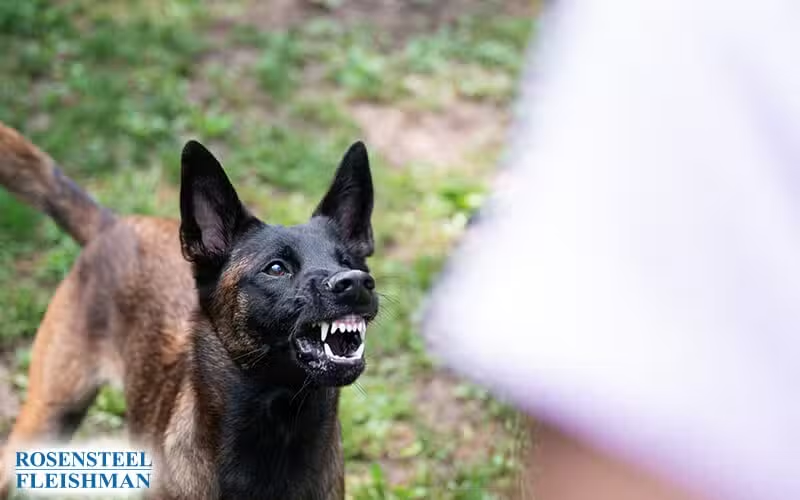

Possible rabies exposure after a dog bite calls for prompt medical and public-health assessment. North Carolina public health guidance describes a rabies exposure as urgent, and the CDC says clinicians assess the type of exposure and the animal’s circumstances. Do not wait for symptoms, a claim decision or the end of an animal-observation period before contacting a healthcare professional.
Give the clinician and animal-control officer concrete facts
Report when and where the bite occurred, the type and location of contact, whether skin was broken, and what is known about the dog’s identity, owner, vaccination record, health and availability. State what is unknown rather than guessing. If the dog can no longer be found or appears ill, tell the clinician and local public-health or animal-control authorities promptly. Do not try to capture or examine the animal yourself.
The healthcare professional can assess wound care, infection or tetanus concerns and whether rabies post-exposure prevention should be started. Those decisions depend on the actual exposure and public-health guidance. A dog’s reported vaccination status or a planned confinement does not, by itself, replace the patient’s medical assessment.
Understand the separate animal-control process
In Mecklenburg County, Charlotte-Mecklenburg Animal Care & Control explains its bite investigation and dog confinement process. Officers and public-health officials, rather than a claimant, decide animal handling and observation. Keep the bite report or call number, the officer or agency, the animal identity information given, and any official update. Ask the treating professional or health department how an animal-status update affects care; do not self-cancel a recommendation.
Keep the health decision ahead of the claim file
Later, retain the provider’s assessment, any public-health direction, animal-control report and actual charges as separate records. The report may explain what officials learned about the dog; it does not establish legal liability or insurance coverage. Rosensteel Fleishman Car Accident & Injury Lawyers provides general information about dog-bite claims involving rabies-risk records, but a medical or public-health decision must be made with qualified professionals.
Sources
Additional Dog Bites Articles
Medical Clearance and Work Restrictions After a Dog Bite
A work release may not explain every task or scheduling change. Keep the written restrictions, employer response, and resulting hours and pay together.
Dog Bite Claims Involving More Than One Responsible Party
When a dog owner, caretaker, or property occupant is connected to an incident, each person’s role needs separate attention. Clear records help distinguish involvement from responsibility.
Lost Business Income After a Dog Bite
Canceled bookings do not tell the whole financial story. Clear records can distinguish missed earnings, added expenses, and uncertain future work after a dog bite.



