A serious bicycle crash can change how a person moves through daily life, handles work, manages transportation, and makes decisions about medical care. In Charlotte, where cyclists may share busy streets with commuter traffic, delivery vehicles, and turning drivers, the path back to routine can involve more than physical healing. It often requires understanding the […]
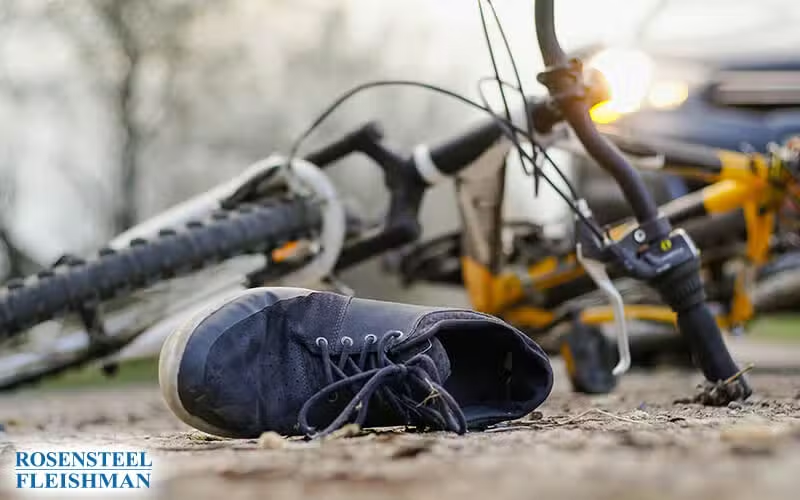

Recovery after a bicycle accident is rarely the same from one person to the next because healing depends on more than the injury itself. The type of impact, the rider’s health before the crash, access to medical care, work demands, transportation, sleep, stress, and daily surroundings can all influence how steadily someone improves after an accident in North Carolina.
For riders who are trying to understand their recovery after a crash, it can help to look at both the medical side and the practical day-to-day issues that may slow progress. When questions about treatment, missed work, insurance communication, or documentation begin to overlap, speaking with a bicycle accident attorney in Charlotte can provide useful direction while the injured person focuses on getting stronger and regaining stability.
For many injured cyclists, the hardest part is not only dealing with pain. It is trying to understand why progress feels uneven. One person may return to normal routines quickly, while another with a similar injury may struggle for weeks or months. As Attorney Matthew Fleishman has noted, “Recovery often depends on what happens after the crash, not just what happened during it.” That idea is especially important when looking at healing variability bicycle injuries and the practical barriers that can slow progress.
Article Brief
Bicycle injury recovery can be affected by medical, personal, and environmental factors. Pain, limited transportation, work pressure, poor rest, and delayed treatment may all change the pace of healing, making documentation and steady follow up important after a crash.
Why Bicycle Accident Recovery Can Change From Day to Day
A person’s recovery path can look uneven because the body responds to injury in stages, and everyday life can either support or interrupt those stages. Swelling, stiffness, nerve irritation, bruising, muscle strain, and joint pain may improve gradually, but symptoms can flare when someone returns to activity too quickly or cannot avoid the movements that aggravate the injury.
Environmental factors often play a larger role than people expect. A cyclist who lives in a walkable area with nearby medical providers may have an easier time attending appointments than someone who depends on rides from family or public transportation. A person who works a desk job may be able to rest an injured knee or shoulder more easily than someone who stands, lifts, drives, or climbs stairs all day. These differences can make two similar injuries feel completely different in real life.
Weather, road layout, and local traffic patterns can also affect recovery decisions. For example, a cyclist injured near a busy Charlotte intersection may feel anxious about riding again, especially if the crash happened during a commute. Even after physical symptoms start improving, that person may need time to rebuild confidence, arrange alternate transportation, and adjust work or family routines. These practical issues can affect medical consistency, daily comfort, and the overall pace of recovery.
Common Barriers That Can Slow Healing
Barriers to recovery are not always dramatic. Sometimes they are ordinary problems that build over time. Missing one appointment because of transportation trouble may not seem serious, but repeated delays can create gaps in treatment. Returning to work before the body is ready may seem necessary financially, but it can worsen pain or extend the recovery timeline.
Several common issues can affect healing after a bicycle accident:
- Delayed medical evaluation after the crash
- Inconsistent physical therapy or follow up care
- Work duties that require lifting, standing, bending, or driving
- Sleep disruption caused by pain or stress
- Limited transportation after the bicycle is damaged
These barriers matter because injury claims often depend on clear records showing what happened, what symptoms followed, and how the injury affected daily life. When care is interrupted, insurance companies may question whether the injury was serious or whether symptoms were connected to the crash. That does not mean a person did anything wrong. It simply shows why consistent documentation can be helpful when recovery is complicated by real life.
How Daily Activity Can Affect Symptoms
After a bicycle crash, normal activities can become harder than expected. Carrying groceries, climbing stairs, turning the neck while driving, sitting through a workday, or lifting a child may trigger discomfort. These small activities help explain why recovery is not always measured only by whether a bone is broken or whether a scan shows visible damage.
Soft tissue injuries, concussions, back pain, and shoulder injuries can be especially unpredictable. A person may feel better in the morning, then experience pain after a full day of movement. Another person may feel physically improved but struggle with headaches, dizziness, or concentration problems. These symptoms can affect work performance, household responsibilities, and emotional steadiness, even when the person is trying to stay positive.
A realistic example may involve a rider in Charlotte who is hit by a turning vehicle while biking to work. At first, the rider thinks the soreness will fade with rest. A few days later, knee pain makes stairs difficult, shoulder stiffness affects sleep, and the damaged bicycle creates transportation problems. As appointments become harder to keep, recovery slows, and the financial pressure of missed work starts to grow. This kind of situation shows how medical healing, daily logistics, and claim documentation can become connected.
Building Stability After a Bicycle Injury
Recovery becomes easier to manage when injured cyclists pay attention to both symptoms and circumstances. Medical care is important, but so is understanding how daily life affects healing. Keeping track of pain levels, missed work, appointment dates, medication use, transportation problems, and activity limitations can create a clearer picture of what the recovery process actually looks like.
It can also help to avoid comparing one recovery timeline to another. Bicycle accident injuries vary widely, and progress may depend on factors that are not immediately visible. A person with strong support at home, flexible work duties, and quick access to care may heal differently than someone facing long commutes, financial stress, or physically demanding responsibilities.
When Legal Guidance May Help Clarify the Next Step
When recovery feels uncertain, speaking with someone who understands bicycle accident claims can help bring structure to the situation. This is not only about filing paperwork. It can also involve understanding how medical records, treatment gaps, insurance questions, and daily limitations may affect a claim.
Rosensteel Fleishman works with injured people in Charlotte and throughout North Carolina who are trying to make sense of recovery after a crash. For someone dealing with medical bills, missed income, or questions from an insurance company, a conversation with a bicycle collision compensation lawyer can provide a clearer sense of what information matters and how to protect the claim while focusing on healing.
The main takeaway is simple. Recovery after a bicycle accident is not always predictable, and uneven progress does not mean the injury is unimportant. Paying attention to medical care, daily barriers, and clear documentation can help injured cyclists move forward with more stability and better information.
Additional Bicycle Accidents Articles
Benefit Coordination Bicycle Recovery Issues That Can Affect Medical and Wage Support
Coordinating benefits after a bicycle crash can affect how medical bills are paid, how missed work is documented, and how fault is evaluated when more than one source of support may be involved. In Charlotte, a rider may be dealing with health insurance, auto insurance, employer leave policies, short term disability, workers’ compensation questions, or […]
Communication with Employer Bicycle Injuries and Work Planning After a Crash
In Charlotte, NC, a bicycle crash can quickly affect more than medical appointments and bike repairs. For many families, the harder part is figuring out what to say at work, how much detail to share, and how to keep track of deadlines while recovery is still unfolding. Good communication with employer bicycle injuries can help […]
Fear of Traffic After Bicycle Accident in Charlotte and How It Can Shape Recovery
What should a person do when riding near cars suddenly feels unsafe after a bicycle crash? For many people in Charlotte, that reaction is not unusual, especially when the body is still healing and the mind is still trying to process what happened. A bicycle accident can leave visible injuries, but it can also cause […]