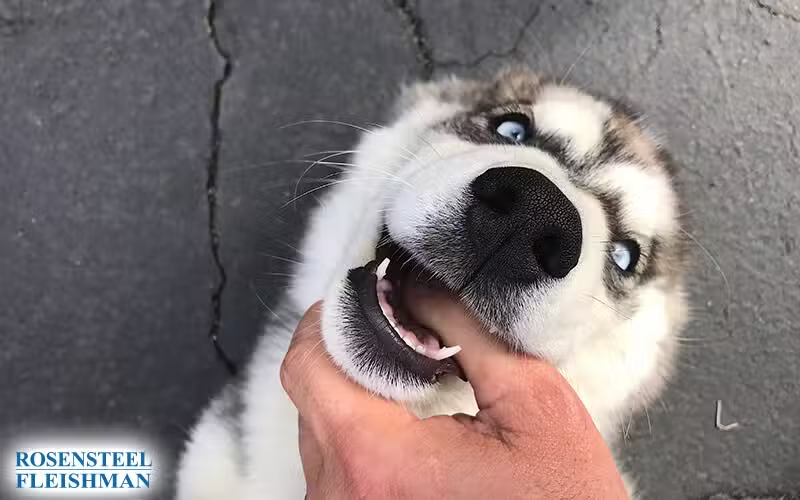
Dog bite injuries in Charlotte often appear manageable at first, especially when wounds are cleaned and treated quickly. However, recovery is not always straightforward. Symptoms like stiffness, nerve sensitivity, or infection can develop days or even weeks later, making early assumptions about healing unreliable. This is why consistent monitoring plays a larger role than many people expect.

In many residential neighborhoods, such as those around SouthPark or near I-77 corridors, dog bites can happen during routine activities like walking or visiting neighbors. What starts as a minor incident can evolve into a more complex recovery process. As Attorney Corey Rosensteel explains, “It is not unusual for people to underestimate how their condition may change over time, especially when symptoms appear gradually.”

Tracking recovery over time helps identify changes that might otherwise go unnoticed. Without structured follow-ups, people may miss signs that require additional care or documentation. This becomes especially important when the injury affects daily routines or work responsibilities.

TLDR

  • Recovery from dog bites can change over time due to delayed symptoms
  • Progress reviews help detect complications early and adjust treatment
  • Skipping follow-ups may lead to longer healing or missed documentation
  • Consistent tracking supports both medical care and potential claims

Why Consistent Monitoring Shapes Recovery Outcomes

Recovery from a dog bite is rarely a straight path, even when the injury seems minor. Initial treatment may address visible wounds, but underlying issues such as tissue damage or infection can evolve over time. Progress reviews create a structured way to measure healing and catch complications before they worsen.

Without regular check-ins, small problems can turn into larger setbacks. For example, swelling that lingers longer than expected might indicate deeper inflammation or infection. Comparing early progress with later changes helps both patients and providers make better decisions about treatment adjustments.

This becomes especially relevant in community settings where daily routines continue despite injury. A person returning to work too soon without monitoring progress may unknowingly slow their recovery. Regular evaluations allow for adjustments that align with real healing timelines rather than assumptions.

How Progress Reviews Support Medical and Legal Clarity

Beyond physical healing, consistent reviews also play a role in documenting how an injury develops. This documentation can be important if questions arise about the severity or long-term impact of the injury. Clear records help connect symptoms to the original incident rather than leaving gaps that can be questioned later.

In situations where injuries affect work or daily life, having a documented timeline becomes valuable. Someone who experiences increased pain weeks after a bite may struggle to explain the connection without consistent records. This is one reason many people explore resources related to Charlotte dog bite compensation attorney support when navigating recovery and related concerns.

Insurance companies often look closely at timelines. Gaps in treatment or inconsistent follow-ups can raise doubts, even when the injury is legitimate. Progress reviews help reduce these uncertainties by providing a clearer picture of how the injury has evolved.

Common Missteps That Affect Long Term Healing

One of the most common mistakes is assuming that improvement in the first few days means the injury is fully healing. This misconception can lead to skipped appointments or reduced attention to symptoms that appear later. Progress reviews help prevent this by reinforcing that recovery is a process, not a single moment.

Another overlooked issue is underreporting discomfort. People often adjust to mild pain or limited movement without realizing it may signal a larger concern. Regular evaluations encourage more accurate reporting, which leads to better care decisions.

A realistic example might involve someone in a Charlotte suburb who resumes normal activity after a bite, only to experience increasing stiffness in their hand weeks later. Without earlier documentation or follow-up, connecting that change to the original injury becomes more difficult. This can affect both treatment outcomes and any related claims.

What To Keep In Mind As Recovery Continues

Recovery from a dog bite does not follow a predictable timeline, and small decisions along the way can have lasting effects. Staying consistent with progress reviews helps create a clearer understanding of how the body is responding and whether adjustments are needed. It also reduces the chances of overlooking issues that could extend recovery time.

In many cases, people benefit from treating follow-ups as part of the recovery process rather than an optional step. This mindset helps ensure that any changes, whether improvement or setbacks, are addressed promptly and documented properly. Over time, this approach can make a noticeable difference in both physical recovery and overall peace of mind.

When To Seek Additional Input

If symptoms worsen, change unexpectedly, or interfere with daily activities, it may be time to get additional guidance. Waiting too long can make it harder to address complications effectively. Reaching out for clarity early often leads to better outcomes.

How Local Support Can Help

For those in Charlotte, having access to experienced professionals who understand injury patterns and recovery timelines can be helpful. Rosensteel Fleishman Law Firm is known in the community for offering clear, steady guidance to individuals dealing with injury-related concerns. Speaking with someone familiar with these situations can provide useful perspective without pressure.

Staying aware of how recovery evolves and taking timely action when needed can help avoid unnecessary setbacks and support a smoother path forward.