Families often think about crash safety in terms of seat belts, airbags, and where children are seated, but unusual seating positions can change how those protections work. A passenger who is reclined far back, leaning toward the center console, resting their feet on the dashboard, or sitting at an angle may not interact with a […]
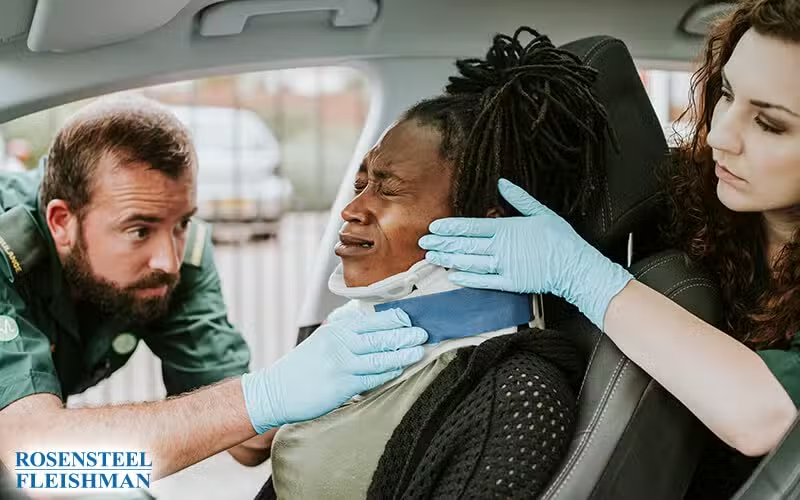

How Medical Care Influences Recovery After A Collision
What helps someone heal more steadily after a crash. Consistent medical attention often plays a key role in both physical recovery and understanding how injuries affect daily life over time. Many people initially focus on immediate pain or visible injuries, but long term comfort and stability often depend on follow up treatment, monitoring, and thoughtful documentation of symptoms.
In busy areas like Charlotte, where traffic on roads such as Independence Boulevard or I 77 can increase the likelihood of collisions, even a relatively minor incident can create lingering discomfort. Learning more about how Charlotte car accident claims are negotiated or choosing to talk with a Charlotte car accident lawyer can help individuals better understand how medical timelines and recovery patterns influence the overall claims process.
Medical visits also create a clearer picture of how injuries evolve. Early evaluation can help identify issues such as soft tissue strain, delayed concussion symptoms, or chronic inflammation that may not be obvious right after the event. When treatment is consistent, both patients and professionals gain a stronger understanding of the connection between care decisions and long term well being.
In simple terms, recovery outcomes often improve when people stay engaged with recommended care plans and track their symptoms thoughtfully.
TLDR
Ongoing treatment helps support physical healing while also building a clearer record of how injuries affect daily life.
- Follow up appointments help detect delayed symptoms
- Consistent care supports stronger recovery outcomes
- Medical records can clarify the impact of injuries
Why Understanding Pain And Suffering Matters In Injury Claims
Pain and suffering basics after accident situations often shape how compensation discussions develop. While medical bills and repair costs are easier to calculate, emotional strain, sleep disruption, reduced mobility, and changes in daily routines are more complex to measure. Recognizing these factors early can help individuals communicate their experiences more clearly and make informed decisions about next steps.
A realistic example might involve a commuter who was rear ended during morning traffic near Uptown Charlotte. Even after initial treatment, the person may struggle with stiffness that affects work performance or family activities. Over time, keeping a record of missed obligations or reduced comfort levels can provide meaningful insight into the broader impact of the injury. These personal details often help explain why pain related challenges extend beyond immediate physical damage.
Key Factors That Shape How Pain Is Evaluated
Several elements commonly influence how discomfort and disruption are viewed in a claim. These considerations help create a fuller understanding of what someone is experiencing day to day.
- Duration and consistency of symptoms
- Impact on work responsibilities or earning ability
- Changes in household or caregiving roles
- Emotional effects such as anxiety about driving
- Limitations on hobbies or normal routines
The Role Of Documentation In Strengthening A Claim
Clear documentation is often one of the most practical tools available after a collision. Medical notes, therapy progress reports, prescription records, and personal journals all contribute to a detailed timeline of recovery. When these materials are organized, they can help clarify how injuries developed and why ongoing treatment was necessary.
This layered approach to evidence becomes especially helpful if recovery takes longer than expected. For instance, a driver who initially declined imaging tests may later discover persistent back pain that requires extended therapy. Having records that show when symptoms began and how they progressed can prevent confusion during insurance discussions. Individuals who want to better understand how this process works can view the firm’s homepage to review general information about claim preparation and legal awareness.
Moving Forward With Confidence After An Injury Event
Healing after a crash often involves both patience and practical planning. Staying attentive to physical changes, following medical guidance, and documenting daily challenges can help people feel more in control during an uncertain time. These steps also make it easier to answer questions that may arise months after the incident, especially when recovery does not follow a predictable timeline.
For those who remain unsure about what their experience may mean for a future claim, it can be helpful to have a calm conversation with a knowledgeable professional. Rosensteel Fleishman Law Firm is a respected resource in Charlotte for individuals who want general guidance about injury related concerns. If someone prefers direct communication, they may choose to call 1-704-714-1450 to discuss their situation at a comfortable pace.
Taking thoughtful steps early can reduce confusion later. When people stay informed about treatment decisions and keep track of how injuries affect everyday life, they often feel better prepared to make steady and confident choices about their recovery path.
Additional Car Accidents Articles
Keeping Records After Claim Closure in Case New Issues Develop
After an insurance claim closes, the paperwork connected to the accident can still matter months or even years later. A driver may feel relieved when repairs are completed, medical bills appear resolved, and the insurer marks the file closed, but later developments can make old records important again. Symptoms may return, a medical provider may […]
Insurance Coverage Gaps for Injury Care After Benefits Run Out
A car accident can create medical needs that continue long after the first emergency room visit, particularly when rehabilitation, physical therapy, diagnostic testing, or follow-up treatment stretches across several months. For people recovering in Charlotte, the financial side of that care can become almost as complicated as the treatment itself. Different insurance policies may pay […]
Claims History Impact on Insurance When a Prior Claim Was Not Your Fault
A prior insurance claim can create confusion even when the accident was caused entirely by someone else. Insurance companies maintain records of reported losses, and those records may appear when a carrier reviews a new application, renews a policy, or investigates another accident. For drivers in Charlotte, understanding what information appears in a claims record […]