
A motorcycle crash should be reported promptly to law enforcement and the appropriate insurance companies, even when pain or numbness seems minor at first. Nerve symptoms may develop gradually, and a timely report creates an official record connecting the incident to the circumstances in which the injury occurred. Missing a reporting deadline or giving incomplete […]
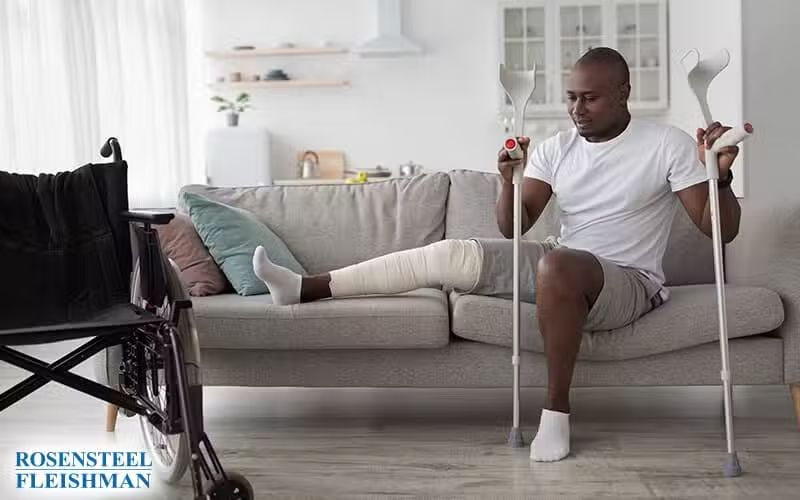

A broken arm can affect personal care, sleep, transportation, work, household tasks, and caregiving in different ways. A useful record does not assume that every fracture produces the same limits. It identifies the affected side and structure, the instruction in effect, the activity, and what actually occurred on a particular date.
A broken-arm function entry should identify the affected side and structure, current clinical instruction, activity attempted, hand or arm used, setting, duration, assistance or adaptation, reported response, recovery interval, and source.
Use the diagnosis and instructions in the medical record
MedlinePlus, a service of the National Library of Medicine, provides an overview of arm injuries and disorders and links to information about bones, joints, muscles, tendons, and other conditions. A legal article cannot diagnose a fracture, select a sling or brace, decide whether movement is safe, or set a healing schedule. Follow current instructions from qualified treating providers and seek appropriate care for urgent or changing health concerns.
- Right or left arm, upper arm, elbow, forearm, wrist, hand involvement, diagnosis or procedure wording, and the provider or record using each term
- Dominant hand before the event, prior injury or condition, usual activities, job demands, equipment, and any pre-event assistance or restriction
- Immobilization, device, movement, lifting, driving, work, bathing, wound, medication, therapy, or follow-up instruction exactly as documented
- Accident date, symptom or diagnosis date, imaging, procedure, appointment, changed instruction, complication, later event, and correction to the chronology
Describe the task instead of writing “limited use”
- Dressing, bathing, grooming, toileting, eating, food preparation, medication packaging, and personal-device use
- Sleeping position, getting into or out of bed, nighttime interruption, pillow or device used, and reported next-day effect
- Opening doors or containers, carrying groceries, laundry, cleaning, cooking, pet care, home maintenance, and shopping
- Typing, writing, telephone use, tools, machinery, lifting, pushing, pulling, reaching, driving, and employer-specific duties
- Child care, family care, mobility assistance for another person, recreation, exercise, and appointments
Record duration, assistance, and adaptation
- Task attempted, start and stop time or number completed, usual method, changed method, unaffected hand use, device, and setting
- Person assisting, relationship, task performed, frequency, duration, whether help was paid, and source such as a message, calendar, receipt, or witness
- Work schedule, duty modification, leave, transportation change, missed event, delayed task, or replacement service and the underlying record
- Reported pain, fatigue, numbness, swelling, stiffness, weakness, sleep disruption, or another response described without assigning a medical cause
- Break, recovery interval, better or worse period, instruction change, medication timing as documented, and next clinical review
Connect the function log to source records
The U.S. Department of Health and Human Services explains that, with exceptions, an individual may inspect, review, and receive copies of medical and billing records held by covered providers and health plans. Preserve encounter notes, imaging reports and available images, procedure records, device orders, restrictions, work notes, therapy measures, referrals, and billing records. If an entry is materially wrong, preserve the original and make a dated correction request rather than rewriting the history.
Keep observation separate from medical opinion
North Carolina Evidence Rule 701 addresses lay opinions based on perception and helpfulness. A patient, family member, coworker, or other witness can describe personally observed use, time, assistance, movement, task completion, or change without assigning a diagnosis or medical cause.
Rule 702 addresses qualified expert testimony. Medical causation, prognosis, permanence, future restrictions, and technical interpretation of imaging or treatment require an appropriate foundation. A daily log can organize facts but does not replace a clinical opinion.
Use one repeatable entry format
- Date and time, affected side, instruction in effect, task, usual method, method attempted, setting, and duration or amount
- Assistance, device, adaptation, pause, reported response, recovery interval, consequence, and related source record
- Work, transportation, household, personal-care, sleep, caregiving, or recreation effect stated specifically
- Changed instruction, new event, prior-condition issue, correction, unresolved medical question, and person notified
The related guide to documenting pain, functional change, and financial loss after an injury places the arm-specific entry within a broader claim record. This page owns daily function during broken-arm recovery.
Rosensteel Fleishman Car Accident & Injury Lawyers provides information about North Carolina personal-injury claims involving broken-arm limitations. Medical care, causation, legal responsibility, and recoverable loss depend on the complete individual record.
Sources
Additional Personal Injury Articles
How Treatment Justification Affects an Injury Claim and the Review Process
Charlotte’s continued growth means more vehicles, changing traffic patterns, construction activity, and daily travel across busy roads, which can also create more situations where people are hurt in crashes or other unexpected incidents. When an injury claim follows, the insurance company may look closely at not only what happened but also whether the medical treatment […]
How Counteroffers Work in Car Accident Settlements When New Evidence Emerges
For families in Charlotte, North Carolina, the weeks after a car accident can bring new information that was not available when an insurance claim first began. Follow-up medical appointments may reveal that an injury is taking longer to heal than expected, additional treatment may become necessary, or a doctor may identify limitations that were not […]
Planning Skills After Fall Recovery and Returning to Everyday Responsibilities
Rebuilding a dependable routine after a fall often happens one responsibility at a time. Even an injury that initially appears minor may continue affecting concentration, stamina, mobility, or confidence, which can make ordinary planning more difficult. Charlotte residents facing these challenges may also need to organize records, manage missed work, and understand whether speaking with […]



