Work disruptions after a bicycle injury can involve more than missed paychecks. Separating employment support expenses, lost income, and future earning concerns helps make the financial picture clearer.
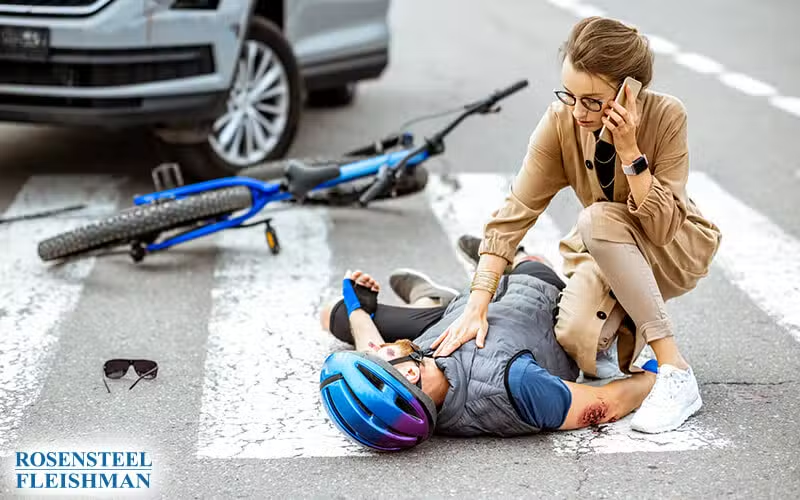

A bicycle crash can damage prescription glasses, sunglasses, contact-lens supplies, a helmet, the bicycle, clothing, or another object near the face. Medical care and scene safety come first. Once immediate needs are addressed, preserving those physical items and their context can prevent later questions about what existed, what changed, and who handled an item.
An eye-injury evidence record should keep medical care first while separately preserving the eyewear, helmet, bicycle, scene sources, visual baseline, and custody history that may later be reviewed.
Do not delay care to collect evidence
The National Eye Institute advises going to an eye doctor or emergency room for a serious eye injury or trauma and identifies intense eye pain, vision changes, blurry vision, very red or watery eyes, and an object stuck in the eye among reasons to seek prompt help on its corneal-conditions page. Follow emergency and treating-provider instructions. Do not remove an embedded object, handle a contaminated item, or interrupt treatment for photographs or property collection.
Photograph and package eyewear without changing it
- Glasses, sunglasses, sports eyewear, lens, frame, nose pad, temple piece, strap, case, cleaning cloth, contact-lens container, or other actual item identified
- Condition and location photographed from several views with a scale when safe, while preserving the original image files and metadata
- Brand, model, prescription or purchase source, date obtained, earlier repair, pre-crash photograph, ordinary wear, and known prior damage recorded
- No cleaning, bending, gluing, lens replacement, repair, testing, disposal, or demonstration until the item’s evidentiary role and safe handling have been reviewed
- Container, label, date, collector, storage location, transfer, inspection, return, and every opening or condition change entered in a custody log
Keep related equipment and scene context separate
- Helmet, visor if present, bicycle, light, camera, clothing, bag, broken component, road debris, vehicle part, and other item retained without assuming it caused the eye injury
- Exact scene location, bicycle and vehicle positions, sight lines, roadway or path condition, lighting, weather, construction, sign, signal, and object location documented by source
- Photograph, video, 911 or dispatch record, crash report, witness account, business or residential camera, and device data requested from the identified custodian
- Repair, salvage, storage, insurer inspection, property release, or transfer request logged before physical control changes
Build the pre-crash visual and eyewear baseline
- Most recent prescription, examination, diagnosis, procedure, corrected vision, device, restriction, and follow-up plan before the crash
- Eyewear normally used for riding, driving, reading, screens, work, or another activity, with the source for each statement
- Earlier eye injury, symptom, accommodation, contact-lens issue, glare or depth concern, and any period of changed vision preserved rather than omitted
- Post-crash emergency, ophthalmology, optometry, imaging, test, prescription, device, restriction, and later change retained by date and provider
HHS explains that HIPAA access rights generally include a broad array of information in a covered entity’s designated record set, subject to identified exceptions. Its access guidance includes medical records, billing and payment records, test reports, X-rays, and prescription information. Request the relevant source record and images instead of relying only on a portal summary.
Preserve identity and custody information
North Carolina Rule of Evidence 901 addresses evidence sufficient to support a finding that an item is what its proponent claims. A personal evidence log is not an admissibility ruling, but it can retain the knowledgeable witness, distinctive characteristics, original photograph, collection, storage, transfer, and change information that a later reviewer may need.
- Unique description and photograph for each item rather than one bag described collectively
- Person collecting, exact location, date and time, reason, packaging, seal or identifier, storage condition, and access history
- Owner, insurer, repair shop, law-enforcement agency, medical facility, witness, or other custodian kept separate
- Missing item, changed condition, broken seal, unavailable original, copied image, screenshot, or uncertain identity disclosed rather than repaired in the record
Do not turn damage into a medical conclusion
Rule 702 addresses qualified expert testimony and its factual and methodological foundation. Broken eyewear, a marked helmet, a photograph, or a later visual complaint may be relevant, but none alone establishes the mechanism, diagnosis, medical causation, permanence, or legal value of an eye injury. Keep the physical evidence and medical analysis in connected but separate records.
Track function and accommodations in the related record
The related guide to documenting visual-function changes and accommodation needs after an eye injury covers reading, screens, glare, depth judgment, navigation, driving, work, devices, and daily tasks. This page owns the physical eyewear and bicycle-crash scene evidence.
Rosensteel Fleishman Car Accident & Injury Lawyers provides general information about North Carolina bicycle-accident claims involving eye injuries and physical evidence. Medical care, safe handling, lawful access, preservation, interpretation, and admissibility depend on the actual circumstances and qualified review.
Sources
Additional Bicycle Accidents Articles
How Insurers Evaluate Extra Work Breaks During Bicycle Injury Recovery
Extra breaks can change a workday without changing a paycheck. Clear records help distinguish interrupted tasks, unpaid time, and questions about responsibility for a bicycle accident.
Charlotte Street Lighting and Light Sensitivity After a Bicycle Injury
Street lighting at a crash scene and light sensitivity afterward raise different documentation questions. Clear records can help explain what happened, what changed, and what still needs legal review.
Using Bicycle Injury Recovery Reviews to Identify Lasting Limitations
Bicycle injury progress reviews can document continuing difficulties without proving that a limitation is permanent. Learn what to record and how to address conflicting accounts.