
Records created after an injury often serve different purposes. A crash report records an officer’s investigation, an emergency intake captures information available during treatment, an insurer log tracks a claim, and an employer record documents work. A difference among them does not automatically establish dishonesty, but a material error should be addressed through the channel […]
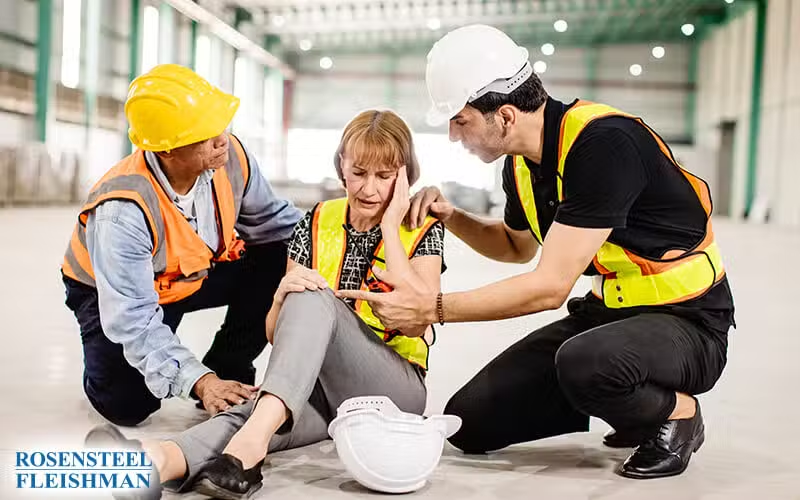

Paralysis after a workplace event can affect movement, sensation, breathing, bowel and bladder function, skin integrity, pain, mental health, communication, transportation, housing, work, and family responsibilities. The compensation record should be organized around documented needs and qualified opinions rather than a generic description of severity.
A paralysis claim needs a life-impact record that connects the work event and neurologic diagnosis to acute care, rehabilitation, attendant and equipment needs, accessibility, work capacity, wages, benefits, future planning, and changes over time.
Preserve the event and emergency record
Document the fall, vehicle crash, crush, impact, penetration, electrical event, violence, or other mechanism; scene evidence; witnesses; equipment; emergency response; transport; initial neurologic findings; imaging; surgery; and later events. Protect physical and electronic evidence without delaying medical care.
Build a neurologic and functional chronology
- Level and completeness of injury, motor and sensory findings, autonomic issues, pain, and complications
- Acute hospital, surgery, rehabilitation, therapy, medication, equipment, and follow-up
- Mobility, transfers, self-care, communication, cognition, skin care, sleep, and household function
- Restrictions, work capacity, transportation, home access, caregiver assistance, and changing needs
Define medical compensation from current law
G.S. 97-2 defines medical compensation and includes identified medical, hospital, nursing, rehabilitative, attendant-care, medication, travel, treatment, and supply categories. The need, causal relationship, frequency, provider, duration, and cost must be supported in the individual claim.
Track authorization and care coordination
G.S. 97-25 addresses medical compensation, employer-provided treatment, employee requests, second opinions, and Commission procedure. Maintain recommendations, prescriptions, authorizations, denials, scheduling, provider communications, care plans, work notes, and unresolved requests.
Create separate needs ledgers
- Clinical care: physicians, nursing, therapy, testing, medication, supplies, and complications
- Equipment: wheelchair, seating, lift, bed, pressure relief, communication, maintenance, and replacement
- Attendant care: task, provider, frequency, duration, training, documentation, and rate evidence
- Access and travel: vehicle, mileage, transportation, entrances, bathroom, bedroom, and worksite
- Economic: wages, leave, compensation, other benefits, expenses, and projected needs
Document family assistance without assumptions
Record who provided each task, when, for how long, why it was needed, training, competing responsibilities, out-of-pocket cost, and medical support. Family love and practical help are important facts, but the claim still needs clear documentation of compensable services and future needs.
Analyze wage and work capacity
G.S. 97-29 addresses total incapacity compensation. Preserve preinjury wages, medical restrictions, education, skills, job demands, offered work, transportation, accommodations, work attempts, post-injury earnings, and vocational evidence.
Plan for change, not a frozen snapshot
Identify current and future treatment, replacement cycles, attendant needs, complications, aging, accessibility, transportation, vocational options, and uncertainty. Separate present records from qualified projections and revisit the plan when function, care, housing, work, or family support changes.
Coordinate vocational questions
The related vocational rehabilitation guide explains assessments, restrictions, plans, labor-market evidence, participation, supported objections, job leads, and work attempts.
Rosensteel Fleishman Car Accident & Injury Lawyers provides information about workers’ compensation after paralyzing injuries in North Carolina.
Sources
Additional Law Articles Articles
Why Micronutrient Focus After Fall Recovery Matters During Early Healing
A fall in a busy Charlotte grocery store, apartment stairwell, or rain-slick parking area can produce injuries that change during the first weeks of recovery. Medical records may initially focus on pain, swelling, mobility, and imaging results, but later updates can add information about nutrition, fatigue, bone health, wound healing, or delayed progress. When those […]
How Different Accident Scenarios Affect Claims After a Multi Vehicle Crash
A claim’s value is usually built in stages, starting with what happened in the crash and continuing through the injured person’s recovery. In a multi vehicle accident, that process can take extra care because insurers are not only looking at repair bills and medical costs. They are also trying to understand whether the injury will […]
Car Accident Claim Strategy Basics When the Process Moves Slowly
Car accident claims can move slowly because the facts often develop in stages, especially when injuries, insurance reviews, and fault questions are still being evaluated. In Charlotte, a crash on a busy road like I-77, South Boulevard, or Independence Boulevard may seem straightforward at first, but new medical records, repair findings, witness details, or insurance […]


