A motorcycle crash can disrupt more than a rider’s health. It can affect work, family responsibilities, transportation, and household finances for weeks or months. Medical records created during that period help show how the injuries developed, how consistently the rider followed treatment recommendations, and when daily life began returning to normal. Why the Timeline Matters […]
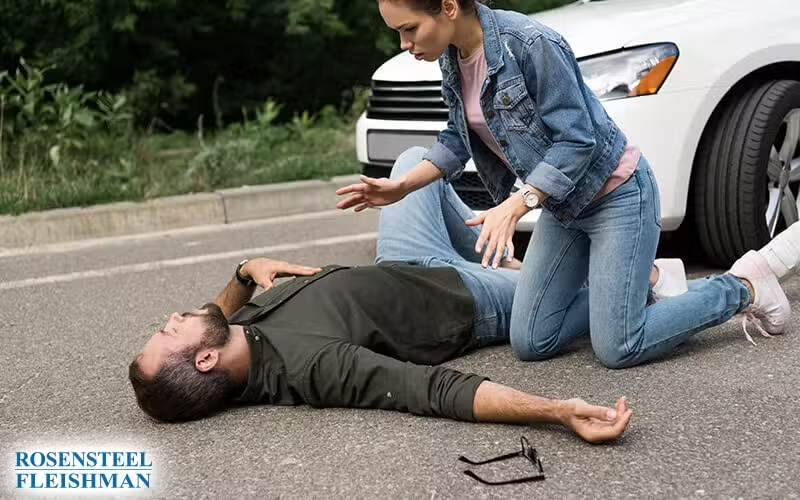

Pedestrian accidents can leave people with more questions than answers. One moment you are walking through a crosswalk, parking lot, neighborhood street, or busy Charlotte intersection, and the next you may be dealing with pain, medical appointments, insurance calls, missed work, and uncertainty about what comes next. It is normal to feel unsure about how serious the situation may become, especially when symptoms change over time or bills begin arriving before recovery is complete.
When questions start to build, clear information can make the process feel more manageable. A conversation with a pedestrian accident lawyer in Charlotte can help injured pedestrians better understand what details may matter, how insurance issues are commonly handled, and what steps may help protect a claim without adding more stress to an already difficult situation.
Rosensteel Fleishman Car Accident & Injury Lawyers works with people in Charlotte who have been hurt in pedestrian accidents and other injury-related incidents. The goal is not just to answer legal questions, but to help people make sense of the practical issues that often follow a serious accident. Below are several questions that can help clarify the situation after a pedestrian crash.
Questions That Can Help Clarify a Pedestrian Accident Claim
After a pedestrian accident, the right questions often focus less on legal labels and more on what actually happened, what injuries developed, what evidence exists, and how the accident has affected daily life. These questions can help organize the facts and create a clearer picture of the claim.
What Details About the Accident Matter Most?
The facts surrounding a pedestrian accident can make a major difference in how the claim is evaluated. Important details may include where the pedestrian was walking, whether a crosswalk was involved, the direction each person was traveling, lighting conditions, weather, traffic signals, speed, and whether witnesses saw what happened.
Photos, police reports, medical records, witness names, and insurance information may all become useful later. Even small details can help explain how the accident occurred and why the pedestrian was hurt. Writing down what you remember soon after the accident can also be helpful, especially because memories can fade as medical treatment and daily responsibilities take priority.
How Serious Are the Injuries and Could Symptoms Change?
Pedestrian accidents often cause injuries that are not fully understood right away. Some people feel immediate pain, while others notice stiffness, headaches, numbness, dizziness, or worsening discomfort in the days that follow. Broken bones, back injuries, knee injuries, shoulder injuries, head trauma, and soft tissue injuries are common concerns after a person is hit by a vehicle.
Medical care helps create a record of the injury and gives doctors a chance to monitor symptoms as they develop. This is important because insurance companies may look closely at gaps in treatment or delays in reporting pain. Consistent medical documentation can help show how the accident affected the injured person physically, financially, and emotionally.
Who May Be Responsible for the Accident?
Responsibility in a pedestrian accident depends on the facts. A driver may have failed to yield, turned without checking for pedestrians, looked at a phone, sped through an intersection, backed out of a parking space, or ignored traffic signals. In some cases, more than one party may be involved, especially when commercial vehicles, unsafe property conditions, or poor roadway design contribute to the crash.
North Carolina injury claims can be affected by fault arguments, so it is important to understand how the insurance company may view the incident. If the driver or insurer claims the pedestrian did something wrong, the details of the accident become even more important. Evidence from the scene, witness statements, and medical records may help address those arguments.
What Insurance Issues Should Be Expected?
Insurance can become confusing quickly after a pedestrian accident. The driver’s insurance company may call for a statement, request records, or ask questions about injuries before the injured person knows the full extent of the damage. These conversations can feel routine, but they may affect how the claim is later handled.
It is usually helpful to be careful with statements, especially early in the process. Injured pedestrians may not yet know whether they need follow-up care, physical therapy, imaging, surgery, or time away from work. A claim should account for the full impact of the accident, not just the first few days after the crash.
How Pedestrian Accident Claims Are Often Evaluated
Pedestrian accident claims are usually evaluated by looking at liability, injury severity, medical treatment, lost income, pain, recovery time, long-term limitations, and the available insurance coverage. No two claims are exactly the same, which is why general answers often do not capture the full picture.
Medical Records and Treatment History
Medical records are often one of the most important parts of a pedestrian accident claim. They help connect the injuries to the crash and show how recovery has progressed. Emergency room visits, primary care appointments, orthopedic evaluations, physical therapy notes, imaging results, prescriptions, and specialist referrals can all play a role.
Treatment history may also help explain how the injury changed daily routines. For example, a person may have trouble standing, walking, driving, sleeping, working, caring for children, or handling household responsibilities. These practical effects can be just as important as the diagnosis itself.
Lost Income and Daily Disruption
A pedestrian accident can interrupt work in several ways. Some people miss only a few days, while others cannot return for weeks or months. A person may also return with restrictions, reduced hours, or ongoing pain that makes work harder. Documentation from employers, pay records, and doctor’s notes can help show how the accident affected income.
Daily disruption matters too. Transportation problems, follow-up appointments, medication side effects, and physical limitations can create stress that is difficult to measure. A clear claim should reflect how the accident affected the person’s life beyond the immediate medical bills.
Pain, Recovery, and Long-Term Effects
Pedestrian injuries can take time to stabilize. Some people recover steadily, while others experience setbacks, lingering pain, or permanent limitations. Insurance companies may try to evaluate a claim before the full recovery picture is known, which can create problems if future care is needed.
Understanding the long-term outlook can help prevent a claim from being evaluated too narrowly. Questions about future medical treatment, ongoing therapy, work limitations, scarring, mobility issues, or chronic pain may become important as the case develops.
Working With Rosensteel Fleishman After a Pedestrian Accident
Rosensteel Fleishman assists injured pedestrians in Charlotte with the legal and insurance issues that often follow a serious crash. The firm’s work includes reviewing accident details, communicating with insurance companies, gathering records, evaluating damages, and helping clients understand the process from one step to the next.
Local Knowledge of Charlotte Accident Claims
Pedestrian accidents in Charlotte can happen in many different settings, including Uptown intersections, neighborhood roads, school zones, shopping centers, construction areas, and busy commuter routes. Local knowledge can help when reviewing accident locations, traffic patterns, police reports, and the way local claims are commonly handled.
Rosensteel Fleishman is based in Charlotte and works with injury clients throughout the area. That local presence can make communication easier and help clients feel more connected to the people handling their claim.
Clear Communication During the Claim Process
After an accident, many people want straightforward answers. They want to know what is happening, what information is needed, how medical bills may be addressed, and what the next step looks like. Clear communication can reduce stress and help injured people avoid feeling left in the dark.
Rosensteel Fleishman places value on keeping clients informed and explaining issues in plain language. That can be especially helpful when a claim involves medical records, insurance adjusters, liability disputes, or questions about settlement timing.
Support for Broader Injury Issues
Some pedestrian accident claims involve legal issues that overlap with other types of injury cases. For example, a crash may involve a careless driver, a commercial vehicle, an unsafe property condition, or a broader negligence claim. In those situations, guidance from a personal injury lawyer in Charlotte, NC can help connect the facts of the accident with the full range of possible damages.
This broader perspective may be useful when injuries are serious, treatment is ongoing, or the insurance company disputes fault. The goal is to understand the full impact of the accident and avoid overlooking important details.
Practical Steps After a Pedestrian Accident in Charlotte
The period after a pedestrian accident can feel overwhelming, but a few practical steps may help protect both health and the claim. These steps are not about making the process more complicated. They are about preserving information while the facts are still fresh.
Get Medical Care and Follow Treatment Instructions
Medical care should come first after any pedestrian accident. Even if symptoms seem manageable, a medical evaluation can identify injuries that may not be obvious right away. Following treatment instructions also helps show that the injured person took recovery seriously.
Keep copies of discharge papers, prescriptions, referrals, imaging results, therapy instructions, and appointment summaries. These records can help document the path of recovery and explain why certain treatment was needed.
Save Evidence and Accident Information
If possible, save photos of the scene, the vehicle, visible injuries, damaged clothing, traffic signals, crosswalks, nearby signs, and weather or lighting conditions. Keep the police report number, driver information, witness names, and insurance details in one place.
It may also help to keep a simple recovery journal. Notes about pain levels, missed work, sleep problems, mobility issues, and daily limitations can help show how the accident affected normal life.
Be Careful With Early Insurance Conversations
Insurance adjusters may ask questions soon after the accident. While some communication may be necessary, it is important to be careful with recorded statements, broad medical authorizations, or early settlement discussions. At that stage, the full injury picture may not be clear.
Before agreeing to anything that could affect the claim, it may help to understand the purpose of the request and whether the information being shared is complete and accurate. Once a settlement is accepted, it is usually final, even if symptoms later get worse.
When Legal Guidance May Be Helpful
Not every accident creates the same level of concern, but legal guidance may be helpful when injuries are serious, medical bills are growing, fault is disputed, the driver was uninsured or underinsured, the insurance company is pressuring for a statement, or the injured person is unsure what the claim may be worth.
When the Insurance Company Disputes Fault
Fault disputes can be stressful in pedestrian accident claims. An insurance company may argue that the pedestrian crossed outside a marked area, failed to see the vehicle, ignored a signal, or contributed to the accident in some way. These arguments can affect the claim, especially under North Carolina law.
A careful review of the facts may help address those issues. Traffic camera footage, nearby business cameras, witness statements, vehicle damage, police findings, and scene photos may all help clarify what happened.
When Injuries Require Ongoing Treatment
Ongoing treatment can make a claim more complicated because future costs and long-term effects may not be known right away. Physical therapy, surgery, injections, specialist care, mobility aids, or extended work restrictions can all affect the value and timing of a claim.
Waiting until the medical picture is clearer may help avoid resolving the case too early. A reliable legal team can help track the medical evidence and communicate with insurance companies while the injured person focuses on recovery.
When Medical Bills and Lost Wages Create Pressure
Financial stress often builds quickly after a pedestrian accident. Medical bills may arrive before the insurance claim is resolved, and missed work can make ordinary expenses harder to manage. This pressure can make an early settlement offer feel tempting, even when it may not reflect the full harm caused by the accident.
Understanding what damages may be included can help injured pedestrians make more informed decisions. Medical expenses, future care, lost wages, reduced earning ability, pain, suffering, and long-term limitations may all need to be reviewed.
Contact Rosensteel Fleishman for Help After a Pedestrian Accident
A pedestrian accident can affect nearly every part of a person’s life, from physical health and work to transportation, family responsibilities, and peace of mind. Having clear information can make the next steps feel less overwhelming and help prevent important details from being missed.
Rosensteel Fleishman Car Accident & Injury Lawyers offers free consultations for people hurt in pedestrian accidents in Charlotte and throughout North Carolina. To speak with a professional and reliable legal team about your situation, call 1-704-714-1450.
Additional Personal Injury Articles
How Recovery Setbacks Can Affect an Injury Claim in Charlotte, NC
Charlotte injury claims often develop over weeks or months rather than following a perfectly predictable path. A person may begin treatment after an accident, improve for a while, and then experience renewed pain, limited movement, or another problem that slows recovery. When that happens, insurers may look closely at the medical records and other available […]
Insurance Coverage Gaps for Injury Care After Benefits Run Out
A car accident can create medical needs that continue long after the first emergency room visit, particularly when rehabilitation, physical therapy, diagnostic testing, or follow-up treatment stretches across several months. For people recovering in Charlotte, the financial side of that care can become almost as complicated as the treatment itself. Different insurance policies may pay […]
Second Opinion Timing After Fall When Recovery Progress Remains Unclear
How can someone protect their interests when recovery after a fall remains difficult to understand? In Charlotte, the answer often begins with maintaining clear records, following established provider instructions, and asking appropriate questions when the existing information leaves important concerns unresolved. The decision to seek another evaluation is personal and should be discussed with a […]