
A recording captures an activity, not necessarily its full context. Learn how to document restrictions, explain changes over time, and address questions about bicycle crash claim records.
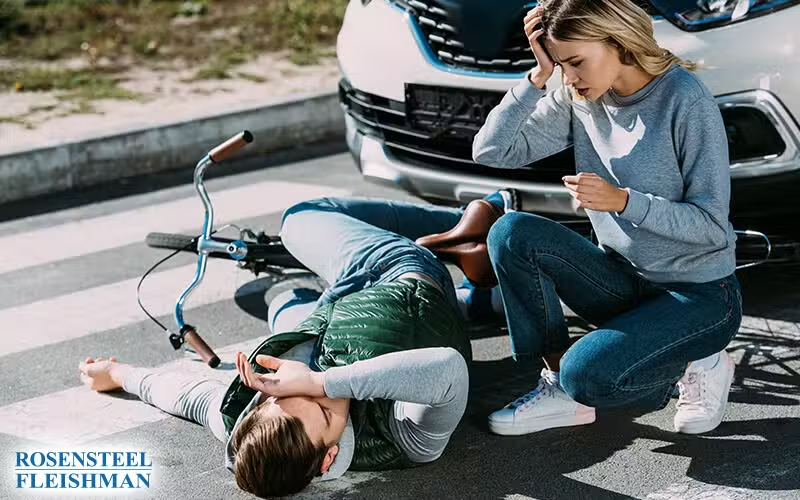

Bicycle and motor-vehicle crashes require immediate attention to safety and factual documentation. A crash label does not decide fault or recovery.
Passing has statutory conditions
North Carolina G.S. 20-150 describes limits on overtaking and passing, including a provision for passing a bicycle or moped that requires at least four feet of space or complete entry into the left lane, subject to the statute’s other conditions.
Preserve the scene record
- Location, lane position, traffic controls, visibility, road surface, and weather
- Vehicles, bicycle, lights, clothing, equipment, photos, video, and witnesses
- The report number, medical records, repair information, and communications
G.S. 20-166.1 addresses notice for reportable crashes. The related North Carolina crash-reporting guide explains the report framework. A Charlotte car-accident claim requires the full record and applicable law.
Sources
Additional Bicycle Accidents Articles
Changing Prescription Costs During a Bicycle Injury Claim
Prescription receipts tell only part of the story. A clear expense record can distinguish new charges, payment adjustments, and older costs reported later.
Updating an Insurance Claim When Bicycle Injuries Change
New records and changing household costs can make an initial bicycle accident claim incomplete. Learn how to organize updates, clarify claim status, and distinguish documented expenses from available coverage.
Costs of Home Access Changes After a Bicycle Injury
Home access expenses need more than receipts. A useful claim file connects each proposed change to a documented household difficulty while keeping cost questions separate from disputed responsibility for the collision.


